

In the evolving landscape of DeFi, where Ethereum's economic security underpins innovation, the EigenLayer DataHaven partnership stands out as a game-changer for verifiable storage restaking. As of February 2026, with ETH trading at $2,238.02, this collaboration deploys DataHaven as an actively validated service (AVS) within EigenLayer's ecosystem, enabling liquid staking token (LST) holders to secure decentralized storage solutions. This isn't mere infrastructure; it's a forward-looking bridge between restaking yields and tamper-proof data availability, addressing Web3's scalability hurdles head-on.
DataHaven leverages EigenLayer's restaking protocol to separate storage from verification, allowing providers to handle data off-chain while operators validate integrity on-chain. This model, secured by restaked ETH, introduces slashing mechanisms that enforce honesty, making storage censorship-resistant and trust-minimized. For savvy investors managing LST portfolios, this means compounded yields from restaking while contributing to a robust data layer essential for L2s and AI applications.
EigenLayer DataHaven: Architecture for LST Data Availability
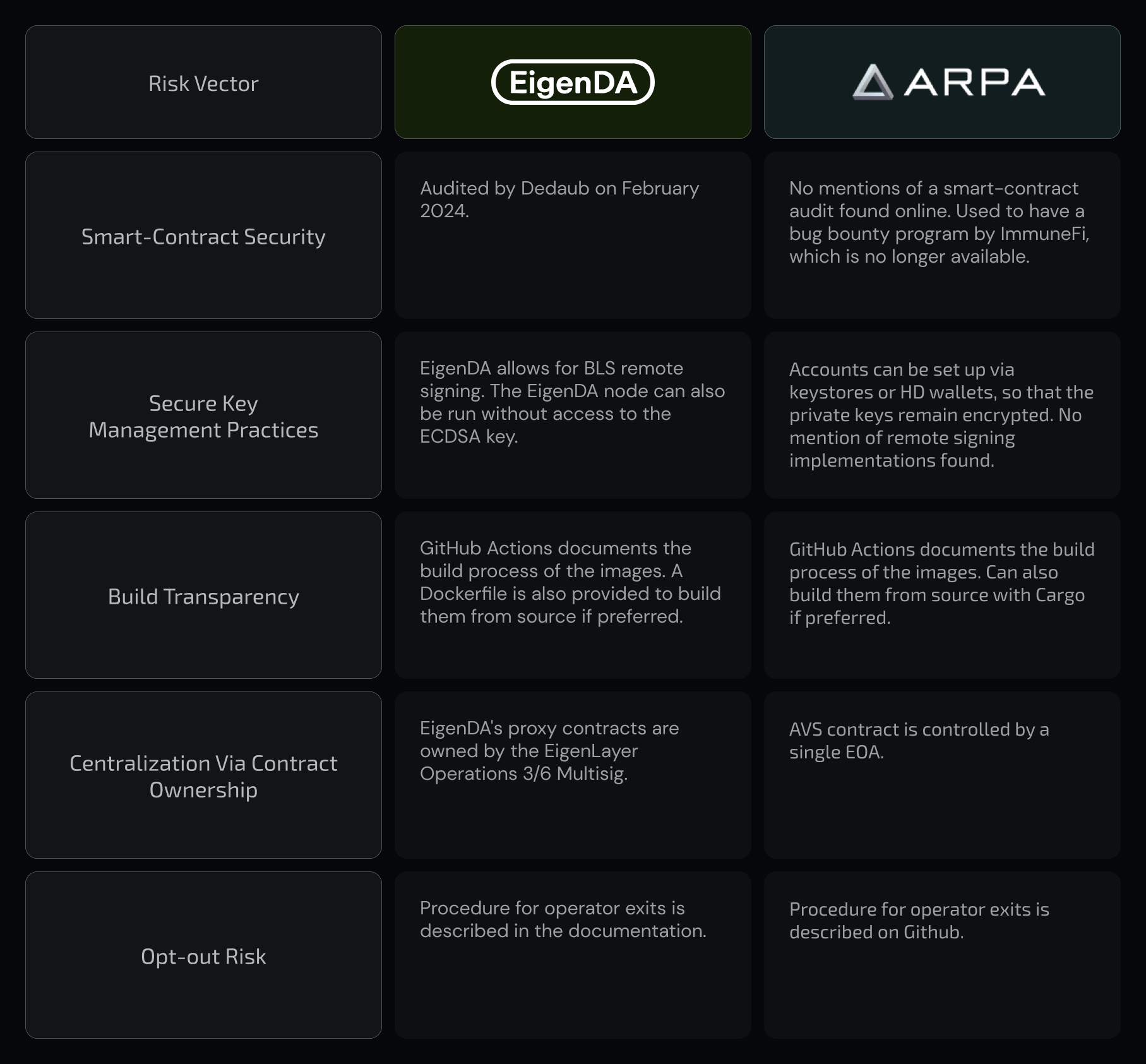
At its core, the EigenLayer DataHaven integration redefines LST data availability by embedding verifiable storage directly into restaking workflows. DataHaven's EVM-compatible Substrate chain, built on StorageHub, features a native bridge to Ethereum, a rarity that minimizes trust assumptions. LST holders can now restake assets like stETH or cbETH to back AVS operators, earning points or yields while bolstering storage security backed by billions in restaked ETH.
Restaking makes storage verifiable, slashable, and censorship-resistant. DataHaven delivers tamper-proof storage at the core.
This setup positions DataHaven as the de facto storage layer for EigenLayer's AVS ecosystem, targeting Ethereum L2 developers who need reliable, decentralized data solutions. Imagine deploying dApps with guaranteed data persistence, free from single points of failure. From my vantage managing hybrid portfolios, this partnership amplifies diversification across LST protocols, turning storage into a yield-bearing asset class.
Restaking AVS Storage: Security Model Breakdown
Diving deeper, DataHaven's security model hinges on EigenLayer's shared security, where restakers opt-in to secure specific AVSs. For restaking AVS storage, operators stake LSTs to vouch for data availability proofs, facing economic penalties for misbehavior. This Ethereum-secured approach, AI-first by design, supports verifiable computations and tamper-proof archives, crucial as Web3 scales toward mass adoption.
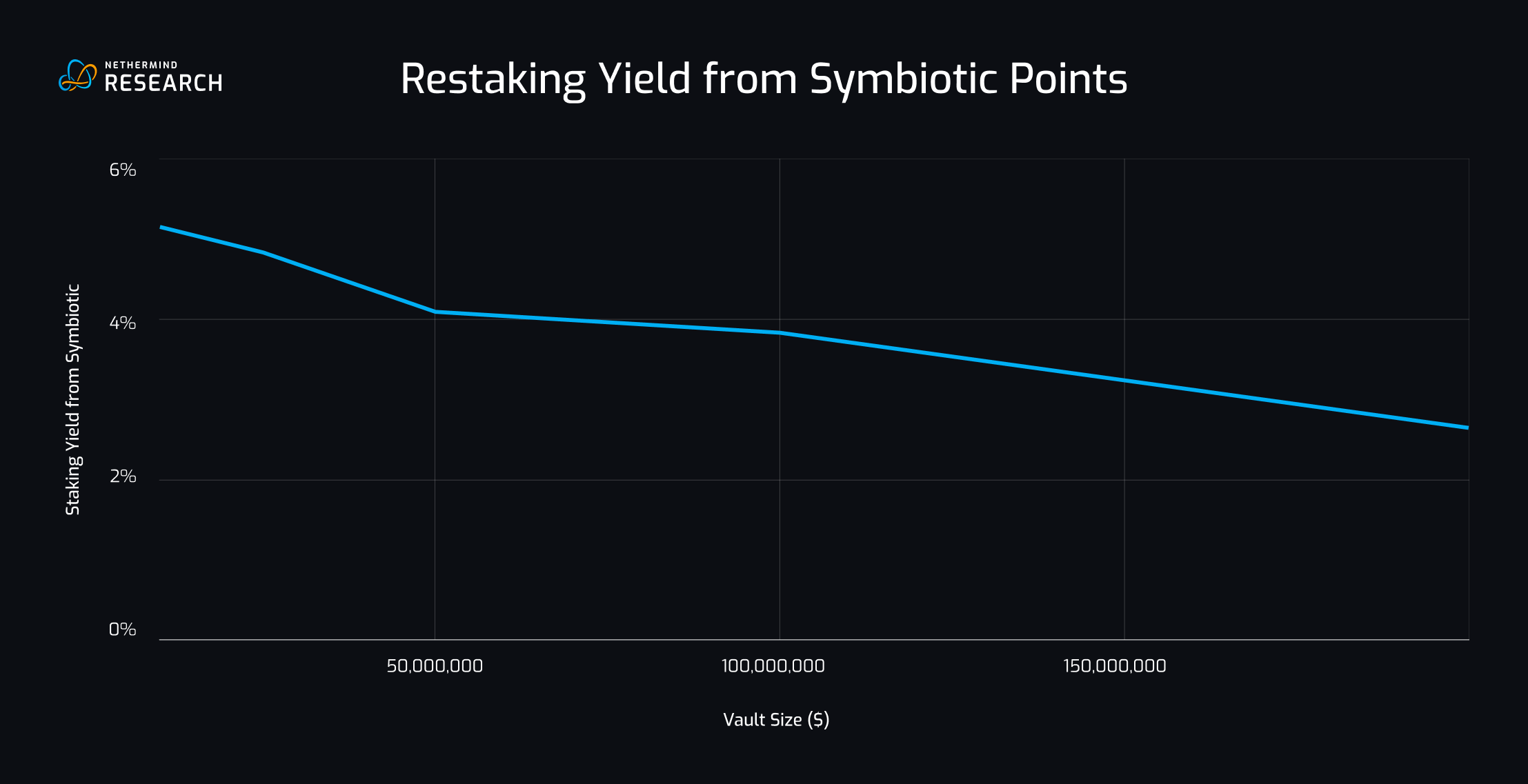
With ETH at a steady $2,238.02 despite a 1.46% dip, restaking TVL continues to climb, signaling institutional confidence. DataHaven's testnet campaigns have already drawn degens and devs, showcasing seamless integration with Moonbeam for L2 storage. Collaboratively, teams are engineering pathways for LST restakers to unlock dual rewards: yield from staking plus fees from storage services.
Ethereum (ETH) Price Prediction 2027-2032: EigenLayer DataHaven Impact
Forecasts based on restaking growth, verifiable storage adoption, and LST security enhancements from the EigenLayer-DataHaven partnership (2026 baseline: $2,238)
| Year | Minimum Price | Average Price | Maximum Price | YoY % Change (Avg) |
|---|---|---|---|---|
| 2027 | $2,000 | $4,000 | $7,000 | +79% |
| 2028 | $3,000 | $6,000 | $12,000 | +50% |
| 2029 | $4,500 | $9,000 | $18,000 | +50% |
| 2030 | $6,000 | $12,000 | $25,000 | +33% |
| 2031 | $8,000 | $16,000 | $35,000 | +33% |
| 2032 | $10,000 | $22,000 | $45,000 | +38% |
Price Prediction Summary
ETH is forecasted to experience strong growth from 2027-2032, driven by EigenLayer's AVS ecosystem expansion via DataHaven's AI-first verifiable storage. Average prices may rise from $4,000 in 2027 to $22,000 by 2032 amid bullish adoption trends, with min/max reflecting bearish corrections and euphoric bull runs.
Key Factors Affecting Ethereum Price
- EigenLayer restaking TVL growth and AVS diversification
- DataHaven's decentralized storage utility for LSTs and AI apps
- Ethereum scalability upgrades (e.g., L2 integration, sharding)
- Institutional LST adoption and DeFi expansion
- Regulatory clarity on restaking and Web3 storage
- Bitcoin halving cycles and macro risk-on sentiment
- Competition from L1/L2 ecosystems and economic downturn risks
Disclaimer: Cryptocurrency price predictions are speculative and based on current market analysis. Actual prices may vary significantly due to market volatility, regulatory changes, and other factors. Always do your own research before making investment decisions.
Yield Optimization Strategies in the EigenLayer DataHaven Era
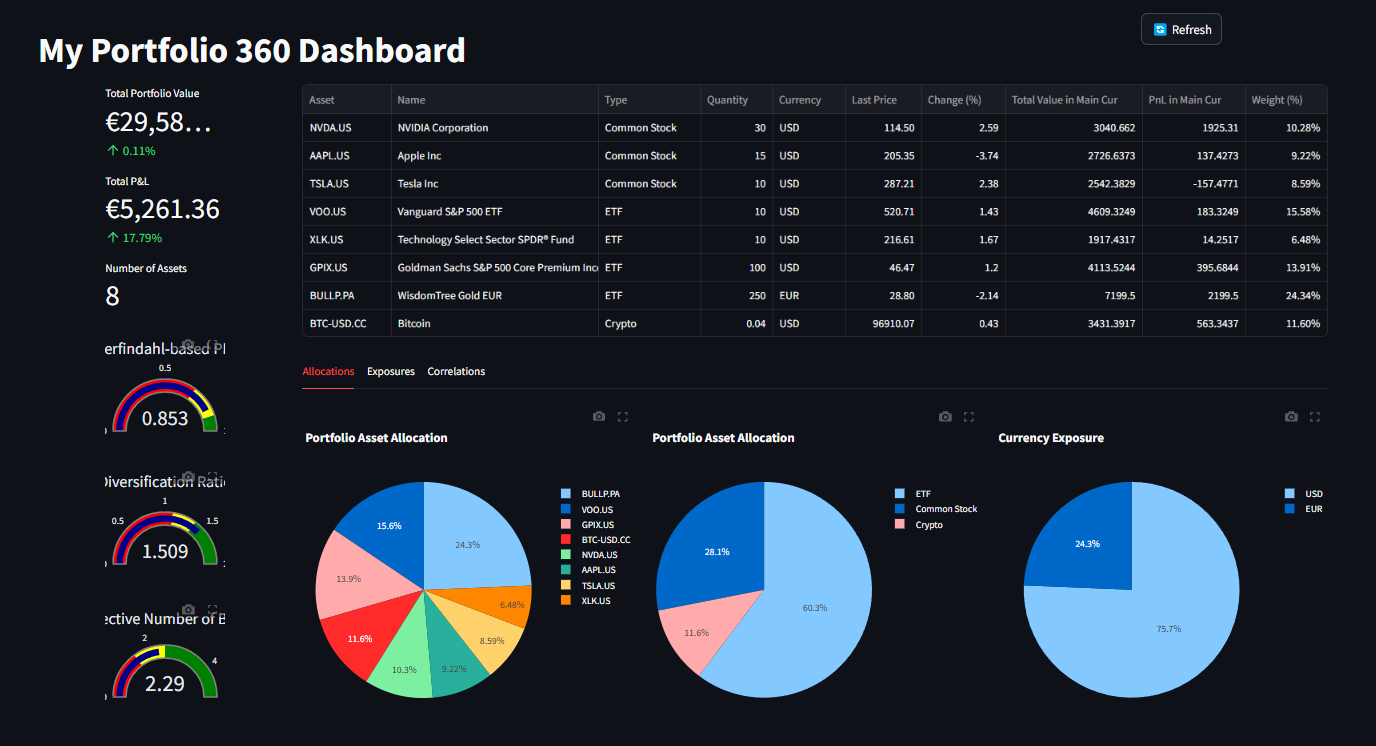
Forward-thinking portfolio managers should view this partnership through a diversification lens. Allocate across LSTs like weETH and rETH to back DataHaven AVS, balancing risk with enhanced liquidity via liquid restaking tokens. The verifiable storage layer mitigates data bottlenecks, enabling complex DeFi primitives that demand high-assurance persistence.
Early movers in the testnet stand to capture airdrop potential, while institutions eye the compounded returns from securing AI-driven storage. As EigenLayer evolves, DataHaven's role in eigenlayer datahaven synergies will likely drive protocol adoption, fostering an ecosystem where restaking fuels not just AVSs, but the backbone of decentralized data economies.
Operators gain from delegation markets, where LST holders delegate restaked positions for storage-specific duties. This collaborative framework, rooted in economic incentives, promises resilience against centralization risks plaguing traditional storage networks.
Delegation markets in EigenLayer open doors for LST holders to fine-tune exposure, selecting AVS operators with proven uptime and slashing resistance. This granular control aligns perfectly with my hybrid portfolio approach, blending traditional risk metrics with on-chain performance data. As ETH holds at $2,238.02 amid market fluctuations, these mechanisms ensure restakers capture upside from verifiable storage restaking without overcommitting to volatile sectors.
Practical Plays: LST Strategies for DataHaven AVS
Let's get tactical. For yield optimizers eyeing eigenlayer datahaven opportunities, start by assessing LST liquidity and AVS delegation yields. Protocols like Ether. fi or Kelp DAO offer entry points where restaked positions directly support DataHaven's storage proofs. Diversify by splitting allocations: 40% to core LSTs for baseline yields, 30% to DataHaven-specific AVS for storage premiums, and 30% in liquid restaking derivatives for flexibility. This setup not only hedges against ETH's 1.46% dip but positions portfolios for the data explosion ahead.
Top LST Restaking Strategies
- Diversify allocations across AVSs like DataHaven and others in EigenLayer to spread risk and capture diverse yields—team up for resilient portfolios in 2026.
- Monitor AVS slashing rates via EigenLayer Explorer dashboards to sidestep penalties and secure your LSTs collaboratively.
- Participate in testnets such as DataHaven's campaign for airdrop rewards and early ecosystem insights—join now to lead the future.

- Track delegation yields with tools like Dune Analytics EigenLayer queries to optimize returns and stay ahead in restaking.
AI-first applications, from decentralized models to verifiable datasets, demand this infrastructure. DataHaven's off-chain storage paired with on-chain verification slashes costs compared to legacy solutions, all while inheriting EigenLayer's multi-billion ETH security. Collaboratively, we're building a storage layer that scales with L2 proliferation, turning data into a restaking powerhouse.
From a managerial perspective, the real edge lies in forward integration. Institutions should pilot DataHaven for archival needs, restaking LSTs to underwrite proofs for compliance-grade storage. Retail degens, meanwhile, chase testnet points, which have historically minted seven-figure airdrops in similar ecosystems. With Moonbeam's seamless L2 hooks, developers prototype dApps that embed LST data availability natively, accelerating adoption cycles.
2026 Outlook: Restaking's Storage Frontier
Looking ahead, as ETH stabilizes around $2,238.02, expect DataHaven to catalyze restaking AVS storage TVL surges. Partnerships like this aren't isolated; they weave restaking into Web3's fabric, where verifiable data underpins everything from DeFi oracles to AI oracles. My advice to teams and investors: collaborate early, diversify broadly, and restake boldly. DataHaven isn't just securing storage; it's unlocking the compounded potential of EigenLayer's vision, empowering us to amplify yields safely in a data-hungry world.
Portfolio managers blending stocks and crypto will find synergies here, mirroring dividend aristocrats with slashing-protected yields. As AVS diversity grows, so does resilience, paving the way for a decentralized economy where storage and security converge seamlessly.




No comments yet. Be the first to share your thoughts!