

As Jito Foundation drops the code for its Solana restaking network, the DeFi world is buzzing with fresh opportunities. Solana's lightning-fast, low-cost ecosystem is now gunning for EigenLayer's throne in restaking derivatives, and yield maximizers like you can't ignore this shift. With JitoSOL leading the pack at over 11 million SOL staked and Solayer hot on its heels, cross-ecosystem restaking is no longer a nice-to-have, it's your edge in stacking layered yields from AVSs, MEV rewards, and points farming.
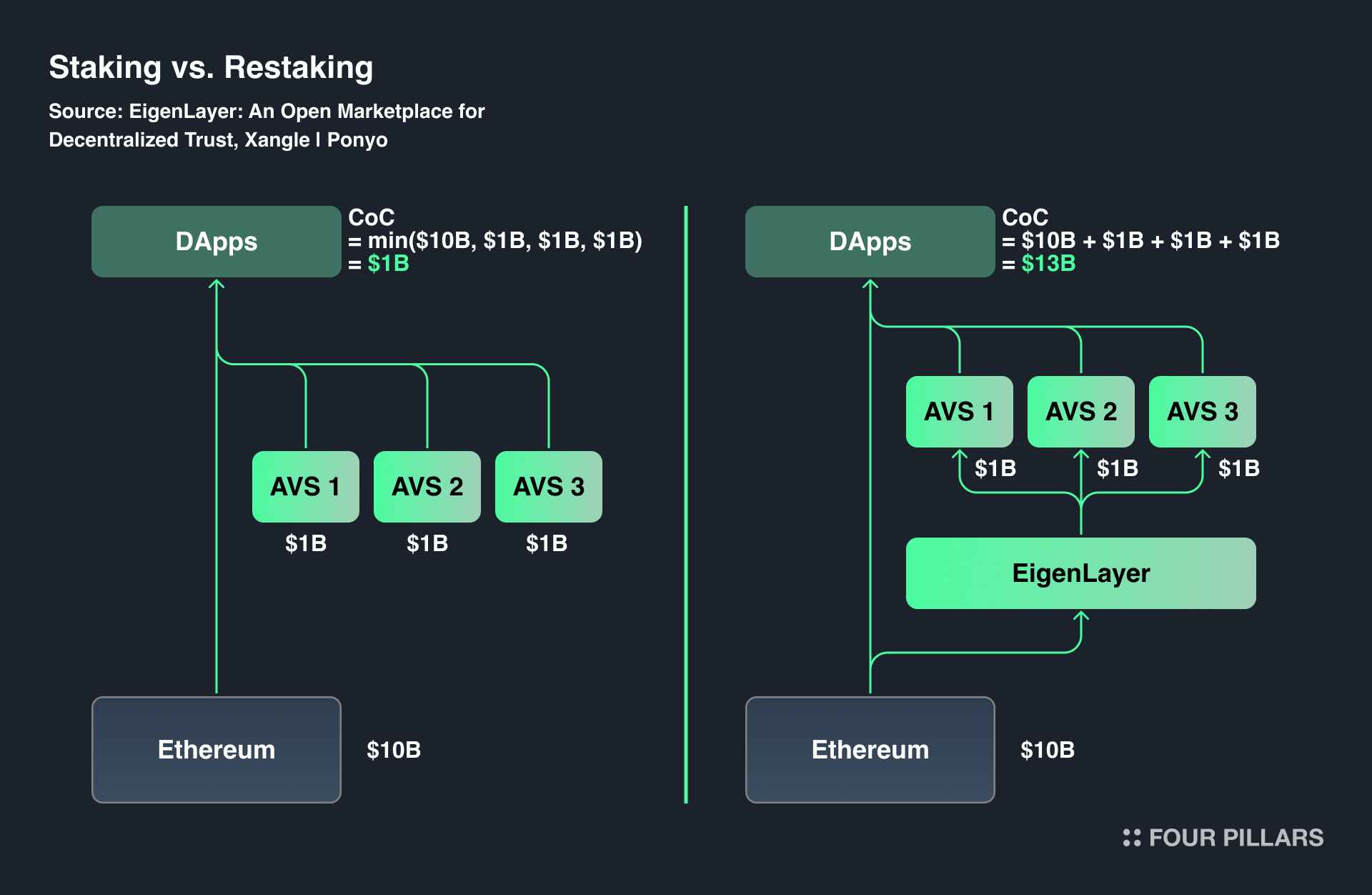
I've been diving deep into these protocols for years, and 2026 trends scream diversification. Liquid restaking tokens (LRTs) like Ether. fi's eETH and Renzo's ezETH keep your capital liquid on Ethereum, while Jito's restaking unlocks extra rewards on staked assets like JitoSOL, mSOL, and bSOL. But the real magic? Bridging these worlds for compounded APYs that outpace single-chain plays.

Why Solana's Restaking Surge Changes Everything for EigenLayer Users
Solana contenders like Jito and Solayer are locked in a tight race, with Jito blending staking yields and MEV boosts. Meanwhile, EigenLayer's ecosystem thrives on LRTs enabling DeFi composability. Cross-ecosystem expansion, think Kernel DAO's multi-chain vaults spanning BNB Chain and beyond, lets you tap unified AVS exposure. AI agents are even automating reallocations for optimal yields, but savvy players craft manual strategies first. Restaking derivatives, leverage wrappers, yield-index tokens, mirror TradFi tools, supercharging DeFi yield optimization.
This convergence means your portfolio can harness Ethereum's security depth with Solana's speed, dodging chain-specific risks. Jito's revival of SolanaFloor post-exploit signals ecosystem resilience, while Puffer and Symbiotic push multi-asset restaking. Forget siloed LST strategies; cross-ecosystem restaking is the 2026 playbook.
Strategy 1: Hybrid EigenLayer-Jito Restaking Portfolio
Kick off with a balanced split: 40% into ezETH on EigenLayer for robust AVS coverage, 60% to JitoSOL on Solana restaking. This nets diversified yields from Ethereum's diverse services and Solana's MEV alpha, targeting a juicy ~12-18% APR combined. Why this allocation? Solana's velocity amplifies JitoSOL's rewards, while ezETH keeps you liquid for DeFi plays. I've seen portfolios like this weather volatility, as Jito's 11 million SOL TVL provides stability.
Pro tip: Monitor Jito's Node Consensus Networks, your JitoSOL secures them alongside base staking, layering rewards without extra lockups. Pair with EigenLayer points for airdrop potential. It's straightforward capital efficiency at its best.
5 Key Restaking Strategies
- Hybrid EigenLayer-Jito Restaking Portfolio: Allocate 40% to ezETH on EigenLayer and 60% to JitoSOL on Solana restaking for diversified AVS and MEV yields (~12-18% APR combined). This balances Ethereum security with Solana's MEV boosts.

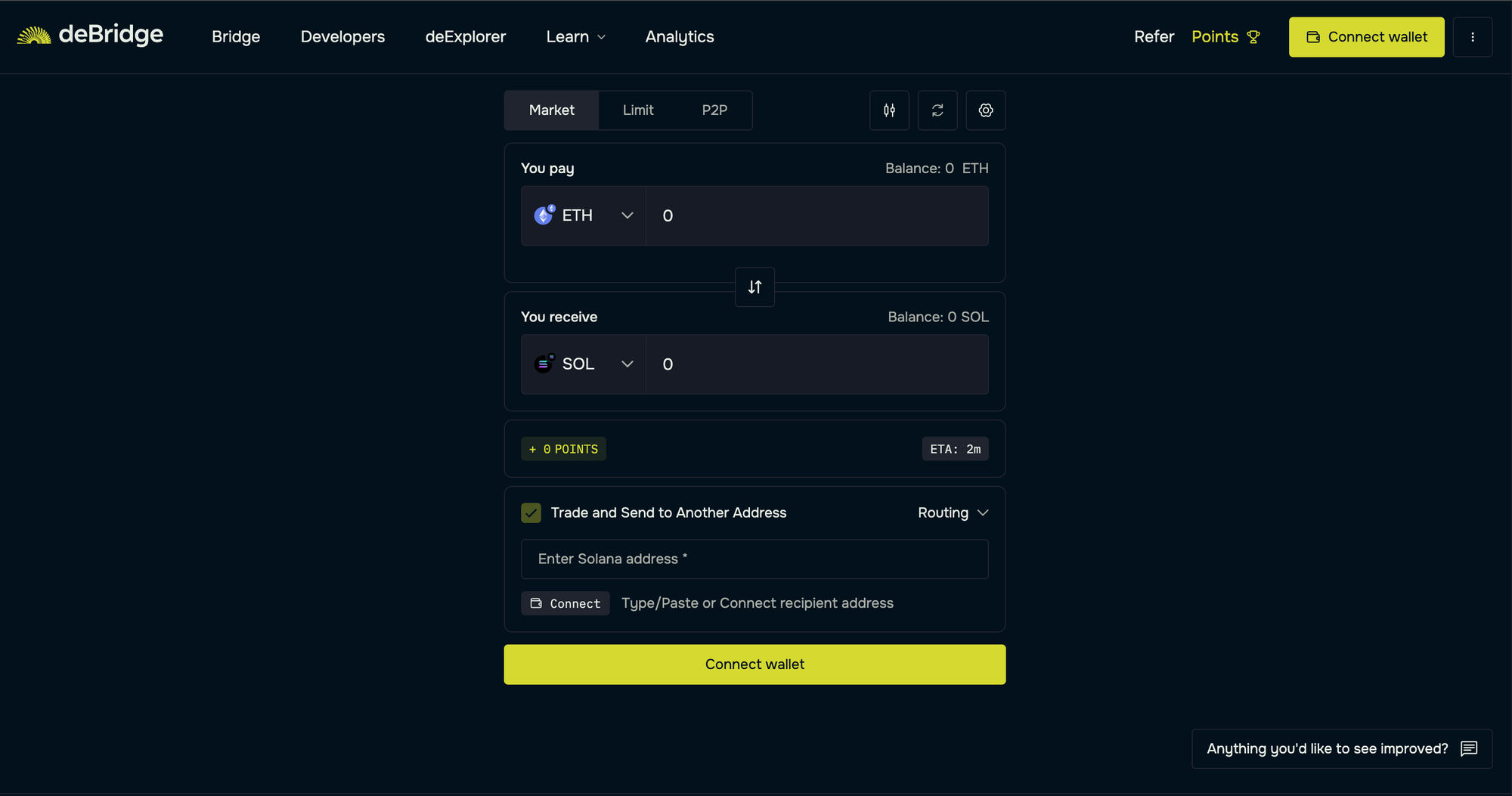
- Cross-Chain Yield Arbitrage: Swap between Solayer sSOL restaking (high Solana speeds) and Ether.fi eETH on EigenLayer using deBridge, capitalizing on 2-5% yield spreads for efficient capital rotation.
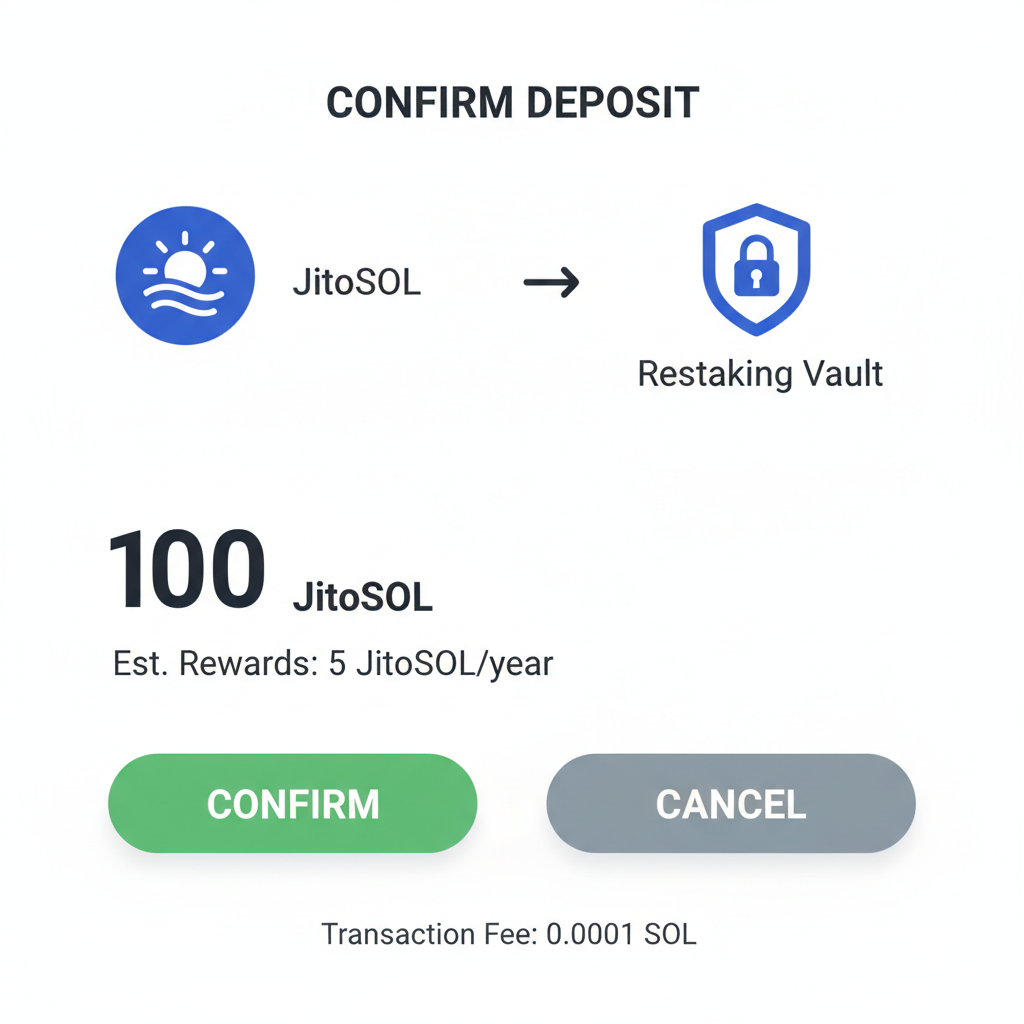
- Multi-Asset Restaking with Symbiotic: Deposit JitoSOL and ETH LSTs into Symbiotic vaults for unified Ethereum-Solana AVS exposure and optimized points farming.

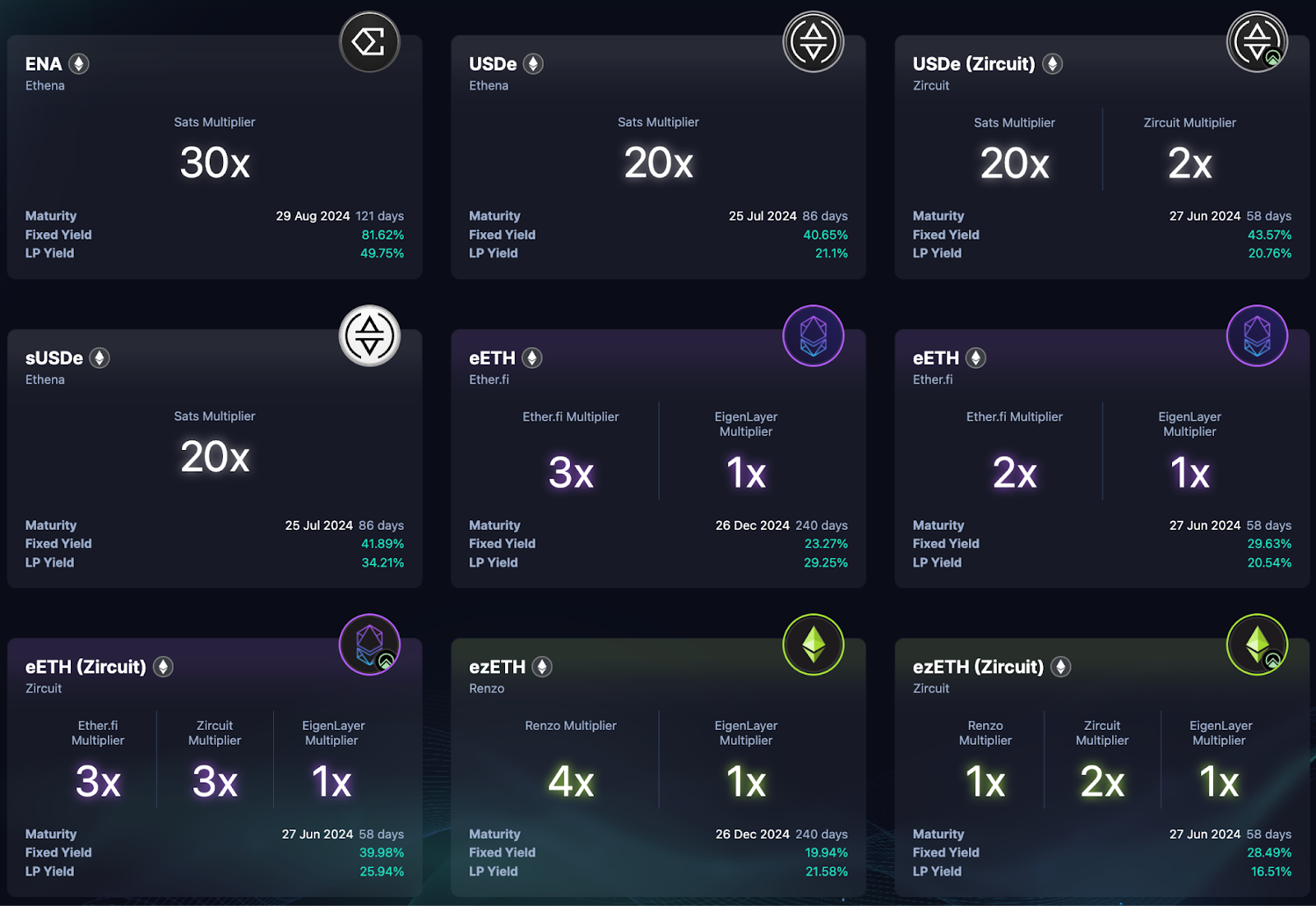
- Pendle Fixed-Yield Locking on Cross LSTs: Lock JitoSOL and weETH on Pendle for 10-15% fixed rates while maintaining restaking liquidity—perfect for predictable yields.
- Karak SOL Restaking Loops: Restake native SOL via Karak with Jito integration, compound EigenLayer points into Solana LSTs for 20%+ looped APY.

Strategy 2: Cross-Chain Yield Arbitrage with deBridge
Next level: Arbitrage yield spreads by swapping Solayer's sSOL, leveraging Solana's high speeds, and Ether. fi's eETH on EigenLayer. Use deBridge for seamless transfers, capturing 2-5% spreads as protocols compete. Solayer's restaking edge shines in volatile markets, where quick redeploys beat Ethereum's gas wars.
In practice, stake SOL into Solayer for sSOL, bridge to EigenLayer for eETH restaking during yield spikes. Reverse when Solana MEV surges. This isn't passive; it's active LST restaking that rewards timing. With Jito and Solayer racing, spreads widen, perfect for yield chasers.
Solayer's integration with Solana's blistering transaction speeds makes it ideal for rapid yield pivots, while eETH's EigenLayer backbone adds AVS depth. Tools like deBridge minimize slippage, turning transient spreads into steady gains. Track protocol dashboards closely; Jito's MEV edge often tips the scales.
Strategy 3: Multi-Asset Restaking with Symbiotic
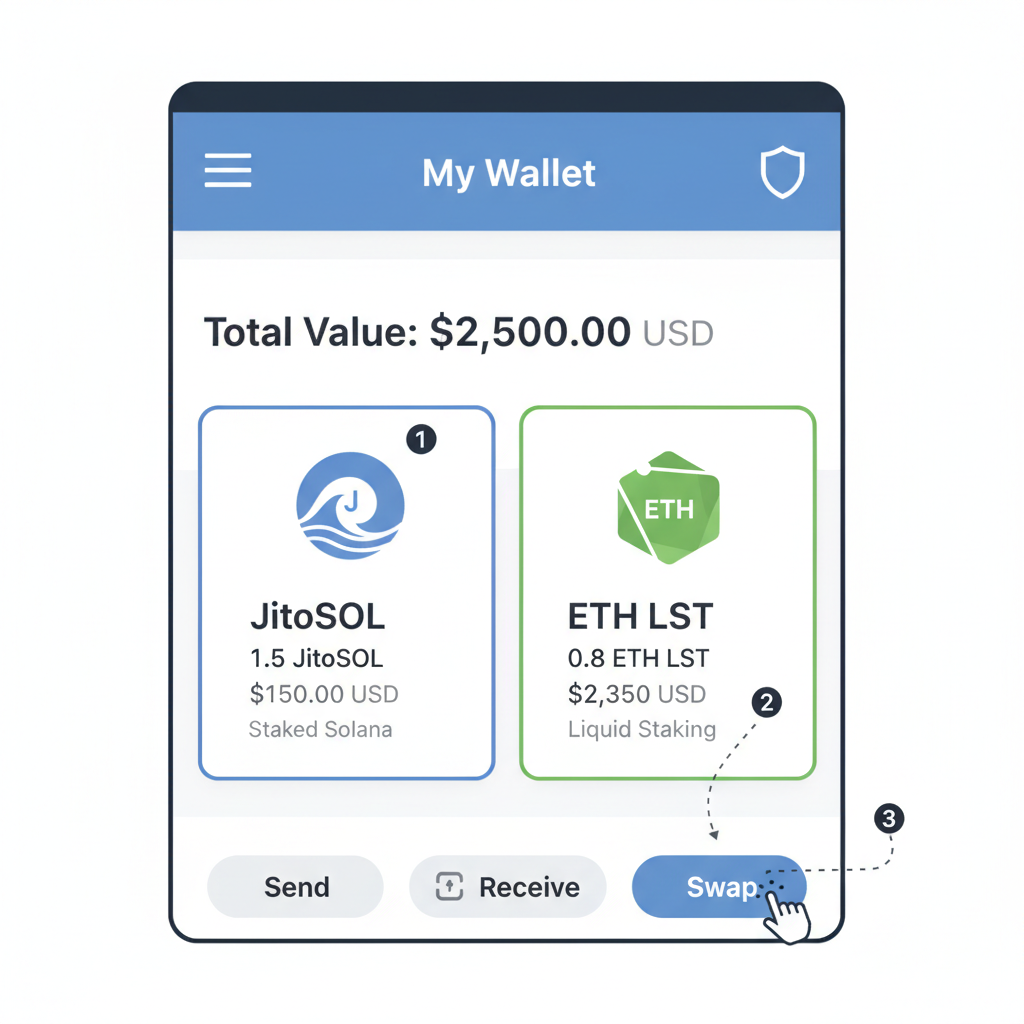
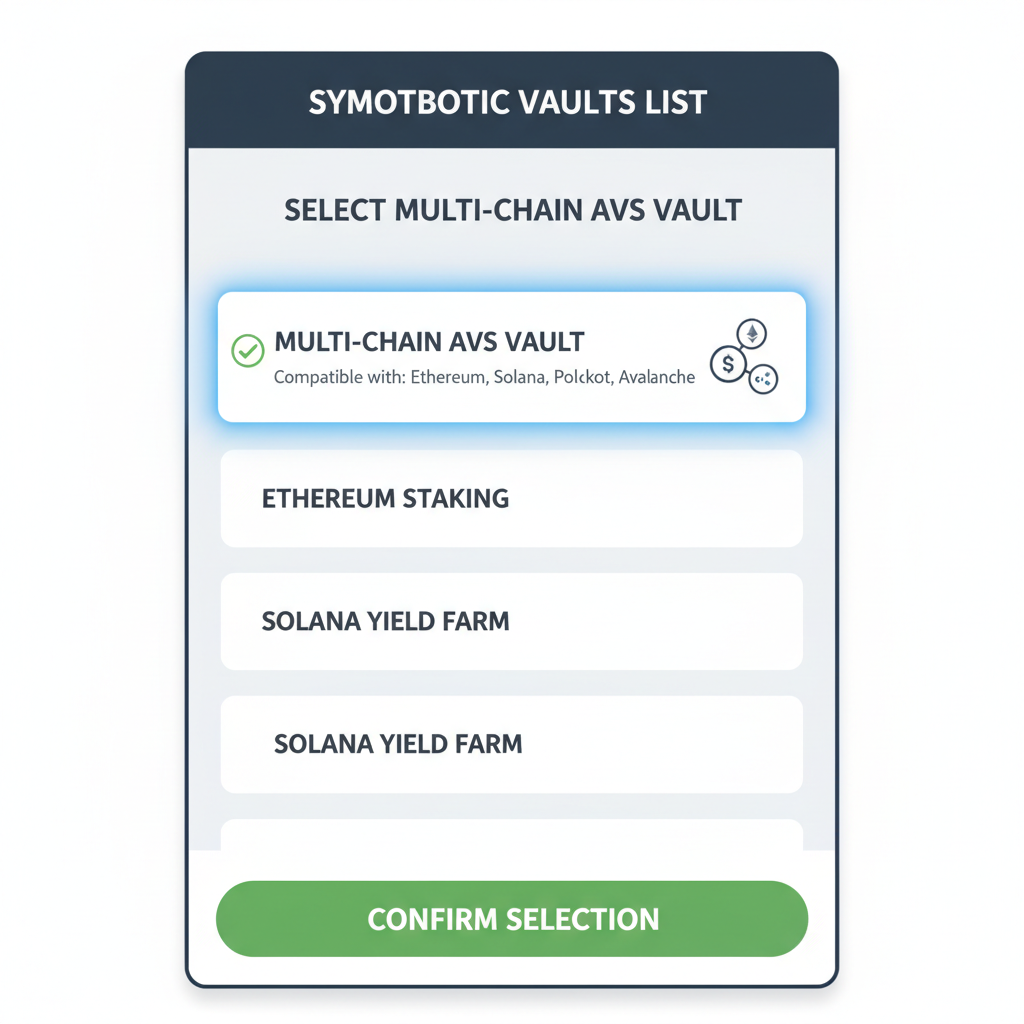
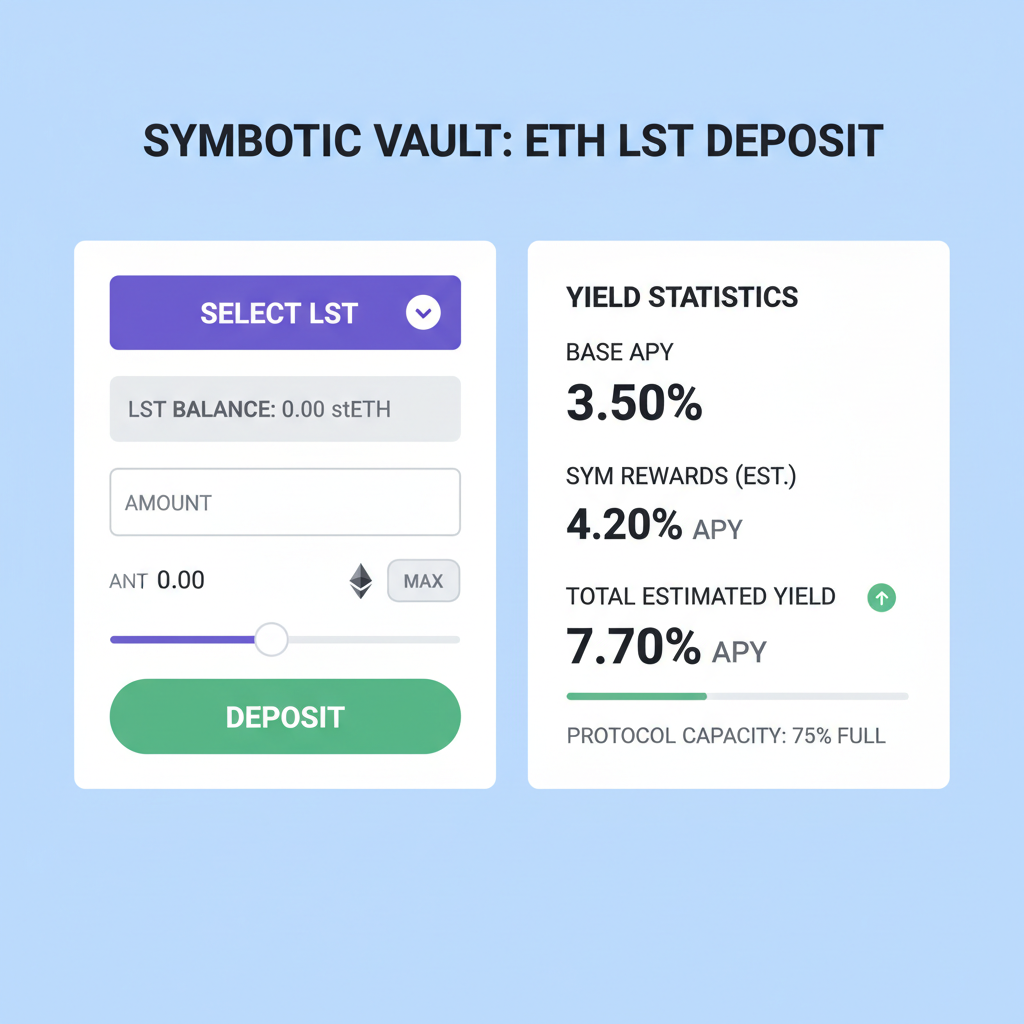
Take diversification further with Symbiotic's vaults, depositing JitoSOL alongside ETH LSTs like ezETH or weETH. This unifies Ethereum-Solana AVS exposure, letting your assets secure networks across chains while farming optimized points. Symbiotic's actor-centric design sidesteps EigenLayer's native limits, blending Solana's MEV rewards with Ethereum's service variety for smoother yield stacking.
Why it works: JitoSOL brings Solana's high-throughput security, ETH LSTs add battle-tested AVSs. Users report 15% and blended APRs, plus airdrop multipliers from cross-protocol points. It's perfect for those wary of single-chain bets, especially as Jito and Solayer push Solana restaking boundaries.
Unlock Multi-Chain Yields: Deposit JitoSOL & ETH LSTs into Symbiotic Vaults


Strategy 4: Pendle Fixed-Yield Locking on Cross LSTs
For predictability amid volatility, lock JitoSOL and weETH on Pendle. This yields fixed 10-15% rates on future yields, while your LSTs stay active in restaking. Pendle's yield-tokenization splits principal and rewards, letting you sell upside or hedge downside without unstaking.
Pair JitoSOL's dynamic MEV with weETH's EigenLayer stability; lock the yield component for locked-in returns, redeploy principal for liquidity. In 2026's choppy markets, this strategy shines, preserving restaking exposure without opportunity cost. I've optimized portfolios this way, capturing Solana surges without full exposure risks.
Strategy 5: Karak SOL Restaking Loops
Go aggressive with Karak's SOL restaking loops, integrating Jito for native SOL deposits. Compound EigenLayer points back into Solana LSTs, chasing 20% and looped APY through iterative restaking. Karak's framework enables permissionless networks, looping rewards from AVSs into JitoSOL for exponential growth.
This suits high-conviction yield maximizers comfortable with leverage-like compounding. Start small: restake SOL via Karak, harvest points, swap to JitoSOL, repeat. Solana's low fees keep gas negligible, unlike Ethereum loops. Watch for overexposure; cap at 20% portfolio to balance risks.
Comparison of 5 Cross-Ecosystem Restaking Strategies
| Strategy | Est. APR | Key Features | Primary Risks | TVL (Key Protocols) |
|---|---|---|---|---|
| Hybrid EigenLayer-Jito Restaking Portfolio | 12-18% | 40% ezETH (EigenLayer) + 60% JitoSOL (Solana) for AVS & MEV yields | Cross-chain bridge risks, moderate slashing correlation | Jito: >11M SOL; Ether.fi: Emerging |
| Cross-Chain Yield Arbitrage | 2-5% spreads | Solayer sSOL ↔ Ether.fi eETH via deBridge | Execution/timing risks, bridge vulnerabilities, impermanent loss | Solayer/Jito: $16.99B+ (combined race) |
| Multi-Asset Restaking with Symbiotic | AVS-dependent (optimized points) | JitoSOL + ETH LSTs in unified Ethereum-Solana vaults | New protocol risks, vault centralization | Symbiotic: Emerging / N/A |
| Pendle Fixed-Yield Locking on Cross LSTs | 10-15% fixed | Lock JitoSOL + weETH for fixed rates + restaking liquidity | Opportunity cost, early unlock penalties | Pendle: N/A (mature DeFi) |
| Karak SOL Restaking Loops | 20%+ looped APY | Native SOL via Karak + Jito integration, EigenLayer points compounding | Amplified liquidation risks, looping complexity | Karak: Emerging / N/A |
Blending these restaking derivatives strategies across EigenLayer and Solana via Jito and Solayer arms you against ecosystem silos. Hybrid portfolios provide stability, arbitrage exploits inefficiencies, Symbiotic unifies, Pendle fixes yields, Karak amplifies. Layer in AI agents for automation once manual mastery clicks.
Jito's SolanaFloor revival and restaking code drop underscore momentum, mirroring EigenLayer's LRT boom with Ether. fi and Renzo. Diversify thoughtfully: 40% conservative hybrids, 30% arbitrage/Symbiotic, 30% Pendle/Karak. Monitor AVS launches, MEV shifts, points calendars. This cross-ecosystem playbook turns restaking into a yield machine, tailored for 2026's multi-chain reality.




No comments yet. Be the first to share your thoughts!