


With Ethereum trading at $2,280.99 after a 1.45% dip over the last 24 hours, savvy DeFi players are eyeing LST restaking strategies to squeeze out compounded yields without the drag of lockups. In 2026, protocols have matured, turning what was once a clunky opt-in into seamless restaking yields no lockups. Liquid Staking Tokens like stETH paved the way, but now ethereum restaking derivatives such as OETH let you dance in and out of positions while AVS rewards stack up. Charts don’t lie, but yields? They evolve faster than a memecoin pump.

LSTs shattered staking’s liquidity curse years ago, handing users derivative tokens to trade, lend, or restake freely. Liquid restaking takes it further: deposit your LST into EigenLayer-compatible vaults, earn native staking plus restaking points, all without vesting cliffs. OETH from Origin Protocol exemplifies this, staying perpetually liquid for spending or swapping. Yet, as Sigma Prime warns, vulnerabilities lurk in EigenLayer integrations, from operator slashing to smart contract hiccups. The play? Diversify operators and monitor audits religiously.
Unlocking Compounded Returns: LSTs Meet EigenLayer Magic
Restaking exploded because it repurposes your staked ETH for Actively Validated Services beyond PoS security. No more idle capital; LSTs like those from Lido or Rocket Pool become restaking fuel. EigenLayer’s operator network delegates your stake to AVSs, netting extra yield atop base staking rewards around 3-4%. But liquidity is king in 2026. Protocols now issue LRTs that mirror LST composability, letting you loop into Aave for borrows or Pendle for fixed rates. Stake once, deploy everywhere, doubling up without lockups.
Once your ETH is staked or you hold an LST, opt-in to EigenLayer smart contracts for boosted yields.
Current meta favors low-complexity entries with high optionality. Risks scale with layers: lending adds liquidation vectors, restaking piles on slashing. Conservative LTVs under 60% keep you safe, as liquidstakers. com outlines in yield stacking guides.

Top 5 LST Restaking Strategies to Optimize Yields in 2026
Diving into the playbook, these five shine for optimize LST yields 2026: OETH EigenLayer Direct Restaking, weETH Ether. fi Liquid Looping, ezETH Renzo Protocol Compounding, rsETH KelpDAO Diversified Operators, and pufETH Puffer Finance Yield Vaults. Each sidesteps lockups, blending liquidity with EigenLayer’s AVS firepower.
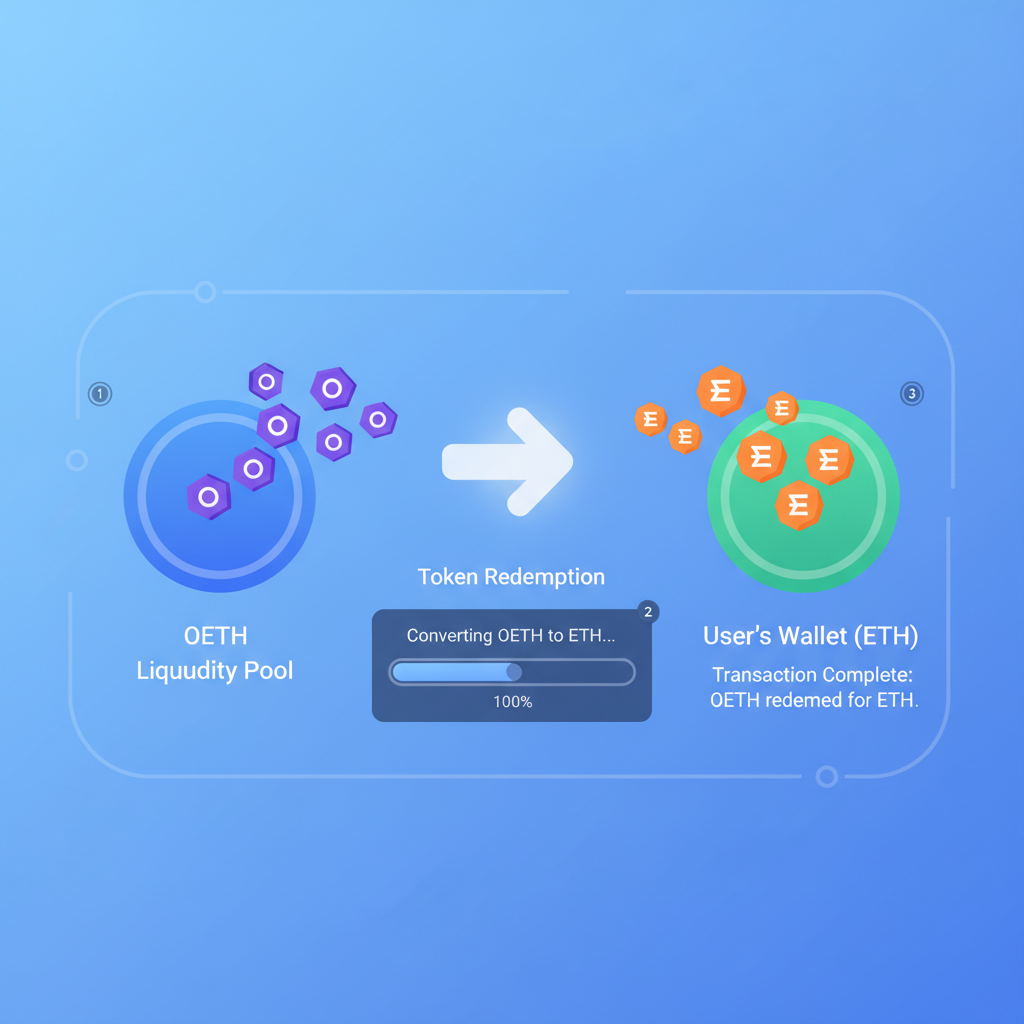
OETH EigenLayer Direct Restaking leads the pack. Origin’s OETH plugs straight into EigenLayer, earning ETH staking, restaking points, and Origin rewards. No lockups mean instant exits via their DEX, perfect for tactical plays. At ETH’s $2,280.99 perch, a $10k position could net 5-7% annualized base, plus AVS upside as adoption surges. Witty caveat: it’s so liquid, you’ll wonder why anyone ever locked up.
weETH Ether. fi Liquid Looping amps capital efficiency. Stake ETH for weETH, restake on EigenLayer, then loop back into Ether. fi for loyalty points. Borrow against it on lending markets, reinvest stables into more weETH. Yields compound to 8-10% with managed risk, but watch LTVs as ETH volatility bites. This strategy’s looping mirrors DeFi’s golden era, sans the overleverage horror stories.
Ethereum (ETH) Price Prediction 2027-2032
Annual forecasts amid restaking yield boom with LST strategies without lockups (Baseline: $2,281 in early 2026)
| Year | Minimum Price | Average Price | Maximum Price | YoY % Change (Avg) |
|---|---|---|---|---|
| 2027 | $3,000 | $5,000 | $8,000 | +119% |
| 2028 | $4,000 | $7,000 | $12,000 | +40% |
| 2029 | $5,500 | $10,000 | $16,000 | +43% |
| 2030 | $7,000 | $14,000 | $22,000 | +40% |
| 2031 | $9,000 | $20,000 | $30,000 | +43% |
| 2032 | $12,000 | $28,000 | $45,000 | +40% |
Price Prediction Summary
ETH prices are forecasted to surge significantly from 2027-2032, driven by the restaking revolution via EigenLayer and LSTs like stETH, rETH, and OETH. Average prices could climb from $5,000 to $28,000, reflecting bullish adoption in DeFi yield optimization, though min/max account for bearish corrections and risks like slashing.
Key Factors Affecting Ethereum Price
- Restaking yield boom via EigenLayer and liquid restaking tokens (LRTs) boosting ETH demand and utility
- Widespread LST adoption (stETH, rETH, OETH) enabling liquidity without lockups for yield stacking
- DeFi integrations like Aave lending for amplified returns with managed LTV ratios
- Ethereum network upgrades and scalability improvements enhancing long-term value
- Market cycles post-2026 bull run with institutional inflows amid regulatory clarity
- Potential risks from protocol vulnerabilities and slashing mitigated by diversification
- Competition from other L1s but ETH dominance in restaking ecosystem
Disclaimer: Cryptocurrency price predictions are speculative and based on current market analysis.
Actual prices may vary significantly due to market volatility, regulatory changes, and other factors.
Always do your own research before making investment decisions.
ezETH and rsETH: Compounding and Diversification Without Friction
Renzo’s ezETH Renzo Protocol Compounding automates yield harvesting, reinvesting restaking rewards into more ezETH for flywheel effects. EigenLayer native, it pulls 6-9% blended yields, fully liquid for DeFi composability. Pair it with rsETH KelpDAO Diversified Operators, spreading risk across top node runners. Kelp’s vault delegates to battle-tested operators, mitigating single-point failures flagged in recent audits. Both keep you agile at ETH $2,280.99, dodging the illiquidity traps plaguing older setups.
Puffer Finance’s pufETH Puffer Finance Yield Vaults rounds out the top tier with automated vault management. Deposit ETH or LSTs into pufETH vaults, which handle EigenLayer restaking across optimized operators and auto-compound rewards. Yields hover at 7-11% blended, liquidity intact via seamless redemptions. In a market where ETH sits at $2,280.99, pufETH’s vaults shine for set-it-and-forget-it players chasing ethereum restaking derivatives without babysitting positions. Diversification baked in, slashing risks diluted across the board.
Yield at a Glance: Top 5 LST Restaking Strategies (No Lockups)
| Strategy | Est. Yield | Liquidity Score | Risk Level | Key Feature | Projected APY at ETH $2,280.99 |
|---|---|---|---|---|---|
| OETH | 4-5% 📈 | 10/10 ⭐⭐⭐⭐⭐⭐⭐⭐⭐⭐ | Low 🟢 | 💧 Direct simplicity | 4.8% |
| weETH | 5-7% 📈 | 8/10 ⭐⭐⭐⭐⭐⭐⭐⭐ | Med 🟡 | 🔄 Aggressive looping | 6.2% |
| ezETH | 4.5-6.5% 📈 | 9/10 ⭐⭐⭐⭐⭐⭐⭐⭐⭐ | Low 🟢 | ⚙️ Compounding | 5.9% |
| rsETH | 5-8% 📈 | 7/10 ⭐⭐⭐⭐⭐⭐⭐ | Med 🟡 | 🌐 Diversification | 6.8% |
| pufETH | 6-9% 📈 | 6/10 ⭐⭐⭐⭐⭐⭐ | High 🔴 | 🏦 Vaults | 7.5% 🔥 |
Blending LSTs with lending amps returns further. Loop weETH into Aave at conservative LTVs, borrow USDC, swap for more LSTs. Protocols like Ether. fi reward loyalty points convertible to tokens, juicing total yields past 10%. Yet, as EigenLayer scales AVSs, operator performance dictates alpha. Charts show rsETH outperforming during volatility spikes, thanks to KelpDAO’s operator spread.
Native restaking optionality challenges single-LST dominance, pushing diversified plays like rsETH and pufETH.
Risks? Slashing from poor operators tops the list, per Sigma Prime audits. Smart contract exploits, though rare post-2026 upgrades, demand audited protocols. ETH at $2,280.99 amplifies liquidation math; maintain buffers. Diversify across these five, allocate 20% each, rebalance quarterly. Yield stacking guides stress this for sustainable edges.
Implementation Blueprint: Zero Lockups, Max Yields
Execution separates winners from sidelined capital. Start conservative, scale with conviction.
Deploy $10K: OETH EigenLayer Direct Restaking Mastery


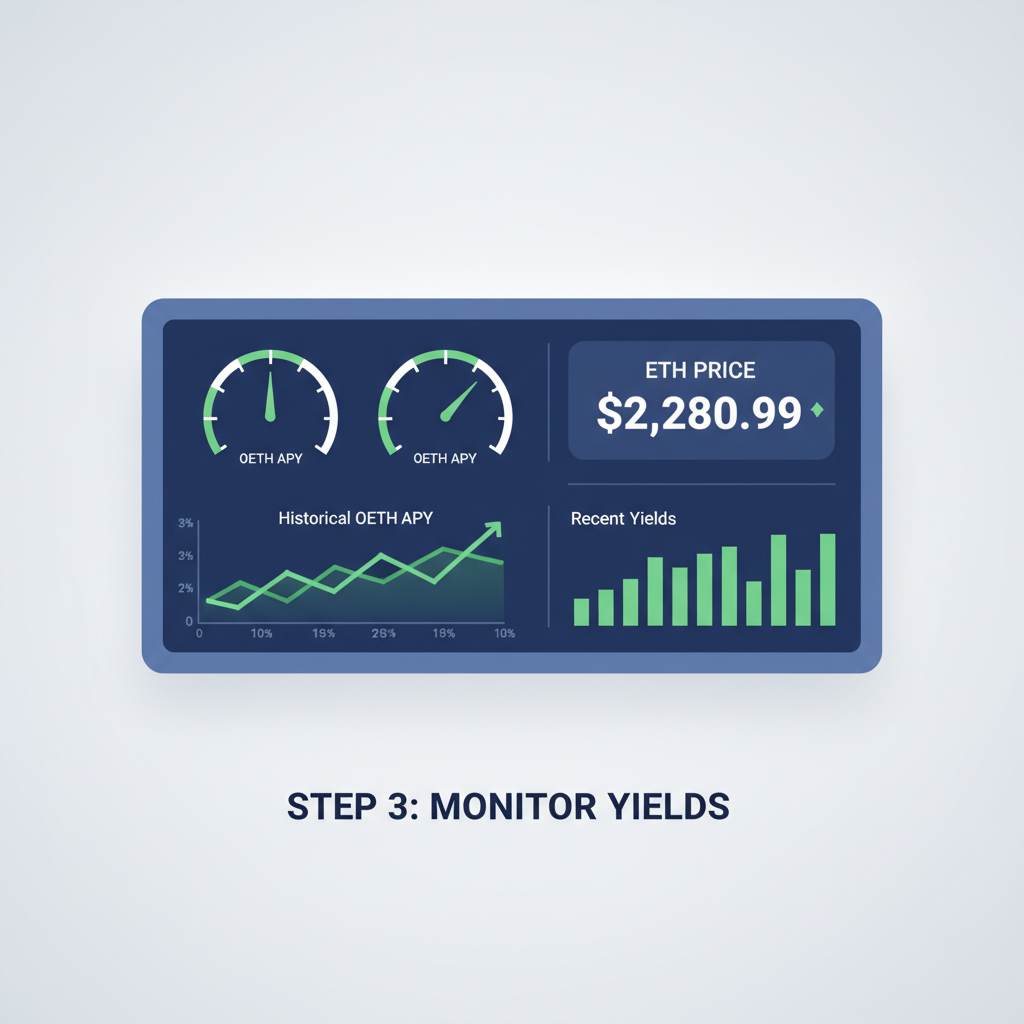
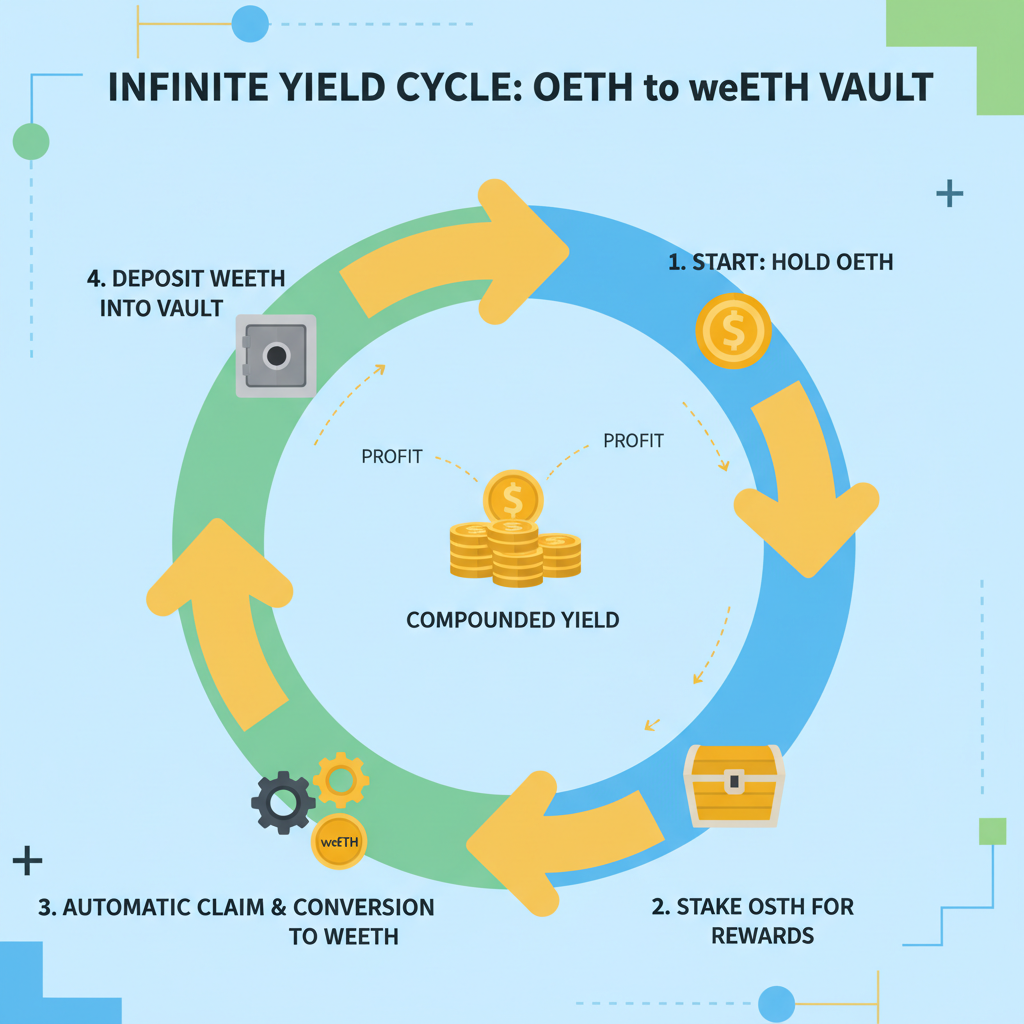
weETH loopers: Stake ETH for weETH, restake, borrow stables, rebuy. ezETH auto-compounds hassle-free. rsETH and pufETH vault away diversification. In 2026’s DeFi arena, these LST restaking strategies turn ETH’s $2,280.99 base into a yield machine. Volatility tests mettle, but liquidity lets you pivot fast. Charts hint at AVS expansion driving 15% and composites soon; position now, harvest later. Restaking yields evolve, but these plays endure.
About the Author