


In the fast-paced world of Solana DeFi, where speed meets scalability, Fragmetric Solana liquid restaking emerges as a game-changer for investors chasing compounded yields without sacrificing liquidity. As Binance-Peg SOL trades at $80.38 today, down 1.94% over the last 24 hours with a high of $82.79 and low of $78.26, protocols like Fragmetric offer a timely opportunity to stake assets, earn fragmetric yields, and redeploy capital seamlessly. This native liquid restaking protocol, Solana’s pioneer in the space, lets users deposit SOL or liquid staking tokens (LSTs) like JitoSOL, mSOL, BNSOL, or bbSOL to mint fragSOL, their gateway to multi-layered rewards.

Fragmetric stands out by blending Solana’s high-throughput architecture with restaking mechanics inspired by Ethereum’s EigenLayer, but optimized for Solana’s unique ecosystem. Users restake their assets to secure additional networks, earning base staking yields plus MEV rewards from Jito integration and points from emerging AVS-like services on Solana. The result? A liquid restaking token, fragSOL, that accrues value automatically while remaining composable in DeFi apps. At a TVL hovering around $42 million, it’s no wonder Fragmetric leads Solana restaking derivatives, drawing savvy yield optimizers who prioritize capital efficiency.
fragSOL: The Liquid Backbone of Solana Restaking
At its core, fragSOL represents deposited assets plus accrued rewards, making it a true liquid restaking Solana 2026 powerhouse. Deposit SOL, and you get fragSOL at a 1: 1 ratio initially, which appreciates over time through auto-compounding. This token can then fuel lending on Marginfi, provide liquidity on Raydium, or even loop back into further restaking strategies. Unlike rigid staking, where capital locks up for epochs, fragSOL keeps your portfolio fluid, mitigating Solana’s infamous network hiccups that have plagued competitors.
Consider the yield stack: Solana base staking hovers at 6-7% APY, Jito MEV adds 2-4%, and Fragmetric’s restaking layer taps into Solana DATs (Decentralized Asset Tokens) for extra streams. Co-founder Sang Kim highlights how this setup could ignite Solana’s DeFi summer, generating sustainable yields amid broader restaking adoption. Yet, balance is key; while yields tempt, smart investors watch for dilution risks or slashing events, though Fragmetric’s modular design minimizes these through diversified restaking pools.

From Jito Roots to FRAG-22 Innovation
Fragmetric launched as Solana’s inaugural native liquid restaking protocol, bootstrapping on Jito’s MEV infrastructure to solve early pain points like fragmented liquidity and low restaking uptake. What began as a JitoSOL wrapper evolved into the FRAG-22 asset management standard, a framework supporting composable restaking across multiple LSTs. This upgrade enables modular deployment, where users pick yield vectors – from conservative SOL staking to aggressive DAT exposure – all under one fragSOL umbrella.
By June 2025, Fragmetric unveiled the FRAG governance token: 1 billion fixed supply, 202 million initial circulation, allocated to contributors, investors, and community incentives. This shift empowers holders to steer protocol upgrades, fee structures, and restaking partner integrations, fostering long-term alignment. In a market where SOL sits at $80.38, FRAG positions Fragmetric for explosive growth, especially as Solana’s ecosystem matures with L2 integrations and cross-chain bridges.
The protocol’s edge lies in Solana-native efficiency. Transactions settle in milliseconds, fees stay under pennies, outpacing Ethereum restaking’s gas wars. Reddit communities buzz about fragSOL’s DeFi composability, contrasting EigenLayer’s stalled AVS rollout. For yield optimizers, this means stacking solana liquid restaking without the friction, turning idle SOL into a yield machine while SOL navigates its current dip from $82.79 highs.
Navigating Risks and Rewards in Fragmetric Yields
Diving deeper, fragmetric yields aren’t just hype; they’re quantifiable edges in a competitive field. Base SOL staking delivers reliable returns, Jito’s tip stream captures validator alpha, and restaking protocols like those tied to Fragmetric’s pools offer 10-20% boosts in bull markets. But opinionated take: Solana’s centralization whispers demand caution. Fragmetric counters with diversified LST support, spreading risk across mSOL’s Marinade decentralization or bbSOL’s Blast vibes.
Portfolio builders blend fragSOL with stable strategies – 60% restaked, 40% in perps – achieving 15% and APY at minimal impermanent loss. As SOL holds $80.38 amid volatility, this liquidity premium shines, letting users exit positions swiftly during corrections. Forward-looking, DATs could supercharge adoption, per Sang Kim, positioning Fragmetric as Solana’s restaking kingpin through 2026.
Solana (SOL) Price Prediction 2027-2032
Forecast amid Fragmetric liquid restaking growth and Solana DeFi expansion (baseline: $80.38 in early 2026)
| Year | Minimum Price | Average Price | Maximum Price | YoY % Change (Avg from prior year) |
|---|---|---|---|---|
| 2027 | $100 | $200 | $400 | +150% |
| 2028 | $150 | $300 | $600 | +50% |
| 2029 | $200 | $450 | $900 | +50% |
| 2030 | $300 | $650 | $1,300 | +44% |
| 2031 | $400 | $850 | $1,700 | +31% |
| 2032 | $550 | $1,100 | $2,200 | +29% |
Price Prediction Summary
Solana (SOL) is forecasted to experience strong growth from 2027-2032, driven by liquid restaking protocols like Fragmetric, which enhance yields and liquidity. Average prices are projected to rise progressively from $200 to $1,100, reflecting DeFi adoption, market cycles, and tech advancements, with min/max capturing bearish/bullish scenarios.
Key Factors Affecting Solana Price
- Adoption of Fragmetric and restaking protocols boosting Solana TVL and yields
- Solana’s high throughput, low fees, and ecosystem expansions
- Crypto market cycles post-Bitcoin halvings
- Regulatory clarity and institutional inflows (e.g., ETFs)
- Technological upgrades reducing outages and enhancing scalability
- Competition from Ethereum L2s, macroeconomics, and global adoption trends
Disclaimer: Cryptocurrency price predictions are speculative and based on current market analysis.
Actual prices may vary significantly due to market volatility, regulatory changes, and other factors.
Always do your own research before making investment decisions.
Smart restakers hedge against Solana’s occasional outages by allocating across LSTs, ensuring fragSOL captures yields even if one validator lags. This solana restaking derivatives approach mirrors institutional playbooks, blending high-reward restaking with prudent diversification. With SOL steady at $80.38 after dipping from $82.79, the protocol’s resilience underscores its appeal for 2026 portfolios.
Getting Started: Restake on Fragmetric in Minutes
Entering fragmetric solana liquid restaking requires minimal friction, thanks to Solana’s wallet ecosystem. Connect Phantom or Backpack, approve your LST deposit, and mint fragSOL instantly. No epochs to wait, no penalties for early exits. This seamlessness draws yield chasers weary of Ethereum’s delays, positioning Fragmetric as the efficient choice amid SOL’s $80.38 consolidation.
Unlock fragSOL Yields: Deposit SOL or LSTs into Fragmetric
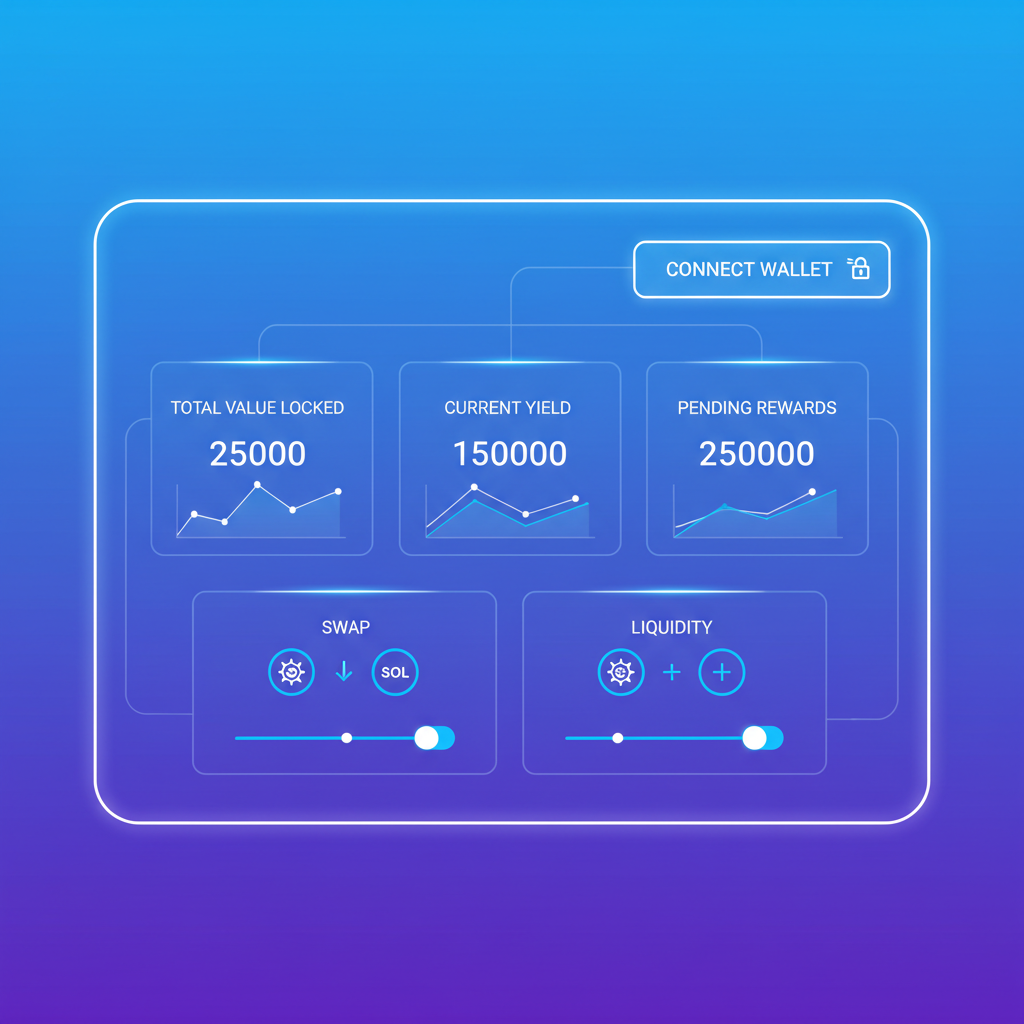
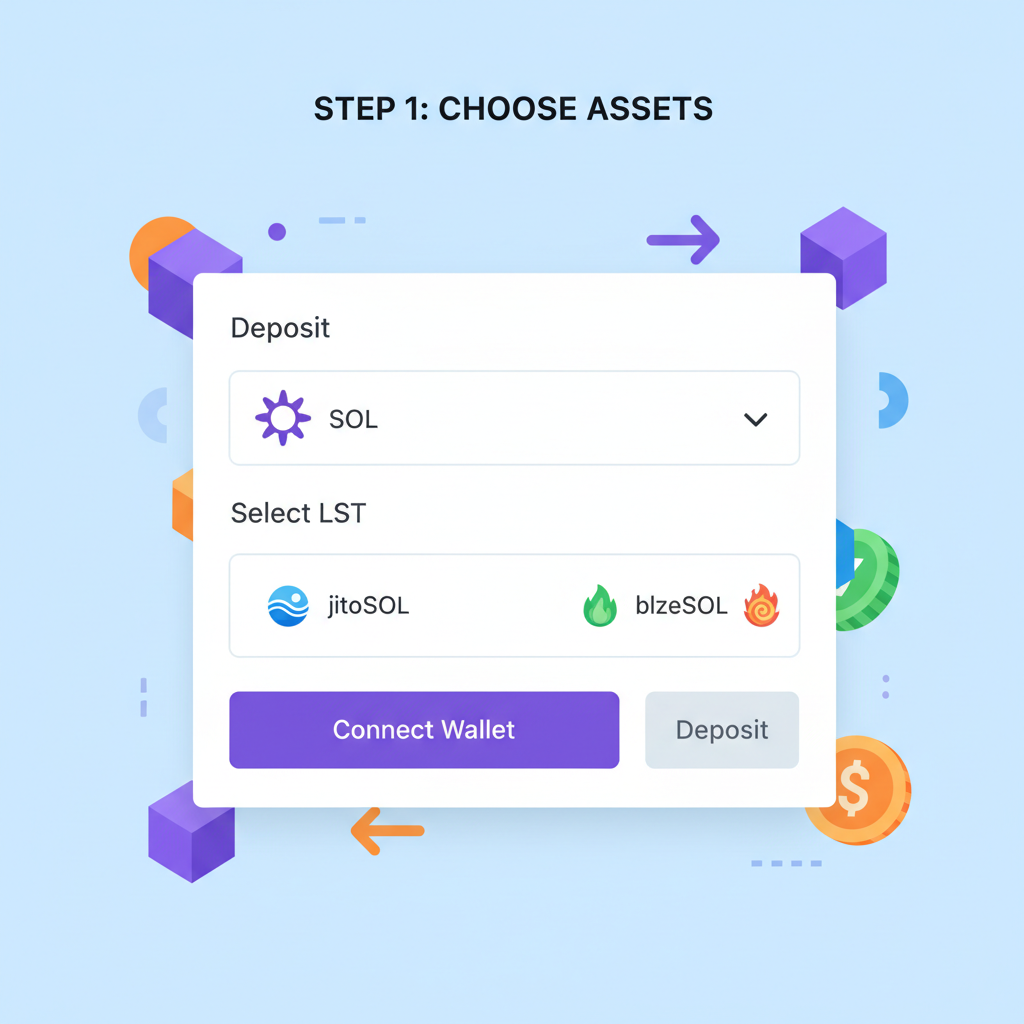
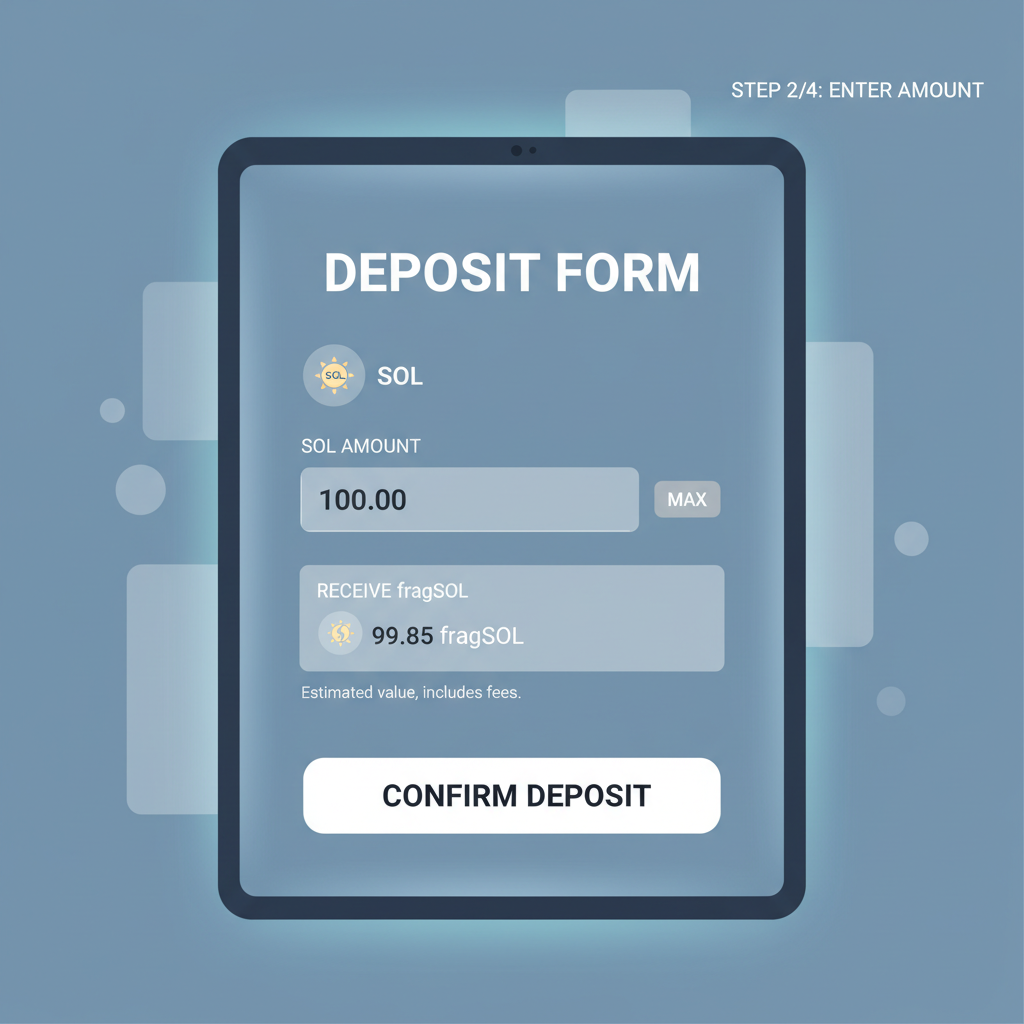
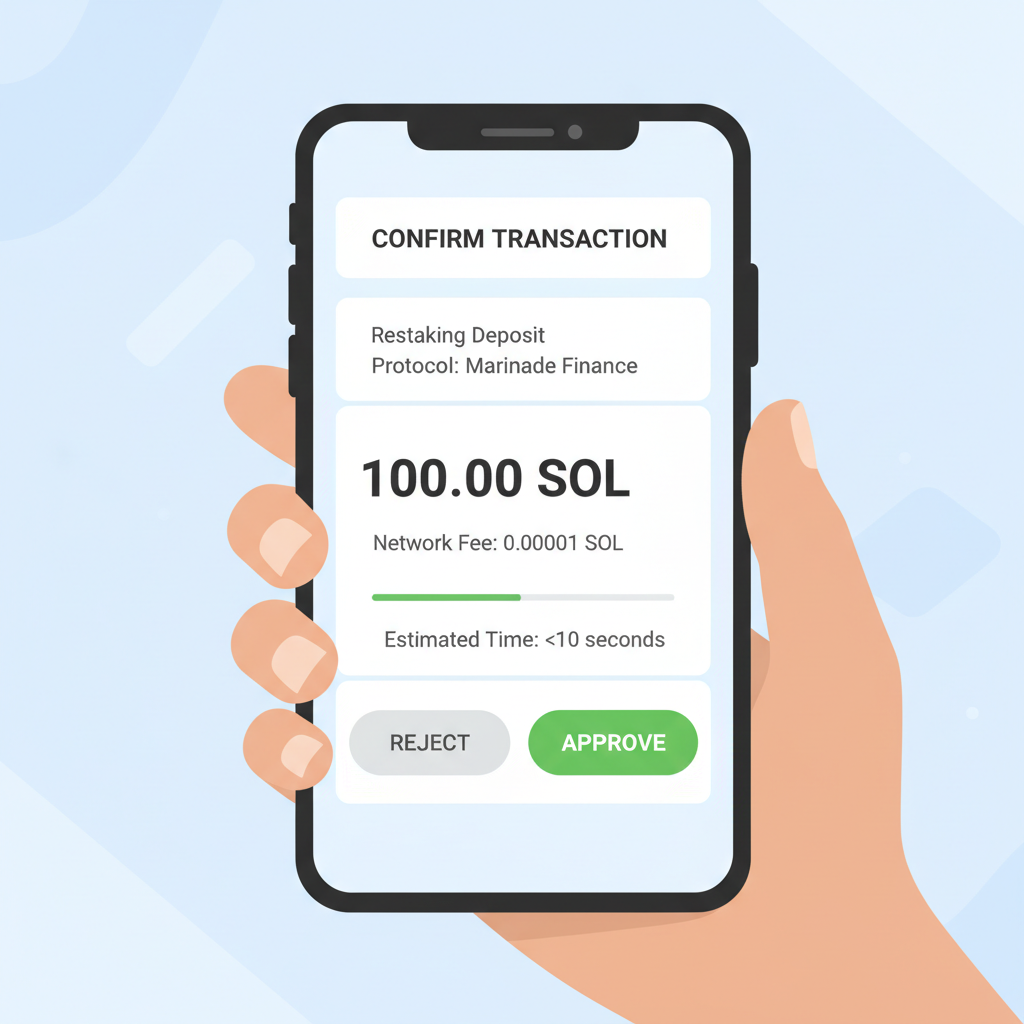
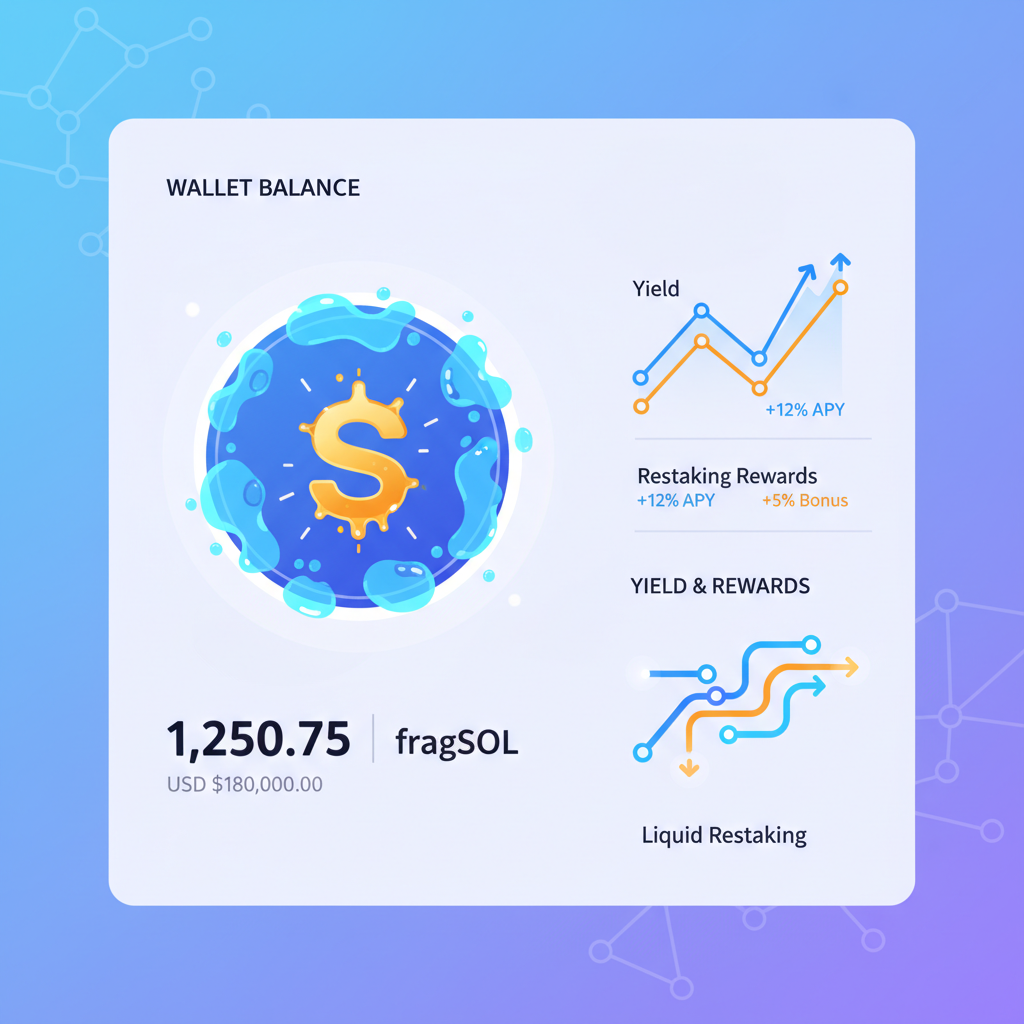
Once holding fragSOL, deployment options explode. Pair it on Orca for concentrated liquidity positions, collateralize on Kamino for leveraged farms, or hold for pure accrual. Yields compound daily, reflecting real-time MEV and restaking rewards, outpacing static LSTs. My take: for balanced portfolios, allocate 30% to fragSOL – it captures Solana’s upside without full exposure to network risks.

Yield Breakdown: Stacking Rewards with fragSOL
Let’s parse the fragmetric yields stack objectively. SOL staking baseline: 6.5% APY at current validator rates. Jito integration layers on 3% MEV tips, proven during Solana’s memecoin frenzy. Restaking via Fragmetric’s pools adds 5-15% from DATs and early AVS equivalents, varying by pool selection. Total? Conservative estimates hit 15-25% APY, net of fees under 5%.
Compare to pure LSTs: JitoSOL alone yields 9-10%, but fragSOL supercharges it with liquidity intact. In downturns, like SOL’s recent slide to $78.26 lows, fragSOL holders redeploy to stables swiftly, preserving capital. This liquidity edge defines liquid restaking solana 2026, especially as FRAG token governance unlocks fee rebates for loyal stakers.
Key fragSOL Benefits
-
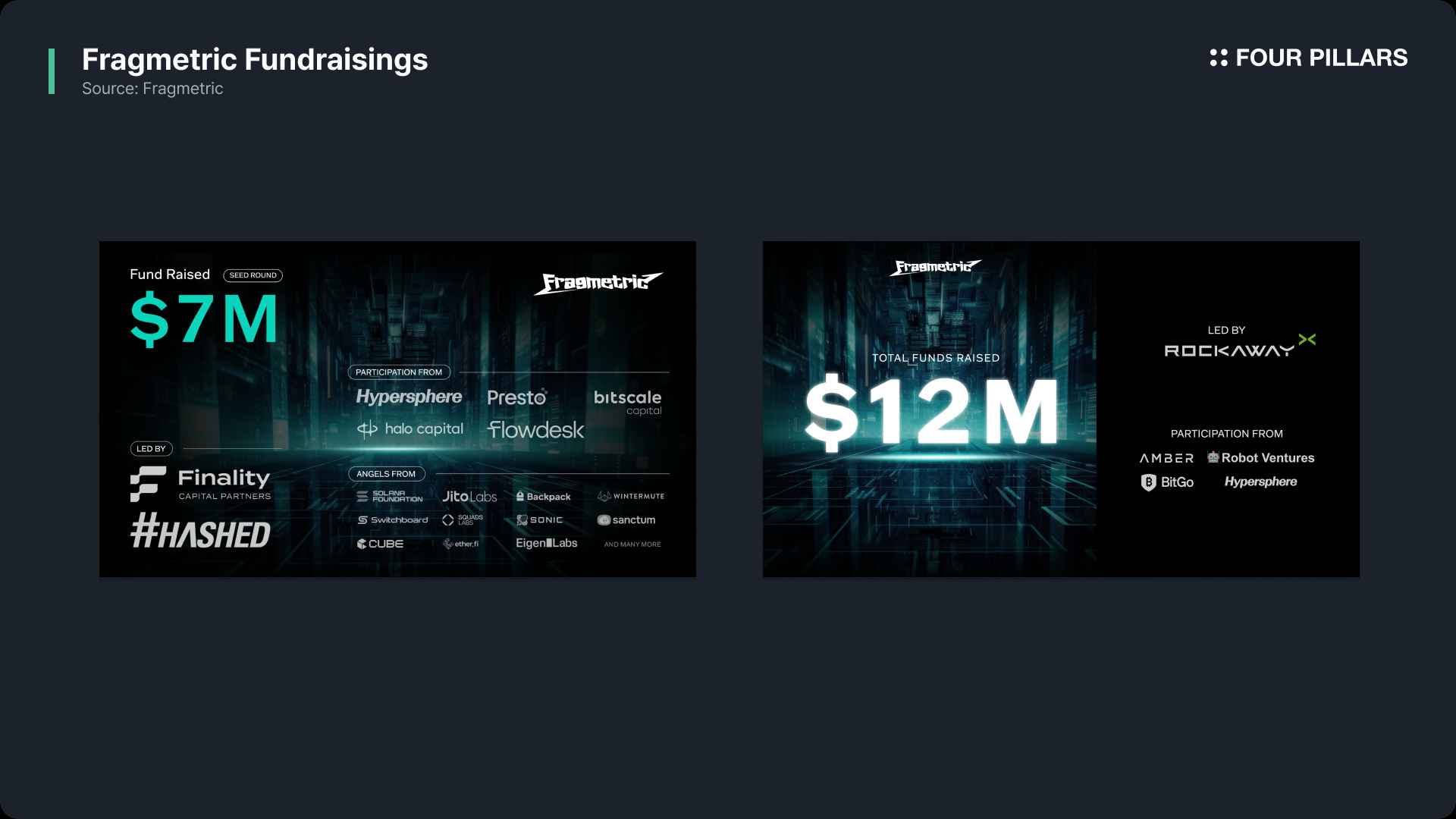
Layered Yields: Earn Solana staking rewards, Jito MEV income, and restaking protocol fees simultaneously.
-
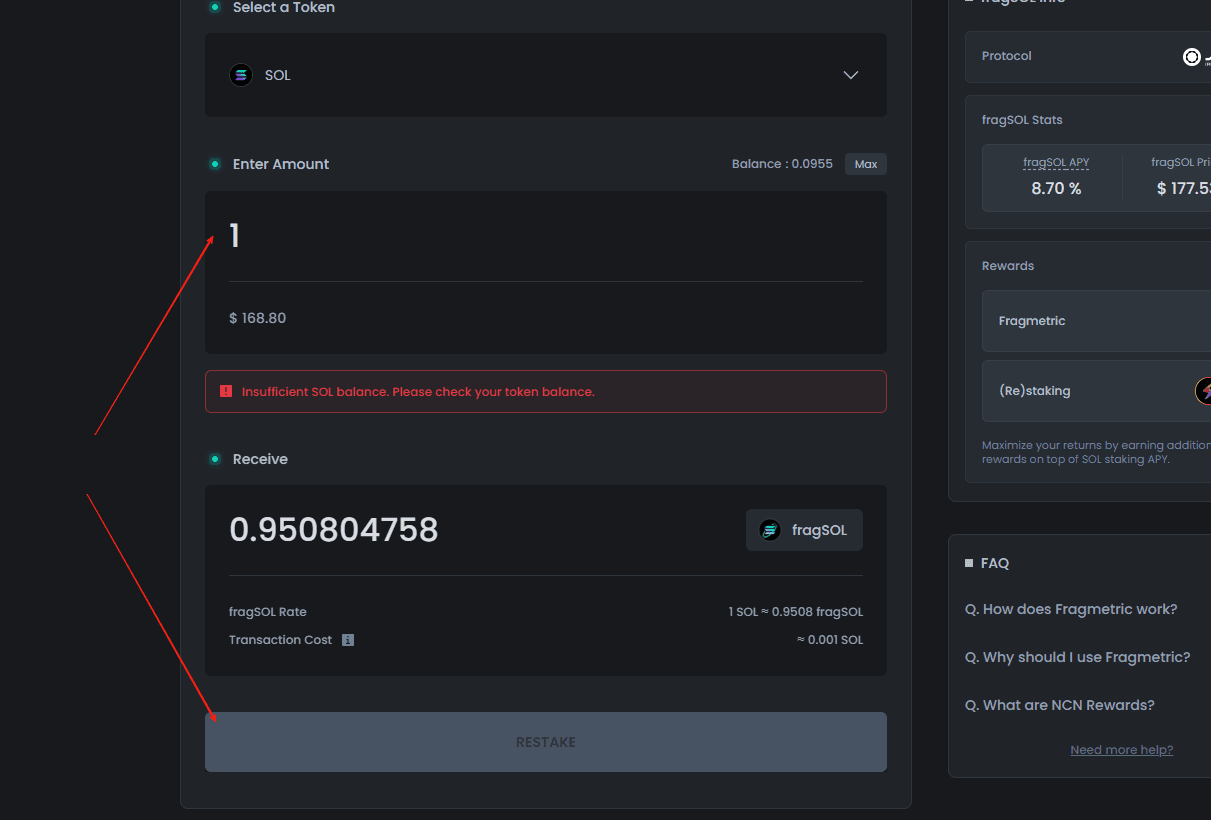
Retain Liquidity: Receive fragSOL LRT representing deposited SOL or LSTs like jitoSOL, mSOL, keeping assets usable.
-

DeFi Composability: Use fragSOL in Solana DeFi apps for lending, trading, and more without unstaking.
-
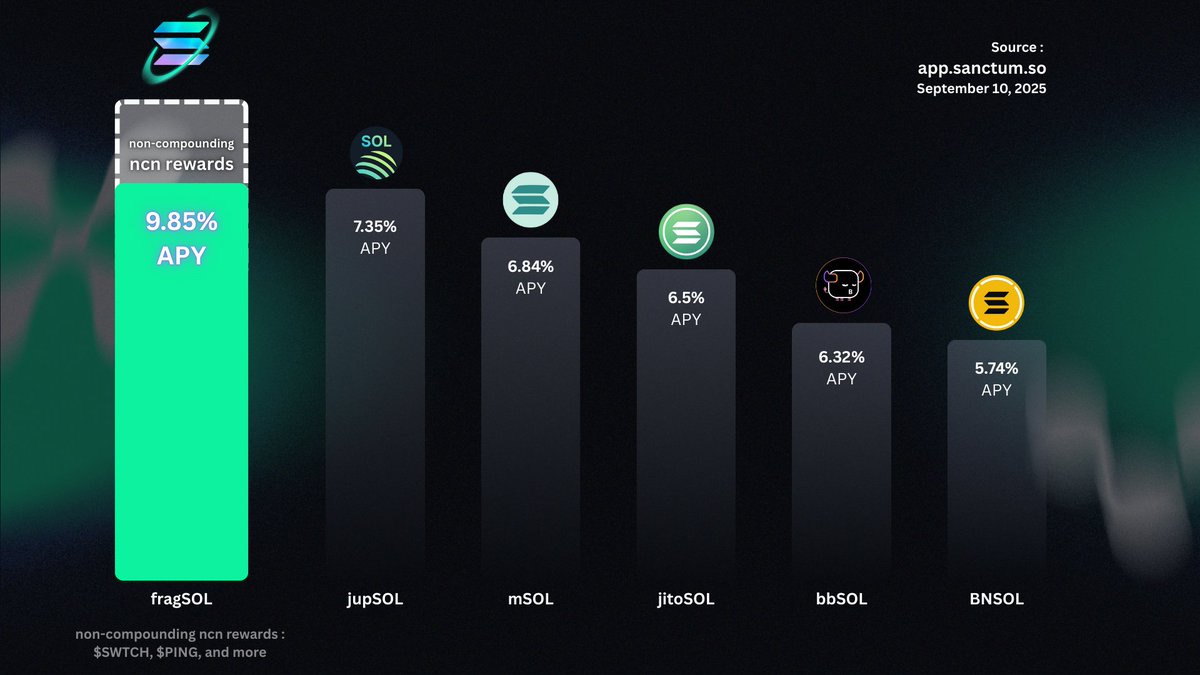
Capital Efficiency: Restake LSTs (jitoSOL, mSOL, BNSOL, bbSOL) modularly via FRAG-22 standard for optimized returns.
-

Native Solana Integration: Seamless, low-cost restaking unlocking composable security on Solana.
2026 Outlook: Fragmetric’s Role in Solana DeFi Dominance
Looking ahead, Fragmetric’s FRAG-22 standard evolves restaking beyond Jito dependencies, integrating Blast and Marginfi LSTs for broader coverage. With FRAG token live since mid-2025, governance proposals now shape yield auctions and risk parameters, democratizing control. TVL growth from $42 million signals momentum, fueled by Solana’s DAT surge and cross-chain restaking bridges.
Sang Kim’s vision of DAT-driven DeFi summer materializes as protocols like Fragmetric anchor sustainable yields. While Ethereum restaking grapples with AVS maturation, Solana’s native speed gives Fragmetric the pole position. At $80.38, SOL undervalues this ecosystem tailwind; restakers positioning now capture compounded growth through 2026.
Yield optimizers thrive by monitoring fragSOL exchange rates daily – appreciation signals healthy accrual. Blend with perps on Drift for delta-neutral plays, or ladder into FRAG airdrops. Fragmetric doesn’t just restake; it redefines Solana capital deployment, blending liquidity, yields, and innovation for the long haul.
About the Author