


In the high-yield arena of restaking, Symbiotic stands out by transforming liquid staking tokens (LSTs) into versatile instruments for decentralized insurance. While EigenLayer pioneered restaking with Ethereum-centric security, Symbiotic’s universal staking model extends LSTs across ecosystems, enabling protocols like Nexus Mutual to harness compounded yields for risk coverage. This fusion of symbiotic restaking derivatives and insurance unlocks LST restaking insurance strategies that transcend blockchain boundaries, offering savvy investors real-world applications from catastrophe bonds to slashing protection.

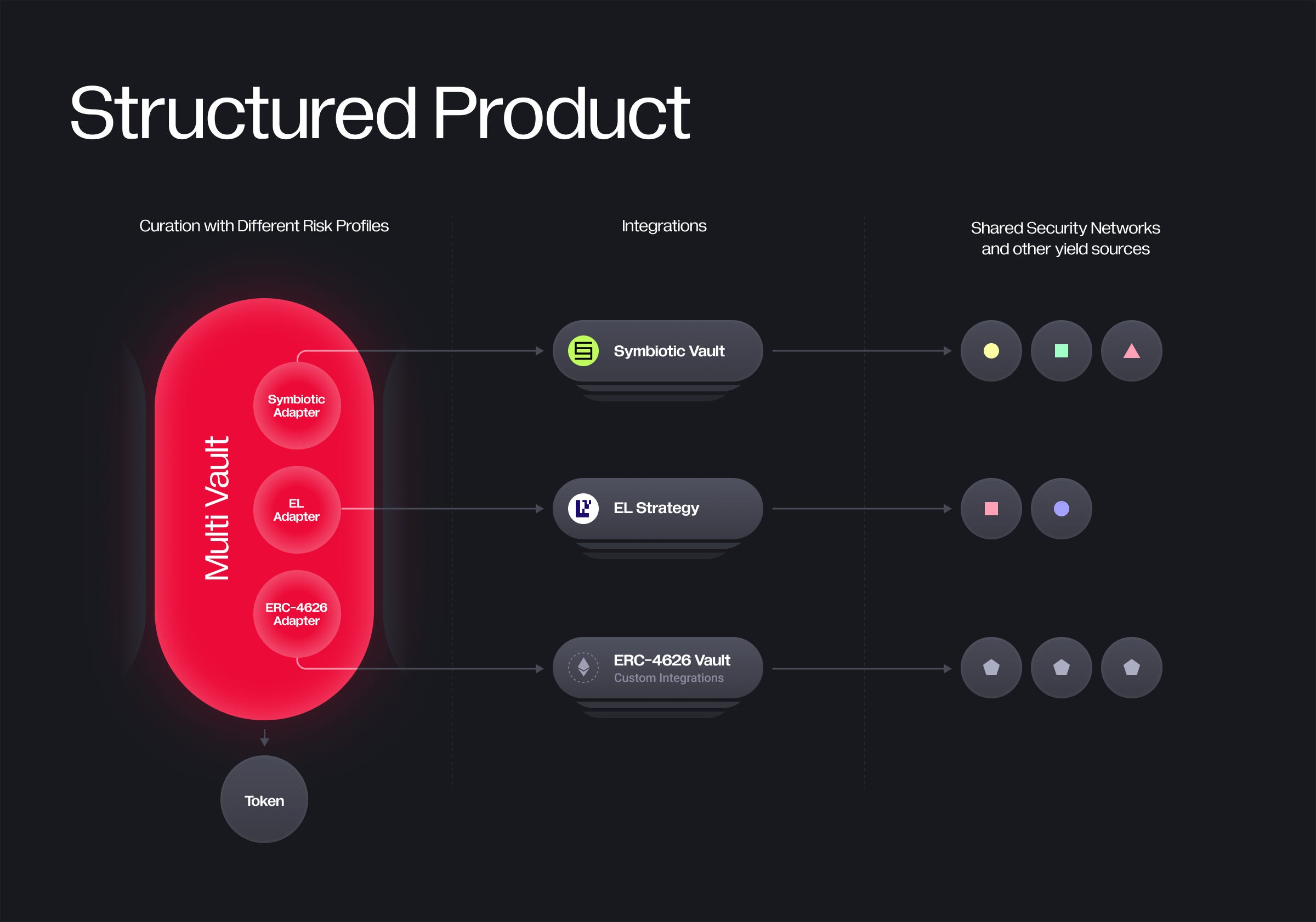
Symbiotic’s architecture departs from EigenLayer’s ETH-staker focus. EigenLayer channels stETH or rETH into operator-managed AVSs, but Symbiotic embraces any ERC-20 collateral, including BTC derivatives or cross-chain LSTs. This permissiveness fuels symbioticfi real world restaking, where assets secure diverse networks without liquidity locks. Investors deposit LSTs into vaults, earning base staking rewards plus points from restaking, all while maintaining transferability through derivatives.
Symbiotic’s Universal Staking: LSTs Unleashed
Universal staking redefines LST utility. Traditionally confined to their issuing chains, LSTs like stETH now collateralize Symbiotic vaults securing rollups, oracles, and now insurance primitives. This expansion, detailed in Symbiotic’s 2025 updates, allows restaking decentralized insurance by pooling LST yields into risk tranches. Delegators select vaults aligned with risk appetites, from conservative senior tranches to high-reward junior ones, distributing slashing exposure efficiently.
Symbiotic’s Edge Over EigenLayer
-
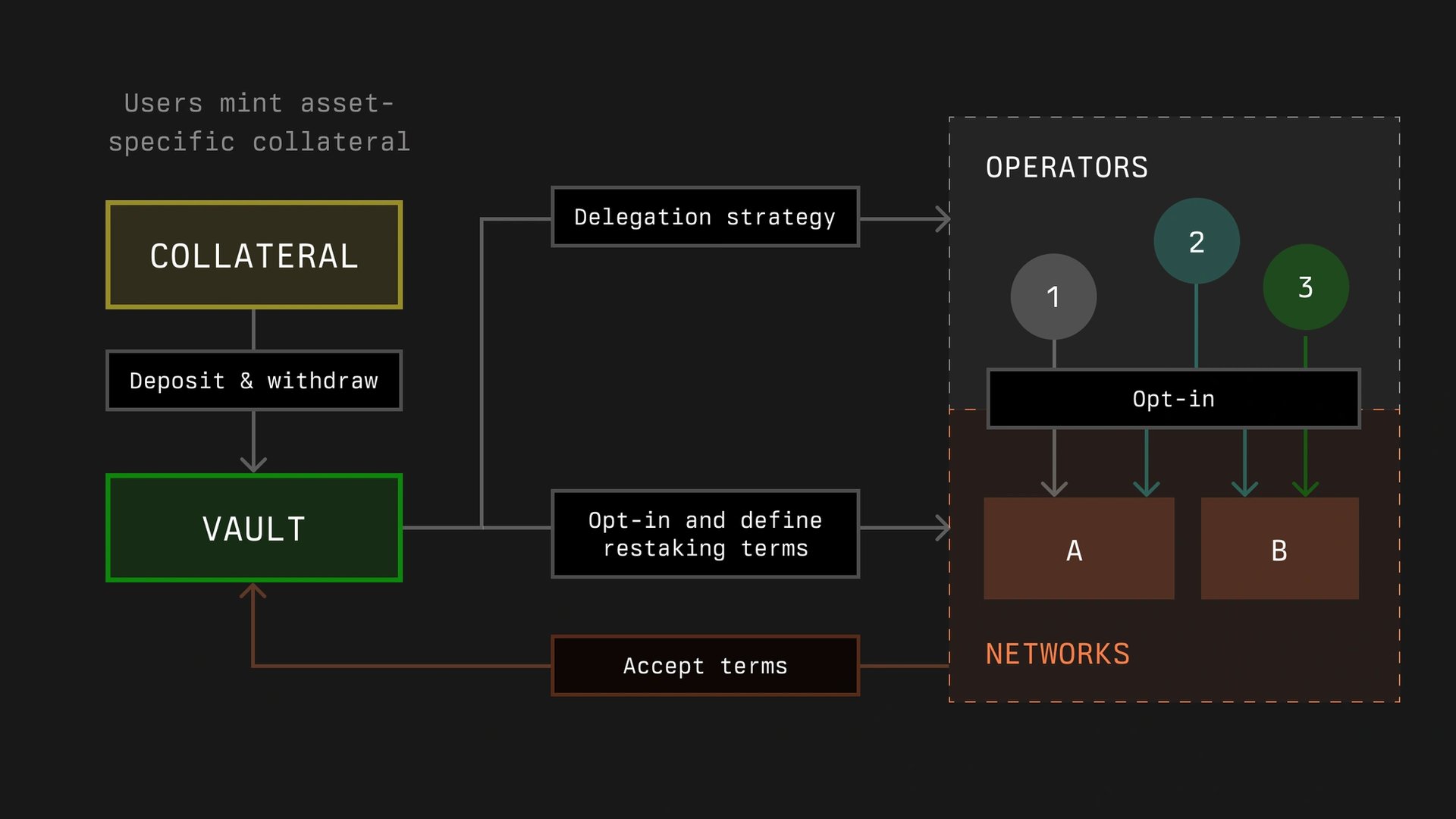
Asset-agnostic collateral: Accepts any ERC20 token, enabling universal staking beyond EigenLayer’s ETH LST focus.
-

Multi-chain security without bridges: Secures networks across chains using native assets, avoiding bridge vulnerabilities.
-

Modular vaults for insurance: Slashing Insurance Vaults (SIVs) and Nexus Mutual integration for reinsurance.
-
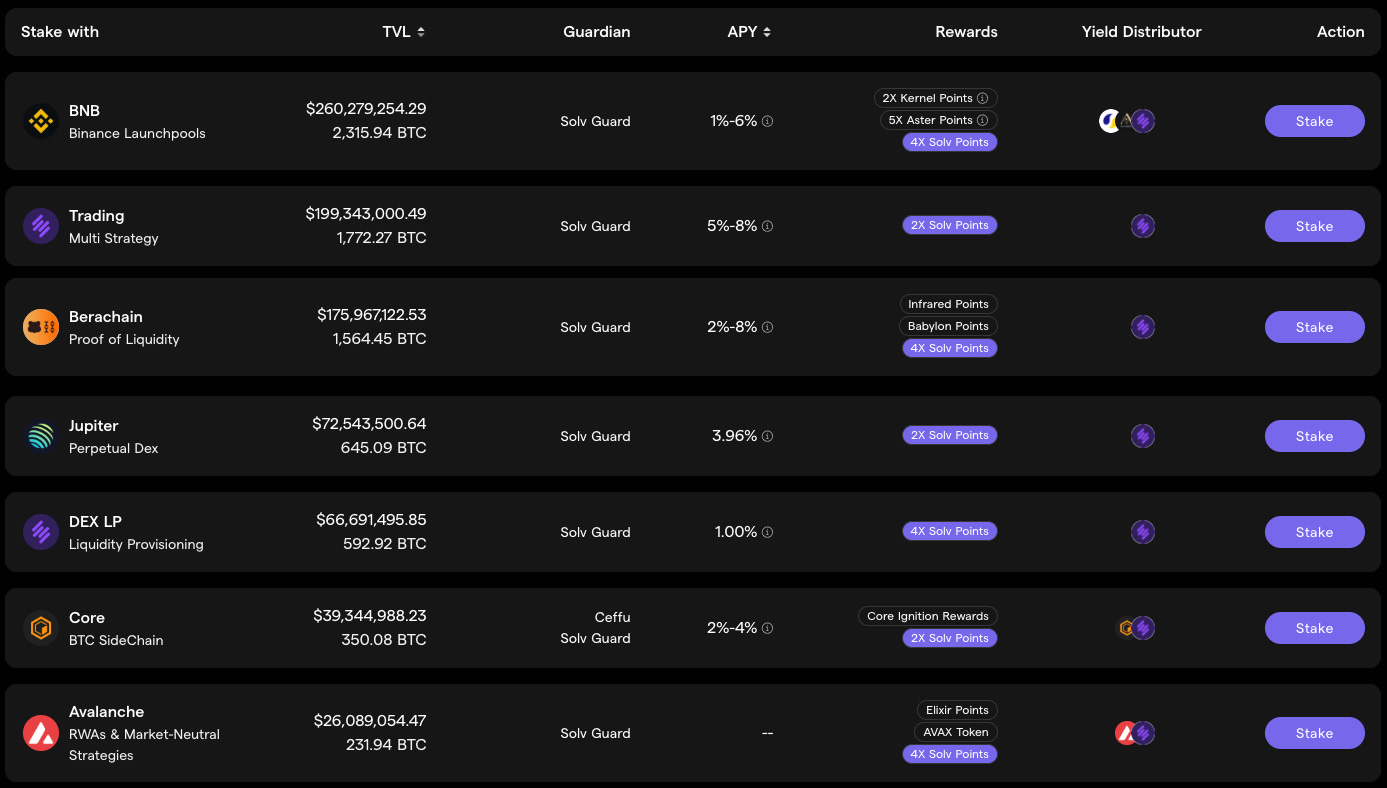
Enhanced LST liquidity via derivatives: LST derivatives boost liquidity in restaking beyond original chains.
-

Tranche-based risk management: Distributes slashing risks across tranches in modular SIVs.
Compared to EigenLayer’s centralized operator selection, Symbiotic’s permissionless model empowers networks to curate their own curators. This democratizes security markets, attracting institutional capital wary of EigenLayer’s growing centralization risks, as noted in recent analyses from OAK Research and Chorus One.

Nexus Mutual Synergy: Reinsurance Through Restaking
November 2025 marked a pivotal collaboration: Symbiotic integrated with Nexus Mutual, birthing underwriting vaults synced to cover durations. Nexus, a DeFi insurance stalwart, leverages Symbiotic LSTs to create a dynamic reinsurance layer. Capital flows in real-time to high-demand policies, slashing settlement times from weeks to hours. This setup generates restaking catastrophe insurance yields, blending staking APYs with insurance premiums for compounded returns upward of 20-30% annualized, depending on tranche and market conditions.
Underwriting vaults operate modularly. LST holders delegate to Nexus-aligned pools, where yields offset potential claims. Smart contract automation reallocates collateral based on live risk data, minimizing idle capital. For yield optimizers, this means LSTs work harder: base staking plus restaking points plus insurance fees, all extractable via liquid derivatives.
Slashing Insurance Vaults: Tranching Risks Dynamically
Symbiotic’s Slashing Insurance Vaults (SIVs) elevate LST strategies further. These modular constructs let delegators self-insure against slashing by pooling into tranches: senior for capital preservation, mezzanine for balanced yield, junior for aggressive plays. Risks distribute mathematically, with overcollateralization ensuring solvency. In practice, a slashing event in a secured AVS triggers automated payouts from junior buffers, protecting senior holders.
This tranching mirrors TradFi catastrophe bonds, adapting LST restaking insurance for blockchain volatility. Symbiotic’s design mitigates EigenLayer’s slashing centralization critiques, as Blockdaemon highlights, by enabling network-specific insurance without protocol-wide exposure. Early data post-launch shows SIV TVL surging, signaling institutional appetite for these derivatives.
Early adopters report SIV yields exceeding 25% APY in junior tranches, net of slashing buffers, drawing parallels to restaking catastrophe insurance yields in TradFi. Yet, this innovation demands scrutiny: junior tranche holders absorb first losses, amplifying volatility in bear markets.
Yield Optimization: Layering LST Strategies
Maximizing returns in Symbiotic requires deliberate LST restaking insurance positioning. Conservative investors favor senior tranches in Nexus vaults, capturing 12-18% blended APYs from staking, restaking, and premiums with minimal drawdown risk. Aggressive players stack junior SIVs atop underwriting pools, chasing 30% and but bracing for correlated slashing events across secured networks.
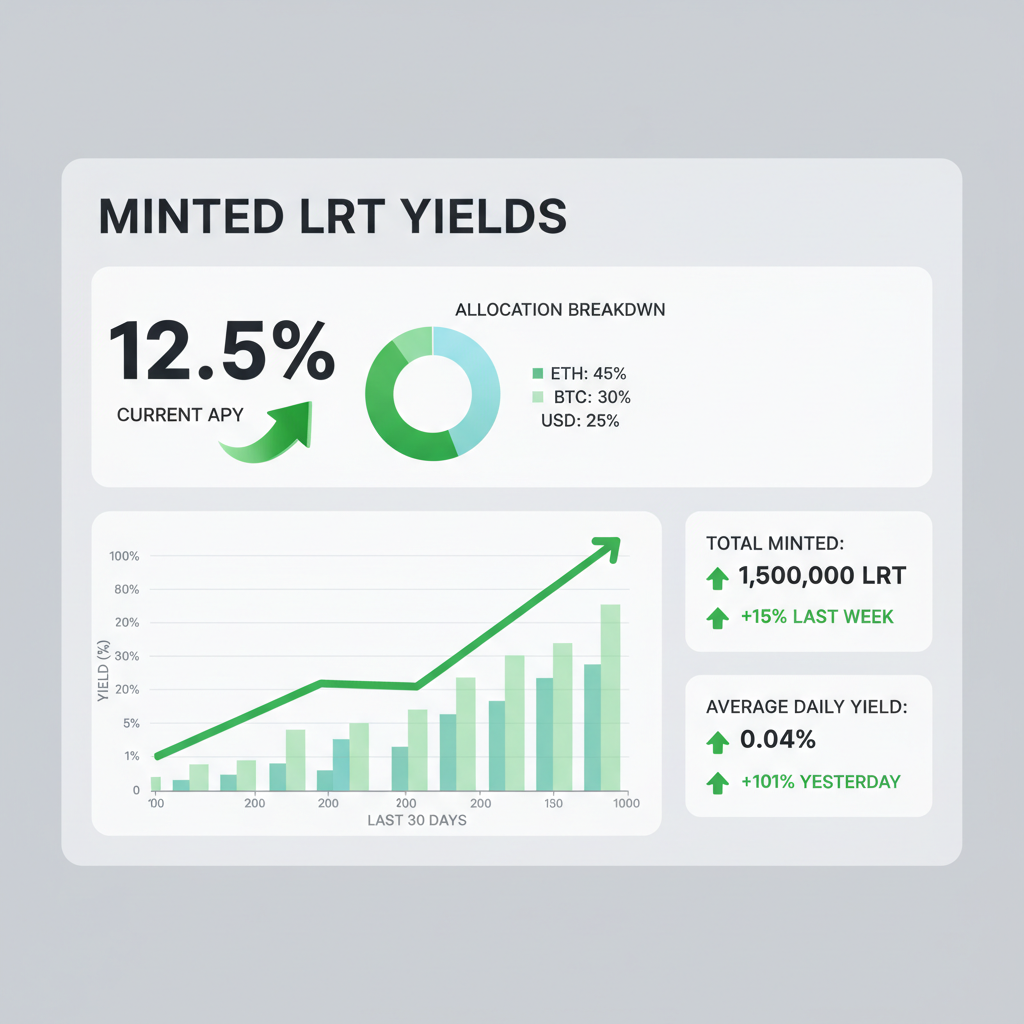
Derivatives amplify this. Symbiotic issues liquid restaking tokens (LRTs) against vault deposits, enabling composability. Trade LRTs on DEXs while earning vault yields, or leverage them in perp markets for amplified exposure. This liquidity edge over EigenLayer’s operator locks positions Symbiotic as the go-to for symbiotic restaking derivatives, per Chorus One’s analysis.
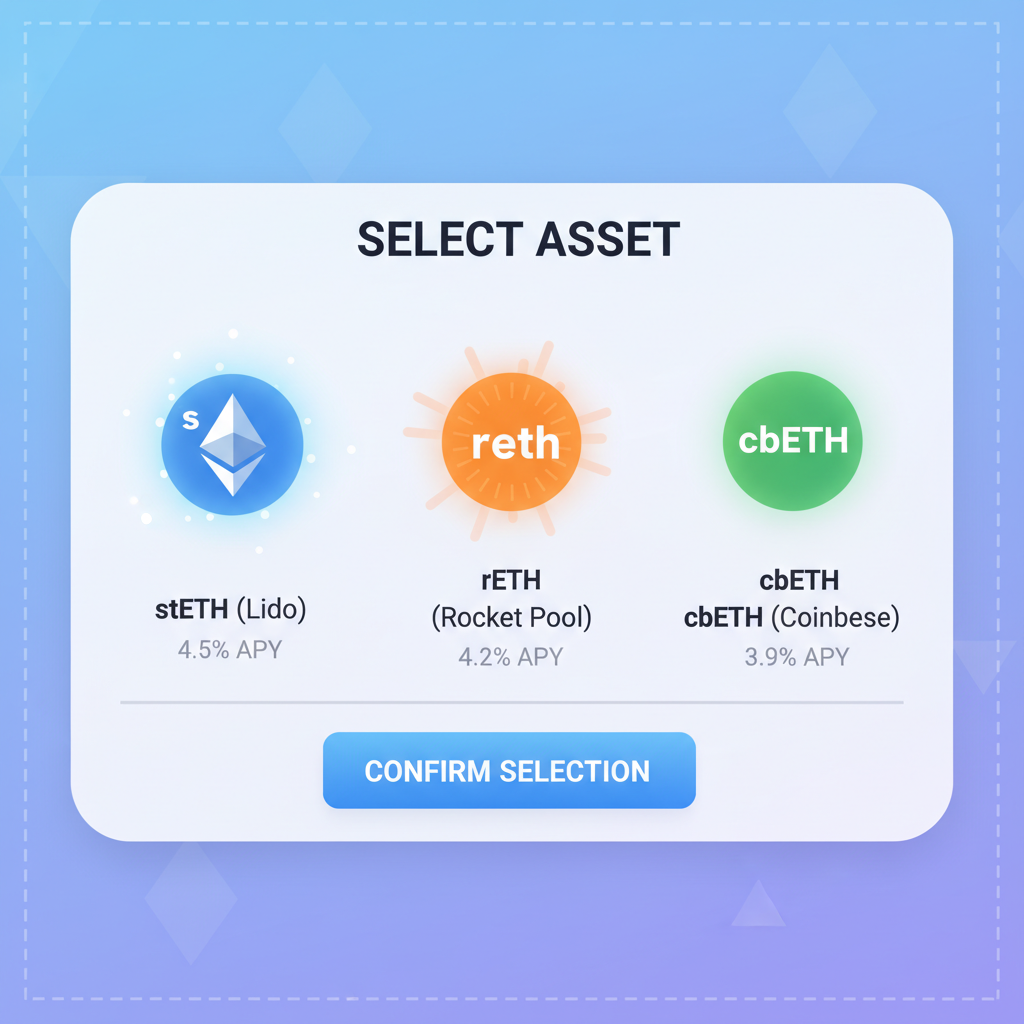
Deposit LSTs into Symbiotic Nexus Underwriting Vaults: Step-by-Step Guide



Institutions eye these mechanics for portfolio diversification. A pension fund, for instance, could allocate 5% to senior SIVs, hedging DeFi protocol risks while earning superior risk-adjusted returns versus traditional fixed income.
Risks in the Vault: Balanced Assessment
No restaking paradigm escapes pitfalls. Symbiotic’s asset-agnosticism invites collateral fragmentation, where illiquid LSTs undermine vault stability. Nexus integration mitigates via overcollateralization ratios above 150%, but smart contract bugs or oracle failures loom, as seen in past DeFi exploits.
Slashing correlation remains a thorn. If multiple AVSs falter simultaneously, junior tranches evaporate, cascading to mezzanine layers. Symbiotic counters with dynamic rebalancing and curator incentives, yet OAK Research warns of ‘herd slashing’ in immature markets. Investors must stress-test positions, favoring vaults with proven track records.
My take: Symbiotic’s tranching outshines EigenLayer’s uniformity, offering tailored risk-return profiles absent in the pioneer. But success hinges on curator quality; poor selections could erode the universal staking promise.

Beyond 2026: Symbiotic’s Multi-Chain Horizon
Looking ahead, Symbiotic’s roadmap hints at BTC LST integration and Cosmos IBC bridges, expanding symbioticfi real world restaking to non-EVM chains. Pair this with AI-driven risk oracles for predictive tranching, and decentralized insurance evolves into a trillion-dollar primitive.
For yield optimizers, the play is clear: diversify across Symbiotic vaults while monitoring TVL momentum. As restaking matures, these restaking decentralized insurance constructs will anchor DeFi’s resilience, rewarding those who balance ambition with prudence. Early positioning in SIVs and Nexus pools positions portfolios for the next yield supercycle, where LSTs secure not just chains, but fortunes.
About the Author