


In the pulsating world of DeFi restaking, where Ethereum’s security is repurposed for explosive yield generation, Ether. fi and Renzo stand out as powerhouse protocols powering liquid restaking tokens (LRTs) on EigenLayer. As ETH trades at $1,970.68 with a modest 24-hour gain of and $19.78, restaking derivatives continue to lure savvy investors chasing compounded returns beyond traditional staking’s 3.5% baseline. Ether. fi’s weETH and Renzo’s ezETH exemplify how Ether. fi restaking and Renzo derivatives unlock 8-12% APYs through EigenLayer’s Actively Validated Services (AVS), blending base staking rewards, restaking points, and token incentives. But which protocol edges ahead in this high-stakes liquid restaking comparison for 2026?

Ether. fi’s Dominance: TVL Surge and Yield Mechanics
Ether. fi commands the restaking arena with a staggering $7.8 billion TVL, securing its spot as the second-largest liquid staking protocol after Lido. Its governance token, ETHFI, hovers at $1.82 with a $1.96 billion market cap, reflecting robust investor confidence. The protocol’s yield engine is a tech marvel: starting with Ethereum’s ~3.5% staking rewards, it layers on 2-4% from EigenLayer restaking, plus protocol fees and ETHFI emissions. This stacks up to a tantalizing 8-12% APY, dynamically adjusting to AVS demand and market volatility.
What sets Ether. fi apart in restaking yields 2026 is its seamless liquidity. weETH holders can deploy tokens across DeFi without lockups, enabling yield stacking on platforms like Aave or Pendle. Dune Analytics data underscores this traction, showing Ether. fi outpacing rivals in daily unique depositors, a proxy for grassroots adoption. From my Heikin Ashi charts, weETH’s smoothed uptrend signals sustained momentum, ideal for yield optimizers automating signals like I do.

Solana
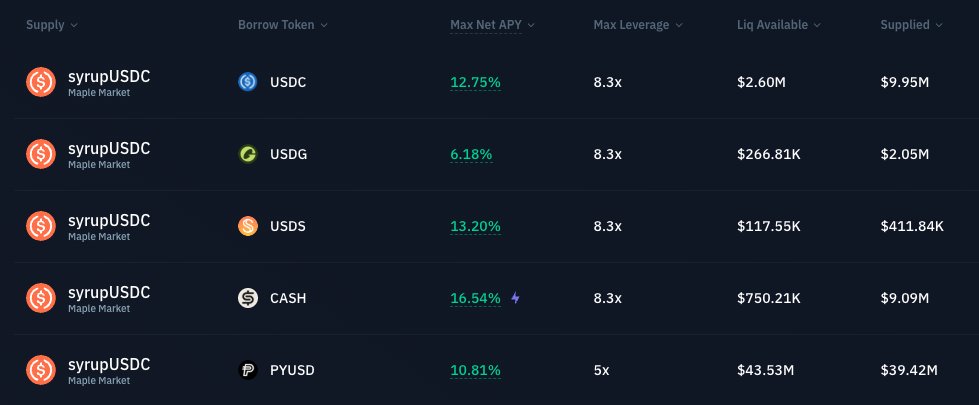
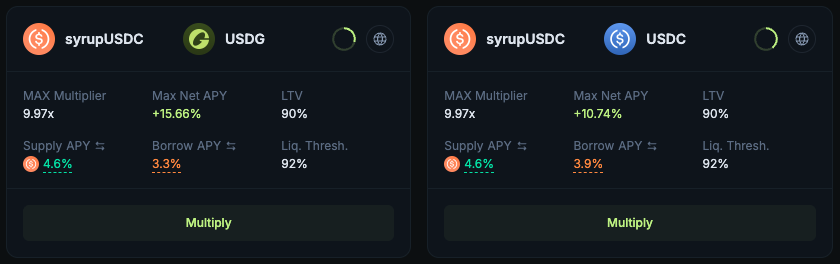
– syrupUSDC x USDC: 12.75%
– syrupUSDC x USDG: 6.18%
– syrupUSDC x USDS: 13.20%
– syrupUSDC x CASH: 16.54%
– syrupUSDC x PYUSD: 10.81% https://t.co/BU1mOjxgf2
Ethereum
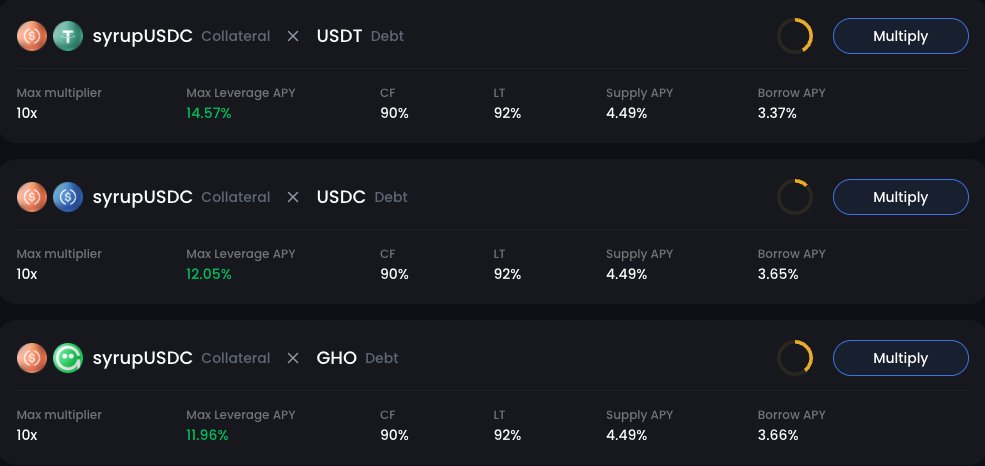
– syrupUSDC x USDT: 14.57%
– syrupUSDC x USDC: 12.05%
– syrupUSDC x GHO: 11.96% https://t.co/kn7GIUc7bK
Ethereum
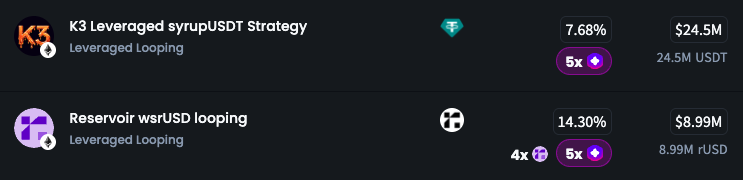
– Reservoir wsrUSD looping: 14.30% (4x Reservoir & 5x Fusion)
– K3 leveraged syrupUSDT strategy: 7.68% (5x Fusion) https://t.co/3RqbeLjiOT
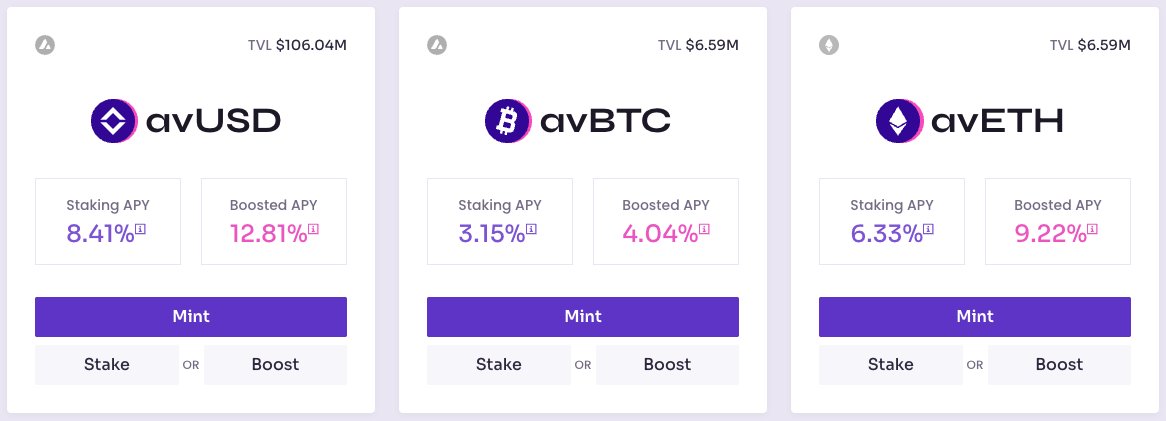
Avalanche
– savUSD: 8.41%
– avUSDx: 12.81%
– savBTC: 3.15%
– avBTCx: 4.04%
Ethereum
– savETH: 6.33%
– avETHx: 9.22% https://t.co/JpHG5q2MHR
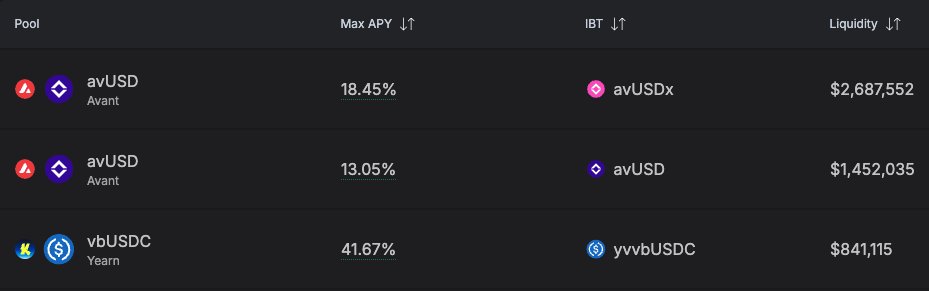
Avalanche
– avUSDx: 18.45%
– avUSD: 13.05%
Katana
– vbUSDC: 41.67% https://t.co/3aRMcUSDAa
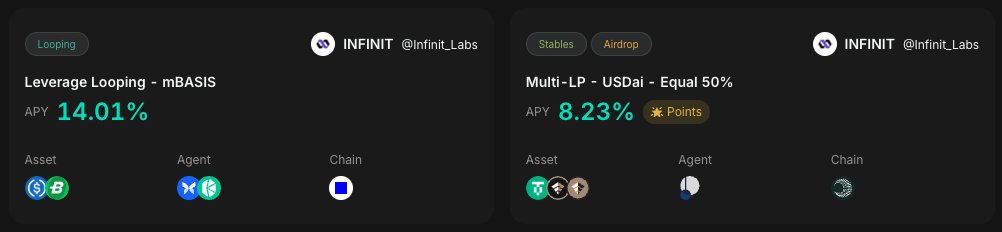
Base
– Leverage Looping – mBASIS: 14.01%
Plasma
– Multi LP USDai: 8.23% https://t.co/l2bFuhD0jO
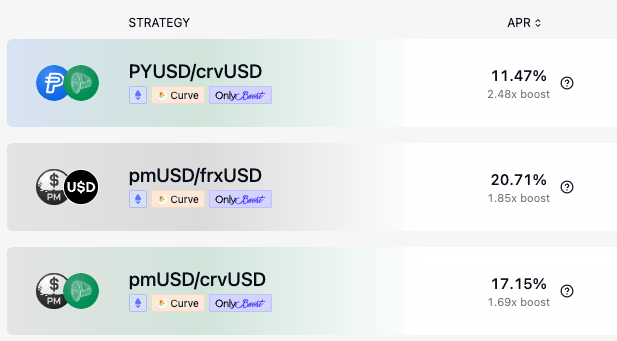
Ethereum
– PYUSD / crvUSD: 11.47%
– pmUSD / frxUSD: 20.71%
– pmUSD / crvUSD: 17.15% https://t.co/nOAHBrUI8s
Renzo’s Resilient Climb: Growth Amid Depegs
Renzo counters with $3.8 billion TVL, a meteoric rise fueled by 2,616% growth since early 2024, locking 910,000 ETH by March that year. ezETH delivers comparable yields, tapping EigenLayer’s ecosystem for extra juice over plain LSTs. Yet, Renzo’s journey hit turbulence in April 2024 when ezETH depegged to 0.2 ETH during the REZ airdrop, an 80% plunge exposing LRT fragilities. Fast-forward to 2026, and Renzo has recalibrated, positioning as a user-friendly gateway to EigenLayer LSTs with streamlined deposits and multi-AVS exposure.
Yield-wise, Renzo mirrors Ether. fi’s 8-12% potential but shines in accessibility. Sources like Fensory peg LRT APYs from 0.1-50%, with ezETH often in the upper echelons during AVS reward spikes. Coira’s guide highlights how Renzo’s strategies demand less active management than direct EigenLayer deposits, appealing to yield farmers prioritizing composability. Still, my analysis flags Renzo’s smaller TVL as a double-edged sword: nimbler growth but thinner liquidity buffers.
Ether.fi weETH Price Prediction 2027-2032
Forecasts for weETH price in USD, considering restaking yields (8-12% APY), EigenLayer growth, ETH correlation, and market risks like depegs and slashing
| Year | Minimum Price | Average Price | Maximum Price | YoY % Change (Avg from Prior Year) |
|---|---|---|---|---|
| 2027 | $1,800 | $2,800 | $4,000 | +40% |
| 2028 | $2,000 | $4,000 | $6,500 | +43% |
| 2029 | $2,500 | $5,500 | $9,000 | +38% |
| 2030 | $3,000 | $7,500 | $12,500 | +36% |
| 2031 | $3,500 | $10,000 | $16,000 | +33% |
| 2032 | $4,000 | $13,500 | $22,000 | +35% |
Price Prediction Summary
weETH is projected to experience strong growth from 2027-2032, closely tracking ETH price (~$1,971 baseline in 2026) with potential premiums from high restaking yields. Average price could rise from $2,800 in 2027 to $13,500 by 2032 (CAGR ~38%), fueled by EigenLayer TVL expansion beyond $25B, AVS adoption, and DeFi yield stacking. Bullish scenario assumes bull market cycles and tech upgrades; bearish accounts for depegs (e.g., Renzo’s 80% incident), regulatory risks, and competition.
Key Factors Affecting Ether.fi weETH Price
- Restaking adoption and EigenLayer TVL growth ($7.8B for Ether.fi TVL)
- Attractive 8-12% APY vs. base ETH staking (3.5%) + EigenLayer rewards
- Strong correlation with ETH price and market cycles
- Risks: smart contract vulnerabilities, slashing, depegs, systemic contagion
- Regulatory developments impacting DeFi and restaking
- Competition from Renzo (ezETH, $3.8B TVL), Puffer, Kelp, and Lido
- Technology improvements in AVS security and yield optimization
Disclaimer: Cryptocurrency price predictions are speculative and based on current market analysis.
Actual prices may vary significantly due to market volatility, regulatory changes, and other factors.
Always do your own research before making investment decisions.
Head-to-Head Metrics: TVL, Yields, and Engagement
Diving into the numbers, Ether. fi’s $7.8B TVL dwarfs Renzo’s $3.8B, per latest 2026 data, translating to deeper liquidity pools and tighter peg stability. Both hover at 8-12% APY, but Ether. fi’s ETHFI incentives add alpha during emission phases, while Renzo leans on ezETH’s DeFi integrations for bonus yields. Dune tracks Ether. fi’s superior daily depositors, signaling hotter user engagement; BlockEden notes LRTs like these have leveraged EigenLayer to $25B TVL collectively.
| Metric | Ether. fi | Renzo |
|---|---|---|
| TVL | $7.8B | $3.8B |
| APY Range | 8-12% | 8-12% |
| Gov Token | ETHFI $1.82 | REZ |
| Key LRT | weETH | ezETH |
This table crystallizes the duel: Ether. fi leads in scale, Renzo in explosive growth. Thrive. fi’s guide praises both for LRT strategies, but warns of fragmented liquidity from the LRT rush, echoing ChainScore’s ‘too big to fail’ concerns. As ETH stabilizes at $1,970.68, protocol choice boils down to risk appetite; Ether. fi for blue-chip reliability, Renzo for high-beta plays.
Yet beneath the yield allure, restaking’s razor-sharp risks demand scrutiny. Renzo’s ezETH depeg to 0.2 ETH during the 2024 REZ airdrop wasn’t a one-off; it spotlighted how LRTs can fracture under incentive frenzy, eroding trust and liquidity. Ether. fi dodged similar pitfalls, but both face shared specters: smart contract exploits, AVS failures triggering multi-layer slashing, and correlation cascades if EigenLayer’s $25B TVL ecosystem wobbles. ChainScore Labs nails it, dubbing these protocols ‘too big to fail’ as fragmented LRTs – ether. fi, Renzo, Kelp – dilute base security while amplifying systemic contagion.
Risk-Adjusted Yields: Beyond the Headline APYs
In my yield farming automation scripts, I weight APYs by risk multipliers. Ether. fi’s $7.8B TVL offers a sturdier peg defense, with weETH rarely deviating over 1%, versus Renzo’s growth-at-all-costs vibe post-depeg. Fensory’s LRT yield spectrum (0.1-50% APY) tempts, but real-world restaking yields 2026 hover 8-12% after fees and volatility drag. DeFi Rate underscores how Puffer, Ether. fi, and Renzo streamline LSTs, yet KuCoin warns Renzo’s EigenLayer interface trades simplicity for opacity in AVS allocations. Heikin Ashi patterns on weETH show bullish persistence, while ezETH’s candles flicker with recovery volatility – a coder’s cue to set tighter stop-losses.
Ether.fi weETH vs Renzo ezETH: Risk Metrics Comparison (Feb 2026)
| Metric | Ether.fi (weETH) | Renzo (ezETH) |
|---|---|---|
| TVL | $7.8B | $3.8B |
| Peg Stability | Stable ✅ (no major depegs) | 80% depeg (0.2 ETH equiv., Apr 2024) ❌ |
| Slashing Exposure | High ⚠️ (multi-layer: ETH + EigenLayer AVS) | High ⚠️ (multi-layer: ETH + EigenLayer AVS) |
| AVS Diversity | High ✅ (leading EigenLayer depositor) | Medium ⏳ (rapid growth, fragmented) |
Opinionated take: Ether. fi restaking wins for institutional-grade plays, its ETHFI at $1.82 fueling loyalty loops. Renzo derivatives suit aggressive farmers stacking ezETH on Pendle for 20% and boosts, but only with hedged positions. BlockEden’s $5B leverage stat? Thrilling, yet it underscores how LRTs supercharge EigenLayer’s TVL while courting correlated wipeouts.
Advanced Strategies: Yield Stacking and Automation
Maximize liquid restaking comparison by layering. Deposit ETH into Ether. fi for weETH, then loop into Renzo’s pools or Kelp’s rsETH for hybrid exposure – thrive. fi’s playbook. Or automate like me: Python bots monitor Dune depositor spikes, rotating into high-APY AVS via direct EigenLayer. Coira’s 2026 guide pegs active management unlocking 12% and versus passive 8%. With ETH at $1,970.68, even modest basis points compound massively over cycles.
CoinGape ranks top 10 protocols, spotlighting Renzo-EigenLayer ease for juicy extras. But my charts scream diversification: split 60/40 Ether. fi/Renzo to balance TVL depth against growth beta. Medium’s DeMan overview frames them as EigenLayer reps, yet user engagement – per Dune – crowns Ether. fi king.
Visualize this duel through my lens: Ether. fi’s steady climb mirrors a Heikin Ashi green wave, Renzo a volatile breakout. As restaking matures, protocols fortifying audits and AVS transparency will dominate. With Ether. fi’s scale and Renzo’s grit, both propel EigenLayer LSTs into DeFi’s core. Position now, automate signals, and ride 2026’s compounded wave – yields await the bold.
About the Author