


As Ethereum hovers at $1,973.05 in early 2026, liquid restaking derivatives on EigenLayer have redefined capital efficiency for savvy investors. These innovative tokens wrap liquid staking tokens like stETH, enabling restaking across Actively Validated Services (AVSs) while preserving liquidity for DeFi plays. The result? Compounded yields that outpace traditional staking, with protocols blending security and scalability to fuel the next yield frontier.

EigenLayer liquid restaking turns idle staked ETH into a multi-revenue engine, securing diverse networks without lockups. Holders of these LRDs trade, lend, or loop them seamlessly, capturing rewards from Ethereum validation plus AVS incentives. In a market eyeing ETH projections between $3,200 and $5,600, this setup positions portfolios for sustained growth amid network upgrades and rising adoption.
Why Liquid Restaking Derivatives Dominate 2026 Strategies
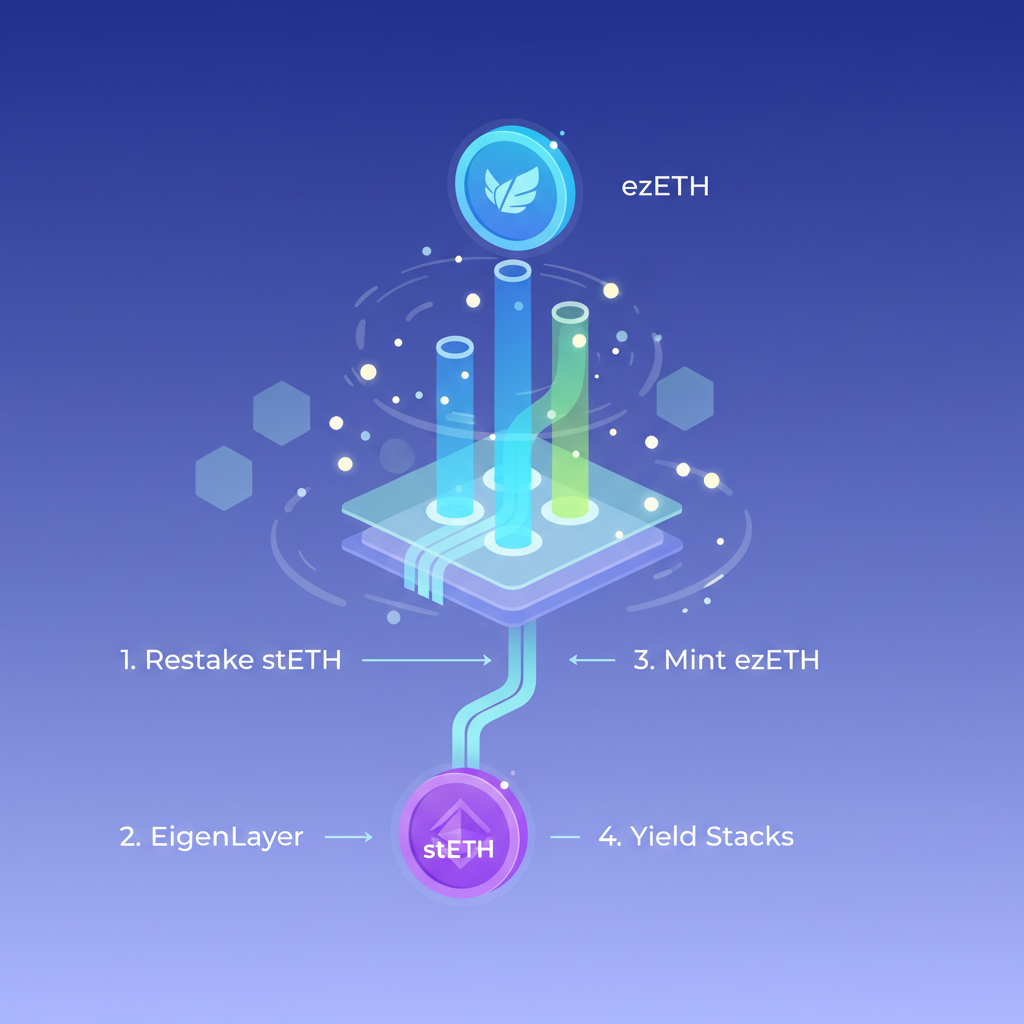
Liquid restaking derivatives excel by layering yields on proven LSTs, mitigating opportunity costs that plague native restaking. Protocols like Ether. fi and Renzo issue tokens such as weETH and ezETH, which restake LSTs on EigenLayer while unlocking composability. This transforms yield strategies, as users earn base staking APYs of 3-5% topped with AVS points and emissions reaching 10-40% in bullish scenarios.
Strategic edge comes from liquidity: unlike rigid EigenPods, LRDs integrate with lending markets and DEXs, amplifying returns via leverage. Yet, discernment is key; top performers balance TVL depth, audited contracts, and slashing protections to weather volatility.
Institutional flows favor LRDs for their hybrid risk-reward profile, blending Ethereum’s security with DeFi’s upside.
Ranking the Top 7 LRDs by TVL and Yield Potential
Dominating EigenLayer’s ecosystem, these seven liquid restaking tokens lead in TVL and projected yields for 2026. Ranked by locked value and compounded APY potential, they offer tailored entry points for yield optimizers.
Top 7 LRTs on EigenLayer
| Protocol | Token | Est. APY | TVL Rank | Key Feature |
|---|---|---|---|---|
| Ether.fi | weETH | 4.6% | #1 | Liquidity |
| Renzo | ezETH | 12.07% | #2 | Multi-chain |
| Kelp DAO | rsETH | 20% | #3 | Scalability |
| Puffer Finance | pufETH | 3.04% | #4 | Decentralized Vals |
| Swell Network | swETH | 3.86% | #5 | Eigen Integration |
| Twister | tiETH | N/A | #6 | High-yield Twister |
| Lombard Finance | lbETH | N/A | #7 | BTC-ETH bridge |
weETH from Ether. fi commands the throne with unmatched TVL and 4.6% base APY, its deep pools ensuring minimal slippage. Renzo’s ezETH follows at up to 12.07%, excelling in cross-chain restaking for diversified AVS exposure. Kelp DAO’s rsETH pushes boundaries with 20% yields, prioritizing scalable liquidity for aggressive strategies.
Puffer Finance’s pufETH, at 3.04%, shines via decentralized validators, while Swell Network’s swETH (3.86%) weaves tight EigenLayer synergies. Twister’s tiETH and Lombard’s lbETH round out the pack, with tiETH chasing niche AVS rewards and lbETH bridging BTC restaking for hybrid plays.
Yield Benchmarks and Comparative Edge
Current LRD APYs reflect EigenLayer’s maturation: weETH’s steady 4.6% anchors conservative stacks, while rsETH’s 20% peak suits yield chasers. Compare to LST baselines like stETH’s 3-4%; restaking adds 5-15% via AVS, per recent data. TVL leaders like Ether. fi minimize dilution risks, their liquidity fueling recursive loops.
ezETH’s multi-chain tilt yields outsized rewards in L2 booms, outpacing pufETH’s security-focused 3.04%. Investors eyeing 15-20% compounded returns layer these via borrowing, but protocol audits remain non-negotiable. Swell and Twister innovate on edges, with lbETH opening BTC yields to ETH restakers.
Ethereum (ETH) Price Prediction 2027-2032: LRD Yield Impact Scenarios
Forecasts based on EigenLayer liquid restaking derivatives (LRDs) enhancing ETH yields (10-40% APY) amid DeFi adoption and network upgrades
| Year | Minimum Price | Average Price | Maximum Price | Avg YoY Change % |
|---|---|---|---|---|
| 2027 | $3,200 | $4,800 | $6,800 | +9% |
| 2028 | $4,000 | $6,200 | $9,000 | +29% |
| 2029 | $4,800 | $8,000 | $11,500 | +29% |
| 2030 | $6,000 | $10,200 | $14,500 | +28% |
| 2031 | $7,500 | $13,000 | $18,500 | +27% |
| 2032 | $9,500 | $16,500 | $23,000 | +27% |
Price Prediction Summary
Ethereum prices are forecasted to grow progressively from 2027-2032, propelled by LRDs on EigenLayer (e.g., eETH at 4.6%, rsETH at 20%) and strategies like Yield Loop (15-20% yields). Averages rise from $4,800 to $16,500, with bullish maxima reflecting adoption booms and bearish minima accounting for corrections, regulations, and risks like slashing.
Key Factors Affecting Ethereum Price
- LRD adoption via Ether.fi, Renzo, Kelp DAO boosting yields and liquidity
- Ethereum upgrades (scalability, L2s) and AVS integrations on EigenLayer
- Regulatory clarity and institutional DeFi inflows
- Macro trends, market cycles, and competition from BTC restaking
- Risk mitigation via slashing insurance amid smart contract/liquidity risks
Disclaimer: Cryptocurrency price predictions are speculative and based on current market analysis.
Actual prices may vary significantly due to market volatility, regulatory changes, and other factors.
Always do your own research before making investment decisions.
These benchmarks spotlight strategic picks: prioritize TVL for stability, APY for growth. As AVS adoption surges, top LRDs will capture the lion’s share, rewarding early allocators with layered alpha.
Layering these LRDs demands precision, especially with ETH at $1,973.05 and AVS rewards fluctuating. Ether. fi’s weETH sets the liquidity benchmark, its pools absorbing large positions without friction. Pair it with rsETH for a balanced duo: Kelp’s scalability complements weETH’s depth, targeting 12-15% blended yields through diversified AVS secures.
Advanced DeFi Restaking Strategies for 2026
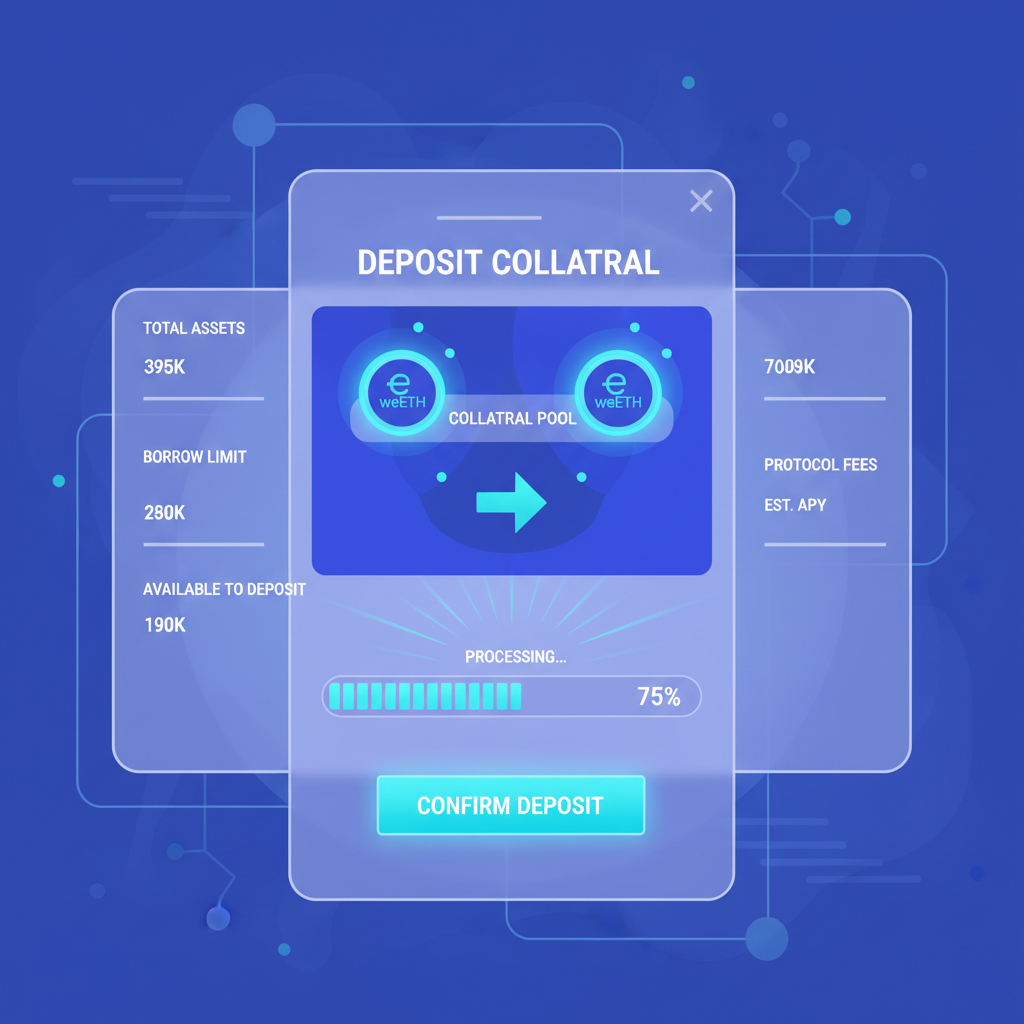
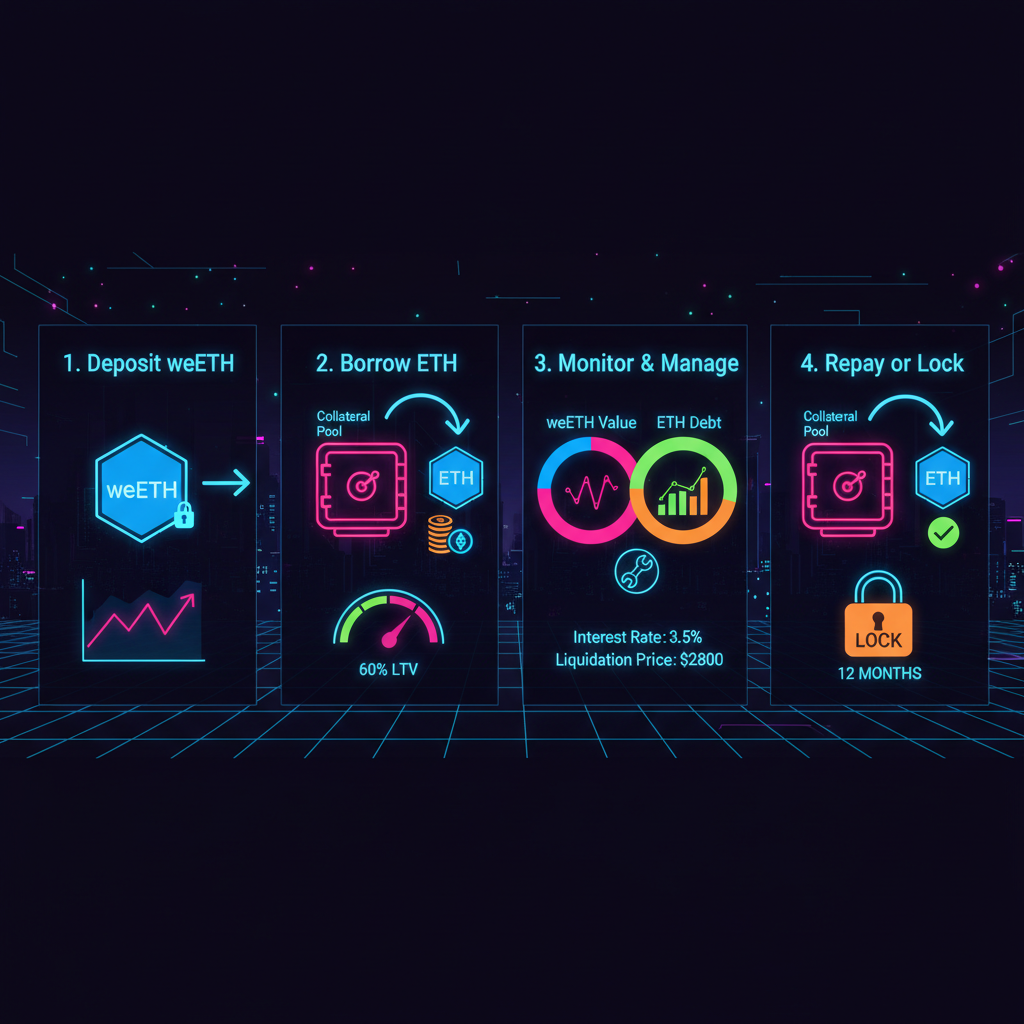
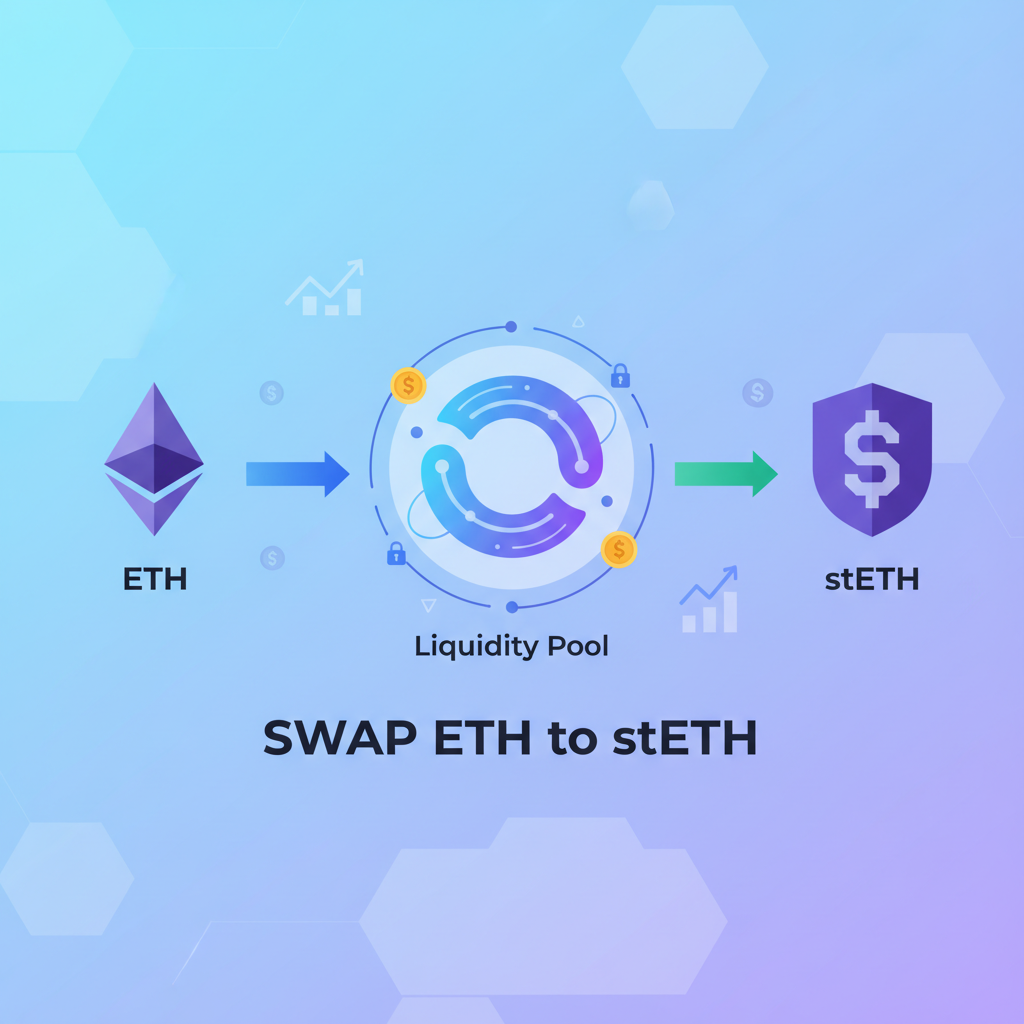
EigenLayer liquid restaking thrives on composability. Recursive staking, or the yield loop, deploys LRDs as collateral on platforms like Aave to borrow ETH, restake it into more LRDs, and amplify exposure. This tactic, rooted in top restaking strategies, pushes returns to 15-20% annually, per protocol simulations, while ETH eyes $3,200-$5,600.
Master the Yield Loop: Supercharge ETH Yields with weETH on EigenLayer
Conservative players stack weETH with pufETH, leveraging Puffer’s decentralized validators for resilience. Aggressive allocators favor rsETH’s 20% ceiling alongside tiETH, Twister’s high-reward specialist securing niche AVSs like oracles. lbETH from Lombard bridges BTC liquidity, letting ETH holders tap bitcoin restaking without full exposure shifts. Swell’s swETH slots in for seamless EigenLayer depth, its 3.86% base scaling with emissions.
Multi-token portfolios mitigate single-protocol risks. Allocate 30% weETH for stability, 25% ezETH for multi-chain alpha, 20% rsETH for yield spikes, 15% pufETH/swETH hybrid, and 10% tiETH/lbETH for edges. This mix, audited for slashing coverage, captures restaking LST yields 2026 across scenarios.
Navigating Risks in Liquid Restaking Derivatives
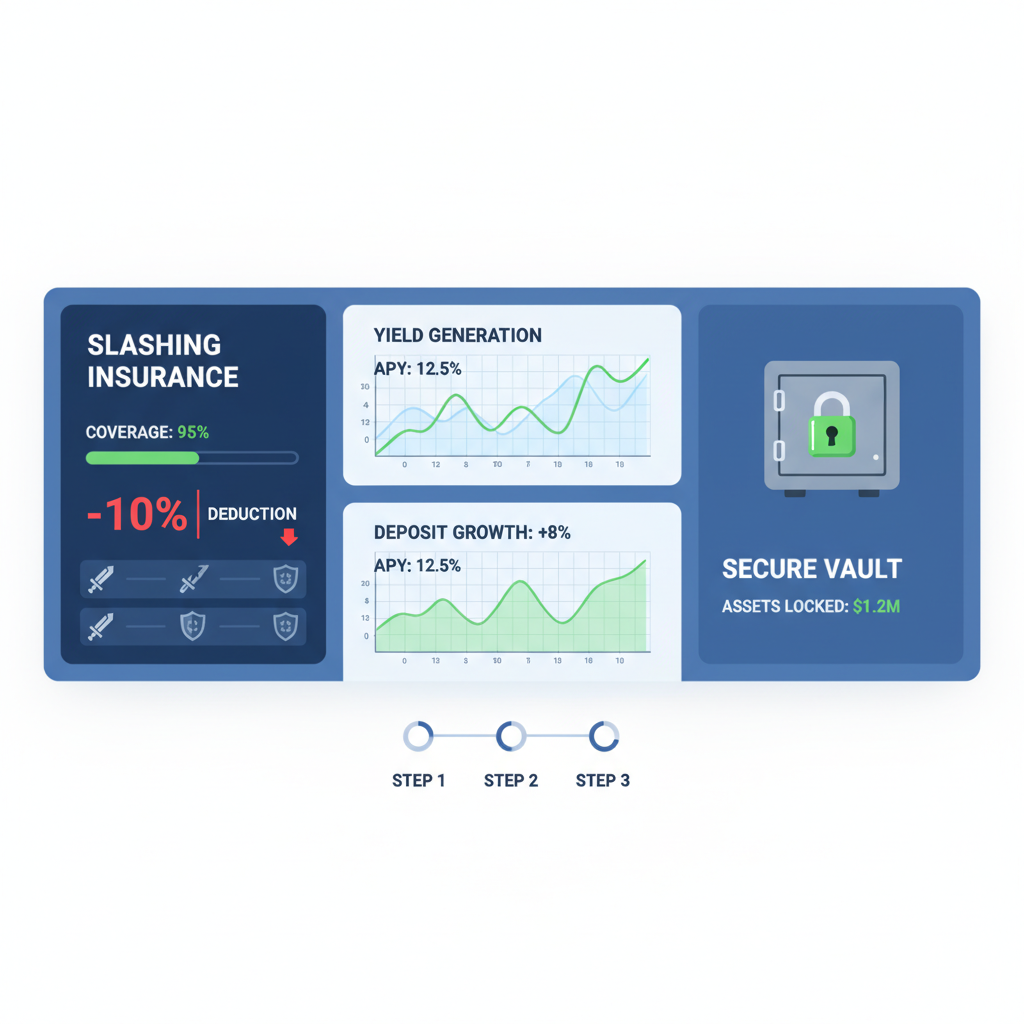
No yield comes free. Slashing from AVS faults, smart contract exploits, and correlation crashes loom large. weETH and ezETH lead with insurance pools, diverting 10-20% rewards to buffers. Puffer’s pufETH decentralizes validators, slashing Kelp’s rsETH scalability edge with redundancy. Recent AVS unwinds dropped yields below 0.3%, underscoring diversification.
Liquidity crunches hit during downturns; top TVL like Ether. fi weETH weathers them best. Monitor EigenLayer’s points system for airdrop alpha, blending EIGEN tokens with LST rewards. Protocols like Swell integrate slashing reinsurance, bolstering rswETH (swETH) holders.
Fundamental audits trump hype. Prioritize teams with battle-tested contracts, as 2026’s Ethereum upgrades amplify AVS demand. lbETH’s BTC-ETH bridge adds cross-asset risk, but unlocks yields traditional staking ignores.
Building Lasting Restaking Portfolios
Restaking LST yields 2026 favor patient capital. Start with 50% in TVL kings weETH/ezETH, layer rsETH/pufETH for 10-25% targets. Rebalance quarterly, harvesting AVS points into stables during peaks. As EigenLayer secures L2s and data layers, these LRDs compound ETH’s base at $1,973.05 into multi-stream engines.
tiETH and lbETH pioneer frontiers: Twister chases emerging AVSs, Lombard fuses BTC liquidity. This ecosystem, per EigenLayer’s rollout, reshapes DeFi security budgets, rewarding allocators who blend liquidity with yield. Optimism tempers strategy; with slashing nets and deep TVL, portfolios endure, scaling as adoption surges.
Position now. weETH’s liquidity, ezETH’s versatility, rsETH’s boldness, pufETH’s safeguards, swETH’s ties, tiETH’s edge, lbETH’s bridge: together, they forge EigenLayer liquid restaking supremacy, turning staked ETH into enduring alpha machines.
About the Author