
Restaking derivatives in 2026: The new yield baseline
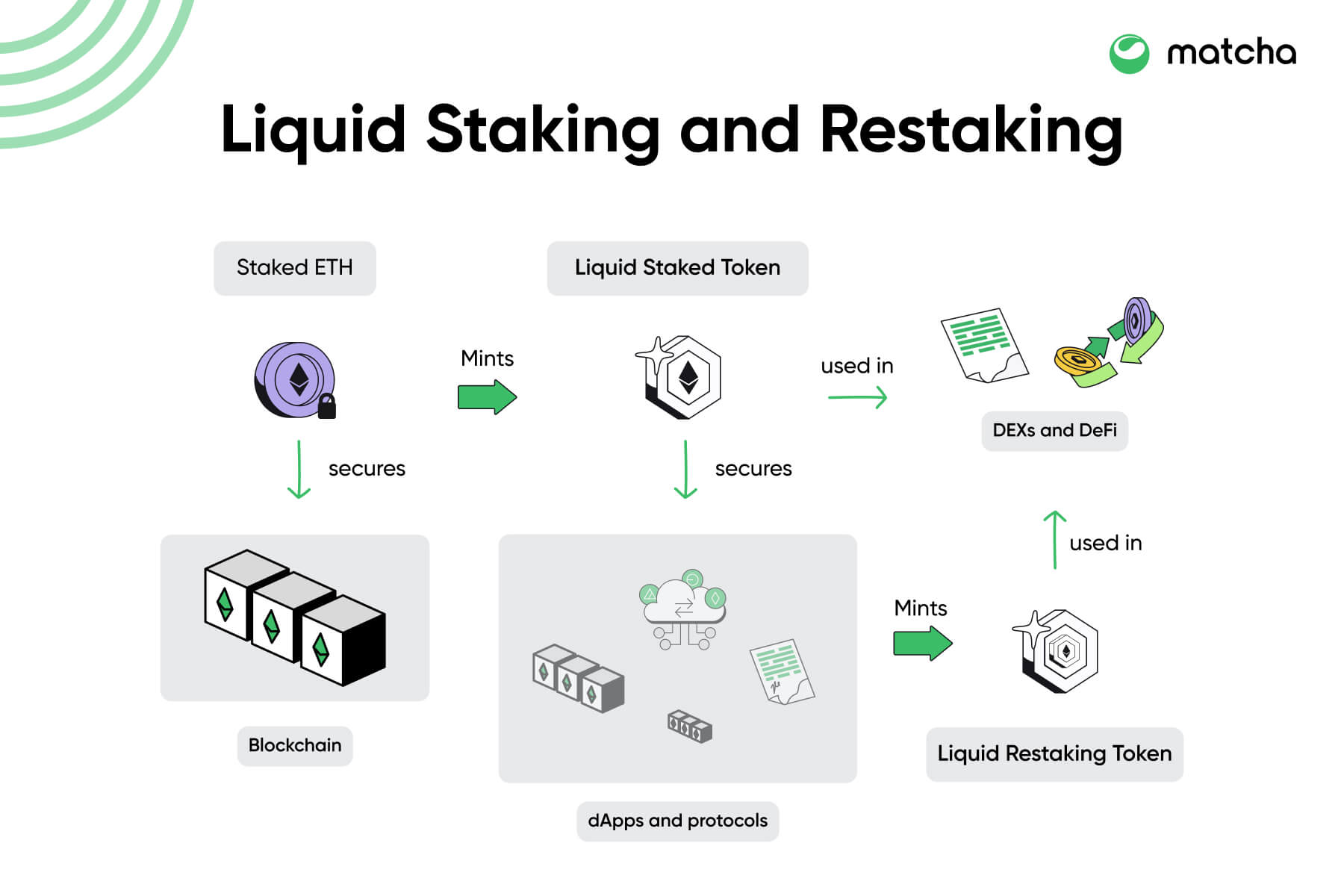
Restaking derivatives have moved from experimental protocols to a primary yield source for liquid restaking tokens (LRTs). By 2026, these instruments are no longer just about maximizing returns; they are about managing the complex risk of double-staking. Users are no longer simply staking ETH; they are delegating that stake to restaking contracts that secure multiple networks simultaneously.
This shift changes how yield is calculated and distributed. The "yield" is no longer a single APY but a composite of base staking rewards, restaking incentives, and potential slashing penalties. Understanding this composite nature is critical, as the advertised APY often masks the volatility of incentive tokens and the risk of protocol-specific failures.
The market has consolidated around a few major LRT protocols that offer transparent risk models. Comparing these derivatives requires looking beyond the headline APY to examine the underlying security assumptions and the liquidity depth of the derivative tokens themselves. For those transitioning from traditional mining or simple staking, the learning curve involves understanding these layered risk factors.
Restaking derivatives 2026 choices that change the plan
Choosing a liquid restaking derivative (LRT) in 2026 requires weighing higher yields against more complex risk vectors. Unlike simple staking, restaking protocols layer additional security services over your Ethereum validator stake, creating interdependencies that can amplify both returns and potential losses.
The core tradeoff is between yield efficiency and operational simplicity. Protocols like Ether.fi, Renzo, and Puffer offer different mechanisms for managing restaked assets, impacting everything from smart contract exposure to liquidation thresholds. Understanding these mechanics is essential for protecting your capital in a high-stakes environment.
| Protocol | Yield Source | Risk Level | Liquidity |
|---|---|---|---|
| Ether.fi | Restaking + MEV | Medium | High |
| Renzo | Points + Yield | High | |
| Puffer | Validator Optimization | Low-Medium | Medium |
| Kelp DAO | Liquid Staking + Restaking | Medium | High |
Each protocol structures its risk differently. Ether.fi focuses on native restaking yields, which are volatile but potentially higher. Renzo emphasizes point systems and airdrop speculation, adding regulatory uncertainty. Puffer optimizes validator efficiency, reducing slashing risk but offering lower baseline yields. Kelp DAO combines liquid staking with restaking, offering a balanced approach.
Your decision should align with your risk tolerance. If you prioritize capital preservation, Puffer or Kelp DAO may be suitable. For yield maximization, Ether.fi offers direct exposure to restaking rewards. Renzo is best for those speculating on future airdrops rather than immediate yield.
Always review the protocol’s smart contract audits and insurance funds. Restaking derivatives are not insured by the FDIC or any traditional financial institution. A single exploit can wipe out your position. Diversify across multiple protocols to mitigate smart contract risk.
Choosing the right liquid restaking strategy
Restaking derivatives offer yield by combining liquid staking with additional network participation, but the best choice depends on your risk tolerance and yield expectations. There is no single "best" token; the right LRT balances protocol security, fee structures, and the specific restaking networks you want exposure to.
To make a clear decision, evaluate three core factors: the underlying staking asset (ETH or SOL), the security delegation model (who audits the smart contracts), and the yield source (native staking rewards vs. restaking premiums). Use the comparison table below to see how leading protocols differ, then follow the step-by-step framework to select the option that fits your portfolio.
| Protocol | Base Asset | Yield Source | Risk Level |
|---|---|---|---|
| EigenLayer (eETH) | ETH | Staking + Restaking | Medium-High |
| Renzo (ezETH) | ETH | Staking + Restaking | Medium |
| Kelp DAO (rsETH) | ETH | Staking + Restaking | Medium |
| Jito (jitoSOL) | SOL | Staking + MEV | Low-Medium |
Decide whether you want to restake Ethereum or Solana. ETH-based LRTs offer deeper liquidity and more restaking opportunities (like EigenLayer), while SOL-based options often provide higher base yields through MEV rewards but with different volatility profiles. Your choice here dictates the entire restaking ecosystem you can access.

Look closely at how yield is generated. Some protocols take a cut of the staking rewards, while others earn extra from restaking points. Check if the protocol charges a management fee on withdrawals or if the yield is variable. A higher advertised APY might come with higher fees or less transparent yield sources.
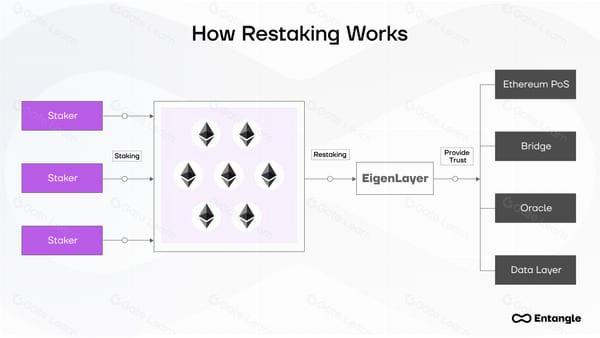
Restaking introduces additional smart contract layers. Check if the protocol has undergone independent security audits and what the slashing conditions are. If the protocol delegates to third-party operators, understand who they are and how they are monitored. Higher yields often correlate with higher operational risk.
Ensure you can exit your position if needed. Some LRTs are highly liquid on major DEXs, while others may have lower depth or higher slippage. Check the liquidity pools for your chosen token and understand any lock-up periods for restaking rewards. Liquidity is critical during market stress.
The Weak Options in Restaking Derivatives
Not every liquid restaking derivative (LRT) delivers on its yield promises. Some protocols suffer from thin liquidity, high slippage, or opaque risk layers that erode returns. Before committing capital, you need to separate the robust options from the weak ones.
High Slippage and Thin Liquidity
Many newer LRTs trade on decentralized exchanges with shallow order books. When you try to exit a position, the price impact can be significant, especially during market volatility. This slippage often outweighs the staking rewards, turning a "yield-bearing" asset into a liability. Check the 24-hour volume and liquidity depth on major DEXs like Uniswap or Curve before buying.
Opaque Risk Layers
Some restaking protocols layer multiple risks without clear disclosure. If a protocol restakes on multiple networks or uses complex derivative structures, a failure in one layer can cascade. Look for protocols that clearly outline their smart contract audits and insurance mechanisms. If the risk model is hard to understand, it is likely a weak option.
Overpromised APYs
High annual percentage yields (APYs) are often unsustainable. They may rely on volatile incentive tokens that crash in value, or they may be subsidized by protocol treasury funds that are running low. Focus on sustainable yield from staking rewards rather than inflated APYs driven by token emissions. A lower, stable yield is often safer than a high, volatile one.
Restaking derivatives 2026: what to check next
Here are the most common practical objections readers have before deploying capital into liquid restaking tokens (LRTs) and derivatives in 2026.
Can you still mine Ethereum in 2026?
No. Ethereum mining ended permanently in 2022 with the transition to proof-of-stake. There is no way to mine ETH with hardware today. Instead, investors use staking or restaking to earn yield on their ETH holdings.
Are liquid restaking tokens safe?
LRTs introduce layered smart contract risk. While they offer higher yields than standard staking, a failure in the restaking protocol or the underlying validator set can impact the token’s value. Always check if the protocol has independent audits and insurance funds.
What is the difference between LRTs and regular staking?
Regular staking locks ETH to secure the Ethereum network. Liquid restaking derivatives (LRTs) take that staked ETH and restake it to secure additional networks or services. This "double-dipping" generates extra yield but increases exposure to correlated risks across multiple protocols.
Which LRT protocol is best for 2026?
There is no single best protocol. The right choice depends on your risk tolerance. Conservative users may prefer established LRTs with deep liquidity, while those seeking higher yields might explore newer, less-tested protocols with higher APYs but greater smart contract complexity.
No comments yet. Be the first to share your thoughts!