
The 2026 Restaking Market Shift
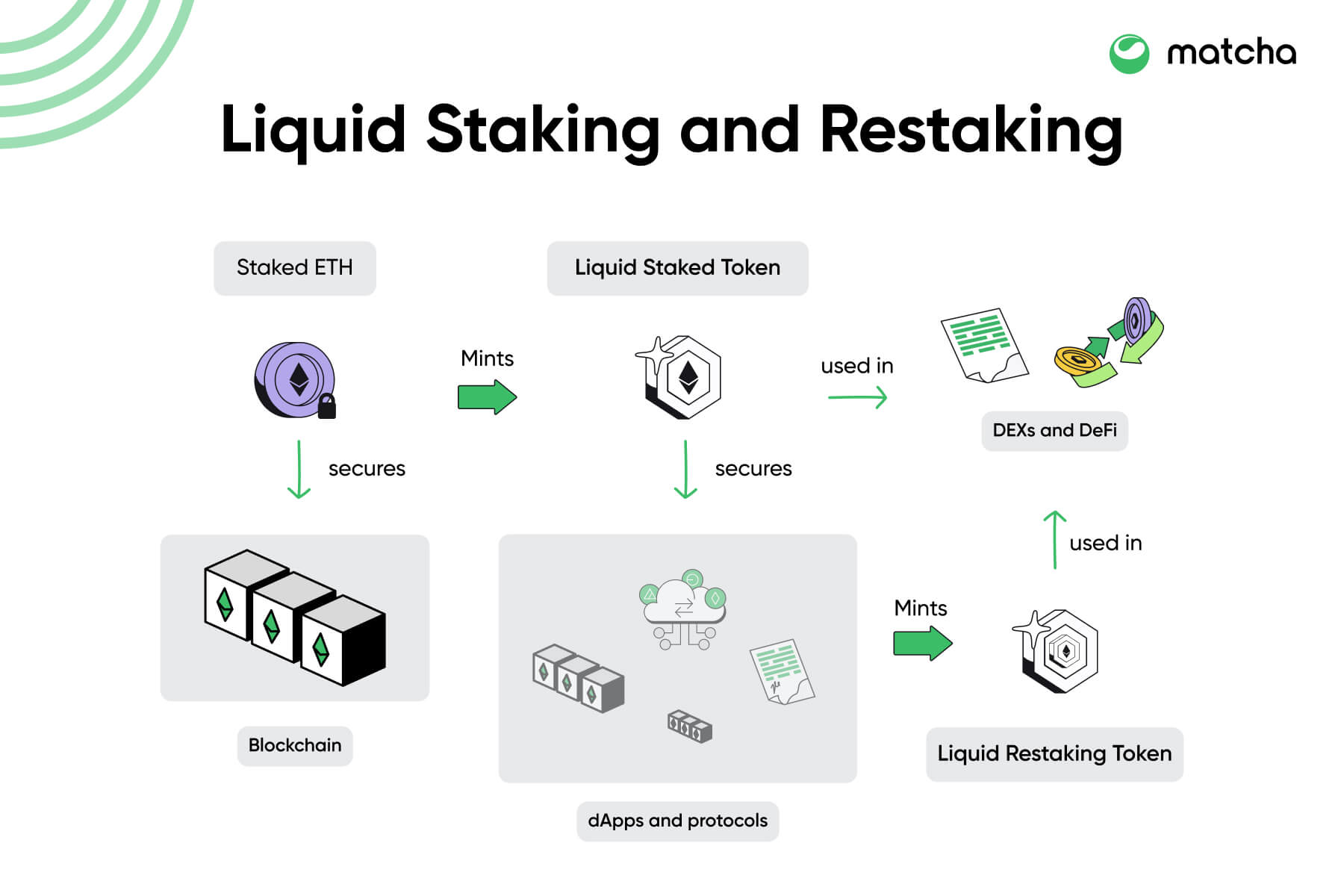
The restaking landscape has moved beyond experimental phases into institutional-grade yield optimization. Liquid Restaking Tokens (LRTs) now dominate the sector, serving as the primary vehicle for deploying staked capital across multiple protocols simultaneously. This structural shift allows validators to earn overlapping yields while maintaining the liquidity needed for active market participation.
In 2026, the pace of change is accelerating as institutions enter the space and yield models mature. The line between traditional staking and complex restaking strategies is blurring, requiring a more rigorous approach to risk assessment. Capital is no longer just parked; it is actively leveraged to support network security and decentralized application infrastructure.
This evolution demands precise risk language. While LRTs offer enhanced capital efficiency, they also introduce layered smart contract risks. Understanding the underlying mechanics of these tokens is essential for navigating the current market environment, where yield is increasingly tied to the performance of the base asset and the security assumptions of the restaking layer.
Comparing top liquid restaking tokens
Use this section to make the Restaking Derivatives decision easier to compare in real life, not just on paper. Start with the reader's actual constraint, then separate must-have requirements from details that are merely nice to have. A practical choice should survive normal use, maintenance, timing, and budget. If a recommendation only works in an ideal situation, call that out plainly and give the reader a fallback path.
| Factor | What to check | Why it matters |
|---|---|---|
| Fit | Match the option to the primary use case. | A good deal still fails if it does not fit the job. |
| Condition | Verify age, wear, and service history. | Hidden condition issues erase upfront savings. |
| Cost | Compare purchase price with likely upkeep. | The cheapest option is not always the lowest-cost option. |
How rETH Yield Works
Restaking derivatives like rETH do not generate yield from a single source. They layer multiple revenue streams on top of the base Ethereum staking reward. Understanding this structure is critical because the additional yield comes with distinct risk profiles that differ from standard liquid staking.
The foundation of rETH yield is the 3%–4% annual return from Ethereum validators. This base rate is determined by network congestion and the total amount of ETH staked. It is relatively stable but subject to network-wide changes. Restaking protocols like EigenLayer allow stakers to delegate their Ethereum security to additional "Actively Validated Services" (AVSs).
These AVSs pay premiums for the security provided by the restaked ETH. This secondary yield can significantly boost total returns, but it introduces smart contract and slashing risks. If an AVS fails or violates protocol rules, the restaked ETH may be penalized. The yield is not guaranteed; it is a compensation for assuming these specific operational risks.
Regulatory and Smart Contract Risks
Restaking amplifies yield but compounds structural exposure. Liquid restaking tokens (LRTs) allow users to stake ether across multiple protocols simultaneously, creating intricate dependency chains that regulators and auditors are closely monitoring. The primary concern centers on whether these tokens constitute unregistered securities, a classification that could trigger significant compliance burdens or market restrictions.
Beyond regulatory uncertainty, technical risks remain the most immediate threat to capital. Smart contract exploits in restaking infrastructure have historically led to substantial losses, as vulnerabilities in one layer can cascade through the entire restaking ecosystem. Slashing events—where validators are penalized for malicious or negligent behavior—are also amplified in restaking, as a single validator’s error can result in penalties across all protocols relying on that stake.
Investors must weigh these risks against potential returns. The complexity of restaking requires rigorous due diligence on both the regulatory landscape and the technical robustness of the underlying smart contracts. As the ecosystem matures, clearer guidelines and improved security audits may mitigate these risks, but the current environment demands cautious engagement.
EigenLayer 2026 trends and outlook
The restaking landscape in 2026 is shifting from experimental infrastructure to institutional-grade security. EigenLayer is no longer just a protocol; it is becoming the settlement layer for decentralized trust. As institutions enter the space, yield models are maturing, blurring the line between traditional staking and active cryptographic assurance.
The primary driver of this evolution is the integration of Real-World Assets (RWA). Tokenized treasuries and invoices are beginning to anchor restaking yields, providing a more stable floor than pure crypto-native speculation. This structural shift reduces reliance on volatile incentive tokens, making restaking a viable component for conservative capital allocation.
However, risk remains the central constraint. The concentration of staked ETH in a few major liquid staking providers creates systemic fragility. A failure in one layer can cascade through the entire restaking ecosystem. Investors must scrutinize the slashing conditions and the technical robustness of each Active Output Provider (AOP) rather than chasing raw APY.
Institutional adoption will likely be gated by regulatory clarity and the standardization of custody solutions. Until then, restaking remains a high-stakes strategy best suited for those who can actively monitor smart contract risk. The yield is real, but the exposure to protocol failure is equally tangible.
Common Questions About Restaking
Restaking introduces structural leverage that amplifies both yield and systemic risk. Understanding the mechanics behind common misconceptions is essential for capital preservation.
The shift from mining to staking fundamentally changed Ethereum’s security model. While restaking protocols like EigenLayer introduce new vectors for smart contract risk, they do not alter the underlying consensus mechanics that prevent 51% attacks.
No comments yet. Be the first to share your thoughts!