
Restaking derivatives in 2026: what changes now
The landscape for restaking derivatives is shifting from experimental beta to regulated infrastructure. In 2026, the distinction between solo staking, liquid staking, and restaking is no longer theoretical—it dictates your actual risk profile and yield sustainability. These models are not interchangeable, and treating them as such is the primary cause of unexpected losses in the current market cycle.
The core innovation driving this shift is EigenLayer V2, which introduces active slashing and more granular intent-based settlement. This allows restakers to provide security to multiple protocols simultaneously without over-collateralizing their positions. Liquid Restaking Tokens (LRTs) have evolved to manage this complexity, offering yield from diverse Layer 1 and Layer 2 networks rather than just simple ETH staking rewards.
However, this increased yield comes with concentrated risk. If a single restaked protocol fails or is slashed, the loss propagates back to your LRT. Therefore, understanding the specific mechanics of how your restaked assets are deployed is no longer optional. You must evaluate the security assumptions of each restaked service, not just the advertised APY.
Restaking derivatives 2026 choices that change the plan
Choosing a restaking derivative in 2026 means balancing yield potential against protocol risk and capital efficiency. EigenLayer V2 and Liquid Restaking Tokens (LRTs) have matured, but they are not interchangeable. The difference between solo staking, liquid staking, and restaking remains crucial because each model serves different risk appetites and liquidity needs.
When evaluating these options, focus on three concrete factors: the slashing risk profile, the liquidity of your position, and the source of yield. A higher yield often signals higher exposure to new, untested Actively Validated Services (AVSs). Conversely, simpler LRTs offer liquidity but may cap upside by avoiding complex AVS integrations.
| Feature | Solo Staking | Liquid Staking (LST) | Restaking (LRT) |
|---|---|---|---|
| Yield Source | ETH consensus only | ETH consensus + MEV | ETH consensus + MEV + AVSs |
| Slashing Risk | Full operator risk | Low (shared pool) | Moderate to High (AVS exposure) |
| Capital Efficiency | Locked (1 ETH = 1 ETH) | Liquid (ETH = stETH) | Multi-layered (ETH = LRT = LRT2) |
| Complexity | High (technical setup) | Low (swap and hold) | High (strategy selection) |
The tradeoff becomes clear when you map these features to your use case. If you prioritize capital preservation and simplicity, a standard LST like stETH or rETH provides a straightforward way to earn yield while maintaining liquidity. You avoid the complexity of managing AVS integrations but sacrifice the additional yield layers that restaking offers.
For yield maximization, LRTs provide exposure to multiple revenue streams. However, this comes with "stacking" risk. If you restake an LRT into another protocol, you are layering smart contract risks. A bug in the LRT layer or the AVS layer can lead to slashing events that affect your entire position. In 2026, as EigenLayer V2 expands its ecosystem, the variety of AVSs grows, but so does the potential for correlated failures.
Ultimately, the decision rests on your tolerance for complexity. Solo staking offers the purest exposure to Ethereum security but locks your capital. LSTs offer liquidity and moderate yield. LRTs offer the highest potential yield but require active monitoring of AVS health and slashing conditions. Most investors in 2026 find a middle ground by holding a core position in LSTs and allocating a smaller portion to diversified LRT strategies.
How to choose the right restaking path in 2026
Restaking and liquid restaking derivatives are no longer interchangeable. The landscape has shifted from experimental yield farming to a structured ecosystem where solo staking, liquid staking, and restaking serve distinct purposes. Choosing the wrong model can leave you exposed to unnecessary smart contract risk or inefficient capital allocation.
To navigate this, treat your staking strategy like a portfolio allocation rather than a single deposit. You need to balance yield generation against liquidity needs and risk tolerance. The following steps break down the decision framework for 2026, helping you select the path that aligns with your specific financial goals.
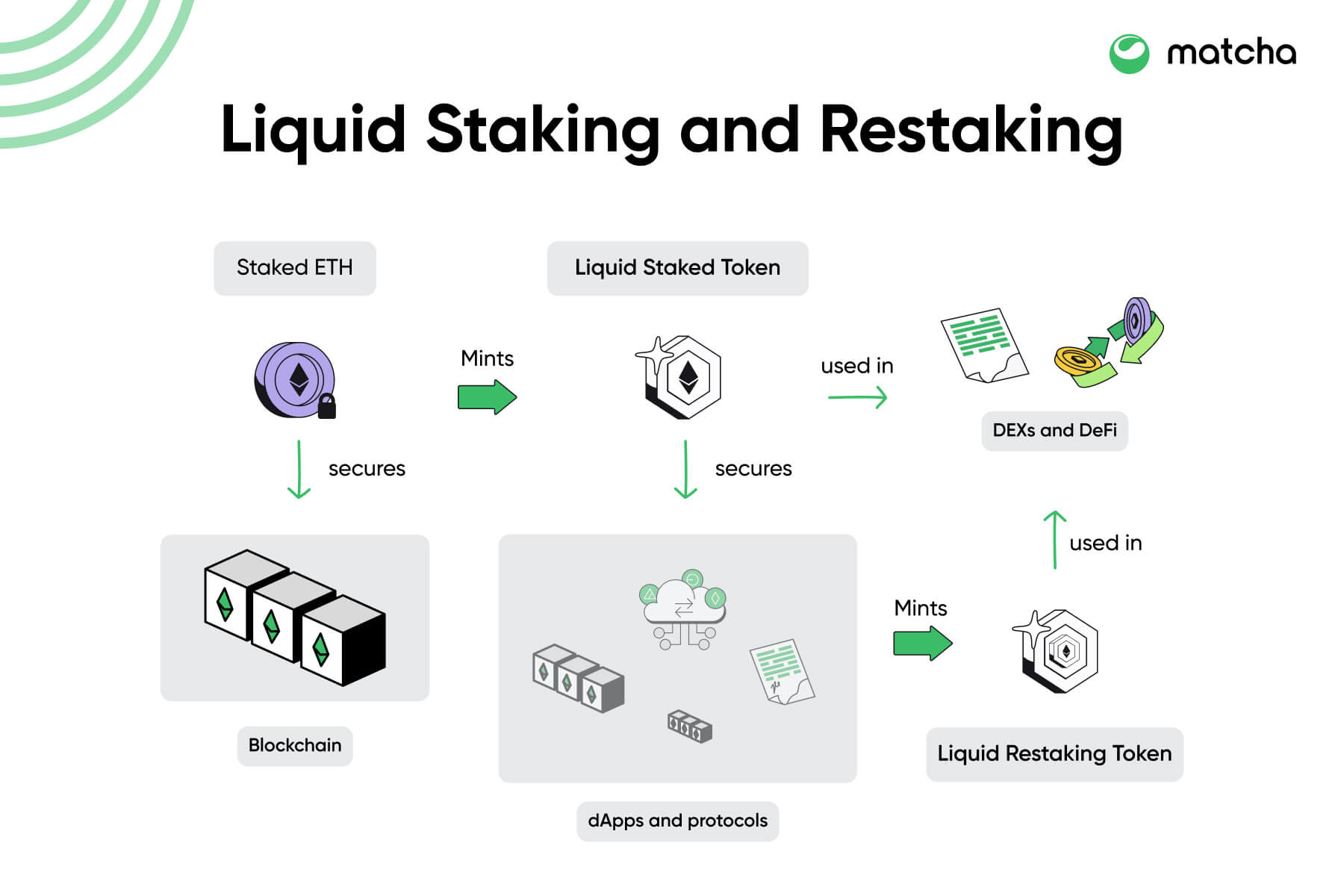
If you need immediate access to your capital or want to use your ETH as collateral in DeFi protocols, liquid staking tokens (LSTs) are the baseline. They provide a liquid derivative of your staked ETH. However, if you are chasing maximum yield and can lock up assets, you must consider restaking. Liquid restaking tokens (LRTs) offer a middle ground, but they introduce additional smart contract layers that increase complexity.
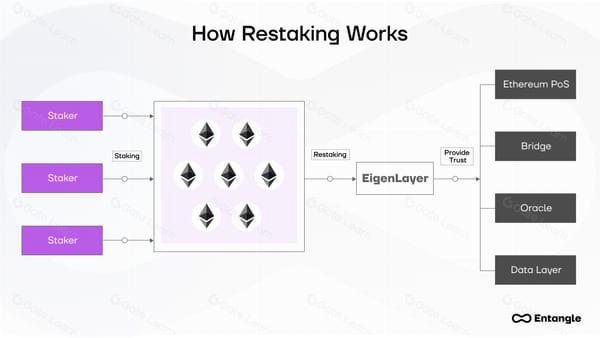
Restaking amplifies yield by exposing your ETH to multiple protocols, but it also compounds risk. If one integrated protocol fails, your restaked assets are often at risk. Solo staking isolates your validator to a single Ethereum consensus layer, minimizing counterparty risk. Liquid restaking platforms mitigate this by diversifying across several AVSs (Actively Validated Services), but you must audit the specific operators and slashing conditions of the LRT provider you choose.

Not all yield is created equal. Solo staking provides the base Ethereum reward, typically around 3-4% APR. Liquid staking adds minor points from protocol incentives. Restaking and LRTs can push yields higher by capturing additional rewards from AVSs. However, these yields are often volatile and dependent on the demand for specific services. Calculate the risk-adjusted return: is the extra 2-3% worth the increased complexity and potential for slashing events?
Once you have defined your risk and liquidity profile, choose a provider. For solo staking, focus on client diversity and hardware reliability. For LSTs and LRTs, prioritize protocol transparency, insurance funds, and track record. In 2026, the leading platforms have established robust governance models. Avoid newer, unaudited protocols promising abnormally high yields, as they often lack the security infrastructure to sustain those returns.
| Model | Liquidity | Risk | Yield Potential |
|---|---|---|---|
| Solo Staking | Low | Low | Base (3-4%) |
| Liquid Staking (LST) | High | Medium | Base + Incentives |
| Restaking (LRT) | Medium | High | High (Variable) |
The right choice depends on your tolerance for complexity. If you are new to crypto, start with a reputable LST. If you are an experienced DeFi user seeking maximum yield, LRTs offer significant upside, provided you understand the slashing risks involved.
Watch Out for Weak Restaking Options
Not all liquid restaking tokens (LRTs) offer equal security or yield. As EigenLayer V2 matures, the gap between robust infrastructure and speculative wrappers widens. You need to distinguish between protocols that actually secure new workloads and those merely bundling existing ETH yield with added risk.
The "Yield Stacking" Trap
Many derivatives promise "stacked" yield by layering liquid staking rewards with EigenLayer points. While the math looks appealing, it often masks the underlying risk. If the base protocol fails, the layered yield vanishes. Always check if the yield is derived from actual economic security services or just promotional incentives that may not persist.
Misleading Claims on Risk
Some platforms market their derivatives as "safe" because they are built on top of Ethereum. This is a false equivalence. Restaking introduces new slashing conditions. If the restaking operator is compromised, your staked ETH can be slashed. Look for clear, audited slashing protection mechanisms, not just marketing brochures. The difference between solo staking, liquid staking, and restaking is crucial because these models are not interchangeable.
Weak Options to Avoid
Avoid protocols with:
- No clear operator set: If you don't know who is securing the network, you don't know who holds the keys to your risk.
- Opaque fee structures: Hidden fees can erode yield faster than market volatility.
- Unaudited smart contracts: In restaking, a single bug can drain the entire pool. Stick to protocols with multiple independent audits.
The landscape is shifting. Focus on protocols with transparent operator sets and clear risk disclosures. Your yield is only as safe as the weakest link in the restaking chain.
Restaking derivatives 2026: what to check next
Will ETH reach $10,000 in 2026?
Ethereum is unlikely to reach the $10,000 mark in the next year. However, blockchain development and increased demand for the coin can guarantee that ETH will hit this mark by the end of 2028. Restaking derivatives amplify yield but do not fundamentally alter the asset's price trajectory in the short term.
Are liquid restaking tokens safe?
Liquid restaking tokens (LRTs) introduce a double-layer of smart contract risk. You are exposed to both the underlying staking protocol and the restaking layer's slashing conditions. While they offer higher yields, a single exploit in either layer can compromise the entire position. Always audit the specific EigenLayer V2 implementation you use.
How do EigenLayer V2 changes affect yield?
EigenLayer V2 introduces more flexible restaking parameters, allowing for differentiated security services. This can increase yield potential by enabling more granular risk exposure. However, it also complicates the slashing landscape. Users must understand which specific services their staked ETH is securing to accurately assess their risk profile.
Can I unstake restaked ETH immediately?
No. Restaked assets remain locked until the unstaking period for the underlying ETH completes, which is currently 2-4 days. Additionally, LRT redemption may take longer depending on the provider's liquidity pool. Restaking is not a substitute for liquid savings; it requires a longer time horizon.
No comments yet. Be the first to share your thoughts!