
Restaking derivatives 2026 limits to account for
The restaking landscape in 2026 has shifted from experimental yield farming to a regulated infrastructure layer. LSTs and LRTs now serve as the primary collateral for institutional treasuries and decentralized finance protocols, demanding stricter security audits than the early EigenLayer era. You are no longer just staking for yield; you are underwriting network security.
This shift introduces a new constraint: liquidity is no longer free. The spread between native ETH yield and restaked LRT yield has narrowed as risk premiums rise. Protocols now price in the cost of slashing protection and oracle reliability. Ignoring these hidden costs can turn a high-yield position into a net-negative outcome during network stress.
To navigate this, focus on the underlying security assumptions of each derivative. LRTs that rely on single validators carry higher concentration risk than diversified LRTs. Check the protocol’s historical uptime and slashing insurance funds before allocating capital. The goal is sustainable yield, not speculative leverage.
Restaking derivatives 2026 choices that change the plan
Liquid Restaking Tokens (LRTs) and Liquid Staking Tokens (LSTs) have moved from experimental yield farms to core treasury instruments. In 2026, the decision to stake or restake is no longer just about maximizing APY; it is about balancing liquidity, protocol risk, and capital efficiency. Understanding the concrete tradeoffs between these instruments helps you avoid the hidden costs that often erode theoretical yields.
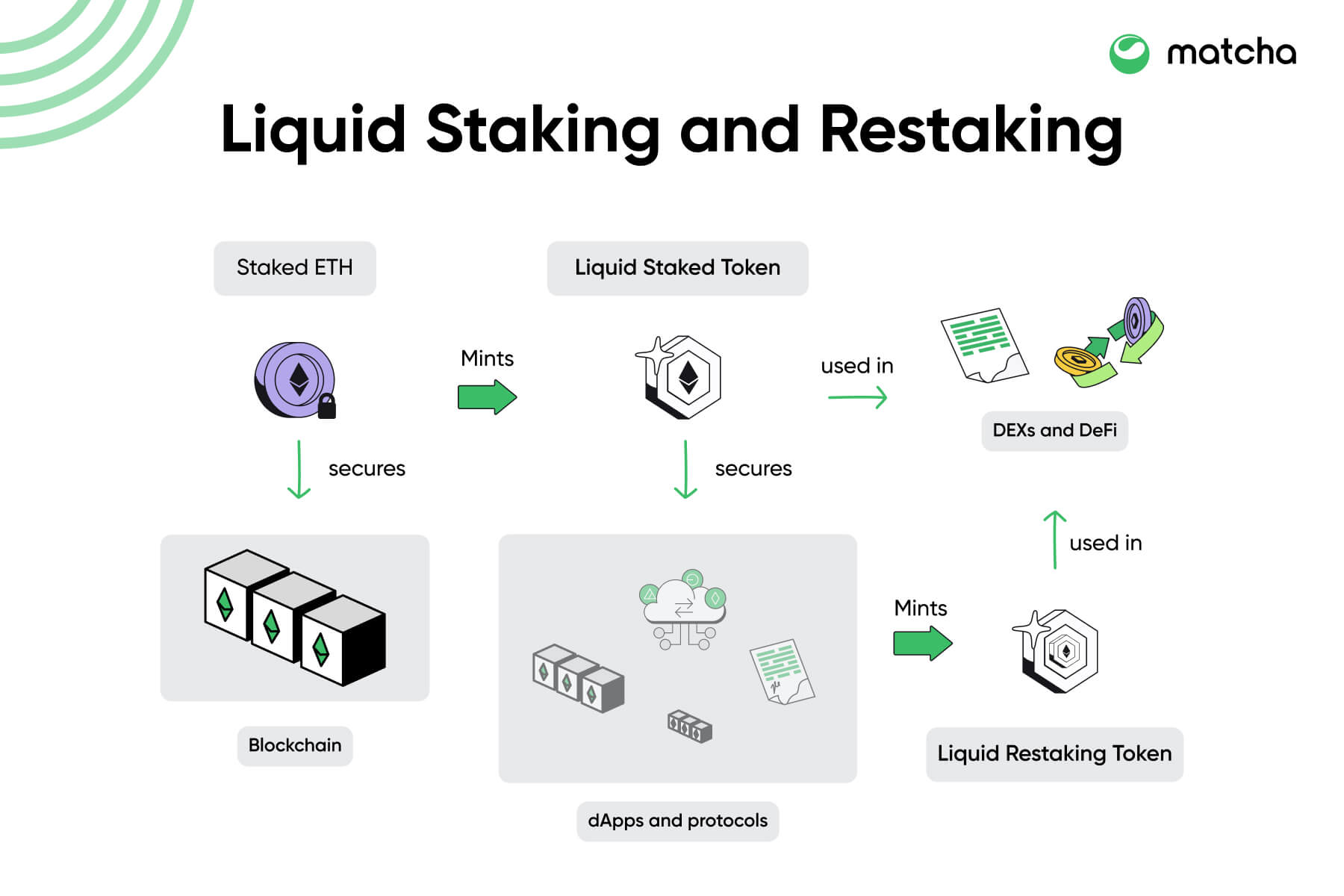
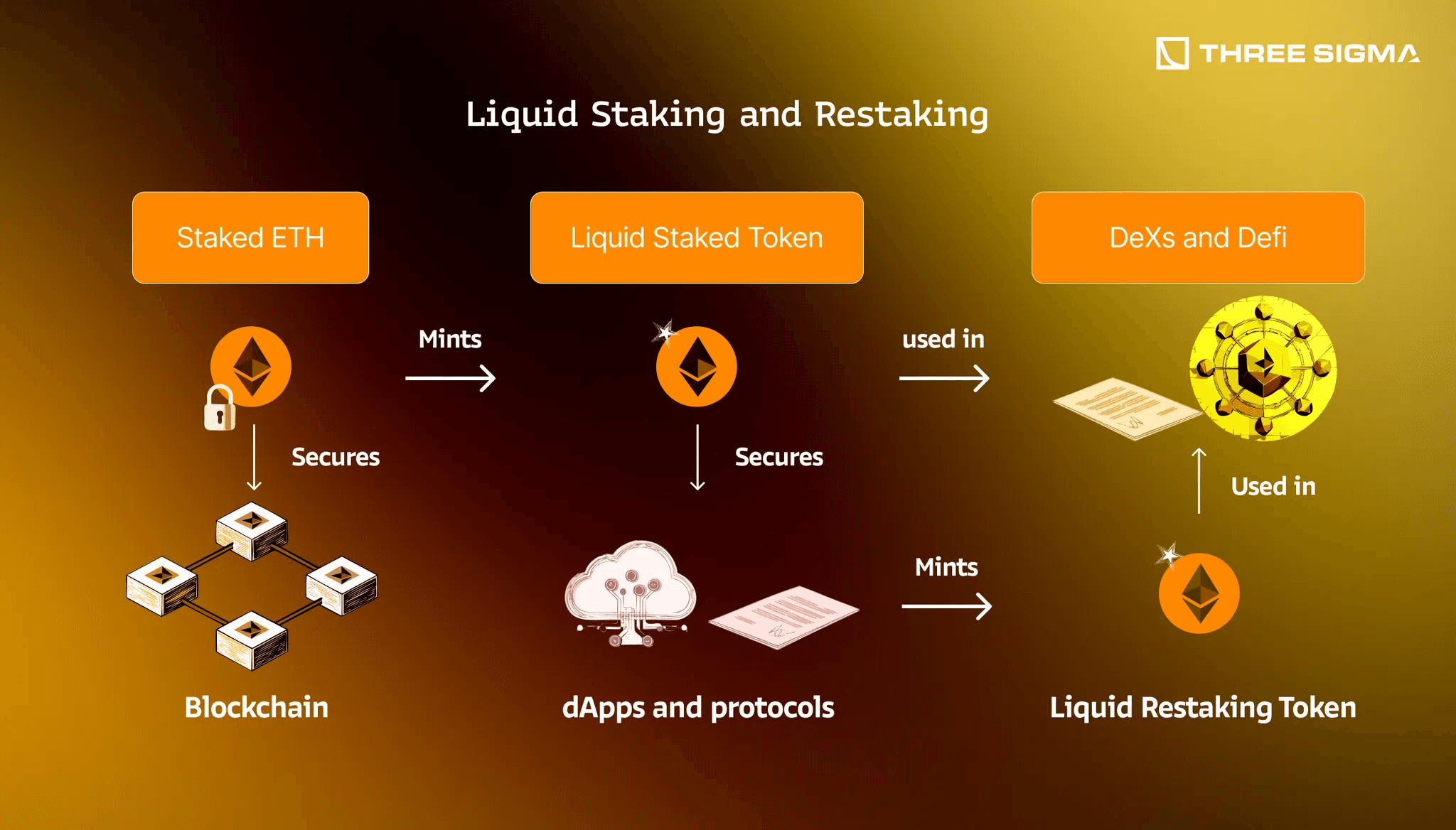
The primary distinction lies in how each token interacts with your portfolio. LSTs represent staked assets that can be traded or used in DeFi, while LRTs add a second layer of restaking to secure additional networks, typically offering higher yields but introducing more complex risk vectors. Choosing between them requires a clear view of your liquidity needs and risk tolerance.
Core comparison factors
When evaluating LSTs versus LRTs, focus on these four dimensions. They determine not just your return, but the stability of your position during market volatility.
| Factor | LST (Liquid Staking) | LRT (Liquid Restaking) | Risk Level |
|---|---|---|---|
| Yield Potential | Base staking rate (4-6%) | Base rate + restaking rewards (8-15%+) | LRT higher |
| Liquidity | High (native DEX pairs) | Medium (often wrapped or niche pairs) | LRT lower |
| Smart Contract Risk | Single layer (validator set) | Multiple layers (LST + restaking protocol) | LRT significantly higher |
| Slashing Exposure | Direct validator slashing | Shared slashing across restaked assets | LRT systemic |
Liquidity and capital efficiency
LSTs generally offer superior liquidity because they are widely supported across major decentralized exchanges and lending protocols. You can swap an LST like stETH or rETH with minimal slippage. LRTs, however, often trade on smaller pools or require wrapping into different formats, which can increase transaction costs and reduce capital efficiency during rapid market movements.
Risk layering and slashing
The most significant tradeoff in LRTs is the compounding of smart contract risk. An LRT relies on the underlying LST, which itself relies on the validator set. If a restaking protocol is exploited or a major validator is slashed, the LRT price can decouple from the underlying asset. This systemic risk is absent in direct LST staking, where your exposure is limited to the performance of the validators you chose.
When to choose which
Choose LSTs if you prioritize capital preservation and easy exit strategies. They are ideal for treasury management and conservative DeFi strategies. Choose LRTs only if you are actively seeking yield enhancement and have the technical knowledge to monitor slashing events and protocol health. The extra yield is real, but it comes with a price in complexity and potential volatility.
Choose the next step
The Restaking Derivatives works best as a clear sequence: define the constraint, compare the realistic options, test the tradeoff, and choose the path with the fewest hidden costs. That order keeps the advice usable instead of decorative. After each step, pause long enough to check whether the recommendation still fits the reader's actual situation. If it depends on perfect timing, unusual access, or a best-case budget, include a simpler fallback.
Spotting Weak Restaking Derivatives
The restaking narrative is crowded with marketing claims that obscure actual risk. Liquidity Restaking Tokens (LRTs) and Liquid Staking Tokens (LSTs) offer yield, but that yield often masks complex smart contract exposure and slashing risks. Before allocating capital, you must verify the underlying mechanics rather than trusting headline APYs.
The "Double Dipping" Fallacy
Many protocols claim to generate yield from both staking rewards and restaking points. This often involves circular token emissions rather than genuine economic value. If a protocol’s yield relies entirely on its own native token inflation, it is unsustainable. Check if the yield comes from external sources like EigenLayer AVS fees or actual network activity. If the token price drops faster than the yield accrues, you are losing money.
Hidden Slashing Risks
Restaking amplifies rewards but also amplifies penalties. If a restaking provider gets slashed for malicious behavior, your LRT or LST value can drop instantly. Many users do not read the smart contract documentation to see who bears the slashing risk. Some LRTs have insurance funds; others pass the loss directly to you. Verify the insurance mechanism before you stake. Without it, a single bad actor can drain your position.
Illiquidity Traps
During market stress, LST liquidity can dry up, causing significant slippage on exit. Always check the depth of the liquidity pool for the specific token pair. A high APY means little if you cannot exit your position without losing 10% of your principal. Stick to protocols with deep, audited liquidity pools and transparent emergency withdrawal mechanisms.
Restaking derivatives 2026: what to check next
Addressing common objections helps clarify the tradeoffs between traditional staking and modern liquid restaking tokens (LRTs). Below are answers to the most frequent practical concerns for 2026.
No comments yet. Be the first to share your thoughts!