
Restaking derivatives 2026 limits to account for
Use this section to make the Restaking Derivatives decision easier to compare in real life, not just on paper. Start with the reader's actual constraint, then separate must-have requirements from details that are merely nice to have. A practical choice should survive normal use, maintenance, timing, and budget. If a recommendation only works in an ideal situation, call that out plainly and give the reader a fallback path.
The simplest way to use this section is to write down the must-have criteria first, then compare each option against those criteria before weighing nice-to-have features.
Restaking derivatives 2026 choices that change the plan
Choosing between rETH, cbETH, or other liquid restaking tokens (LRTs) requires evaluating yield composition, smart contract exposure, and liquidity depth. These derivatives are not interchangeable; each carries distinct risk profiles regarding validator slashing, protocol centrality, and DeFi compatibility.
Yield Structure and Composition
Yield on restaking derivatives comes from three sources: Ethereum staking rewards, restaking protocol fees, and optional MEV (Maximal Extractable Value) sharing. rETH typically offers a smoother, lower-yield path focused primarily on native ETH staking returns with minimal extra risk. cbETH and similar assets may offer higher nominal yields by integrating additional restaking layers, but this introduces complexity and potential variance.
Readers should check whether the yield includes volatile components like LRT-specific incentives. If the protocol subsidizes yields with token emissions, those returns may not be sustainable. Compare the base APY against the actual risk-adjusted return. A higher yield often signals higher smart contract or counterparty risk.
Smart Contract and Centralization Risk
Restaking derivatives amplify exposure to smart contract vulnerabilities. When you stake ETH into a liquid staking protocol and then restake it, you are exposing your capital to multiple layers of code. Each additional layer—validator operator, restaking oracle, liquidity pool—introduces potential failure points.
Centralization is another concern. Some LRTs rely on a single validator operator or a small consortium. If that operator is slashed or goes offline, the derivative’s value can drop. Diversified validator sets reduce this risk. Always review the validator distribution and whether the protocol has insurance mechanisms for slashing events.
Liquidity and DeFi Compatibility
Liquidity determines how easily you can exit or use the derivative in DeFi. rETH has deep liquidity across major DEXs and lending protocols, making it highly compatible. cbETH also has strong liquidity but may have restrictions in certain lending markets due to its variable exchange rate or regulatory scrutiny.
Some LRTs face regulatory headwinds that limit their use in compliant DeFi protocols. If you plan to use your restaked assets for borrowing or collateral, verify that the derivative is accepted by your target platforms. Poor liquidity can trap capital during market stress, forcing you to sell at a discount.
Comparison Table
| Factor | rETH | cbETH | Other LRTs |
|---|---|---|---|
| Yield Source | ETH staking + minimal restaking | ETH staking + aggressive restaking | Varies by protocol |
| Smart Contract Risk | Lower (single layer) | Higher (multiple layers) | Variable |
| Validator Diversification | High | Medium | Low to Medium |
| DeFi Compatibility | Broad | Broad but restricted in some | Limited |
| Liquidity Depth | Very High | High | Low to Medium |
| Regulatory Scrutiny | Moderate | High | High |
Decision Framework
If your priority is safety and ease of use, rETH offers the most straightforward path with lower yield but minimal complexity. If you seek higher yields and are comfortable with increased risk, cbETH or other LRTs may fit, but you must monitor validator performance and protocol updates closely. Always diversify across protocols to mitigate single-point failures.
| Factor | rETH | cbETH | Other LRTs |
|---|---|---|---|
| Yield Source | ETH staking + minimal restaking | ETH staking + aggressive restaking | Varies by protocol |
| Smart Contract Risk | Lower (single layer) | Higher (multiple layers) | Variable |
| Validator Diversification | High | Medium | Low to Medium |
| DeFi Compatibility | Broad | Broad but restricted in some | Limited |
| Liquidity Depth | Very High | High | Low to Medium |
| Regulatory Scrutiny | Moderate | High | High |
Choose the next step for your restaking strategy
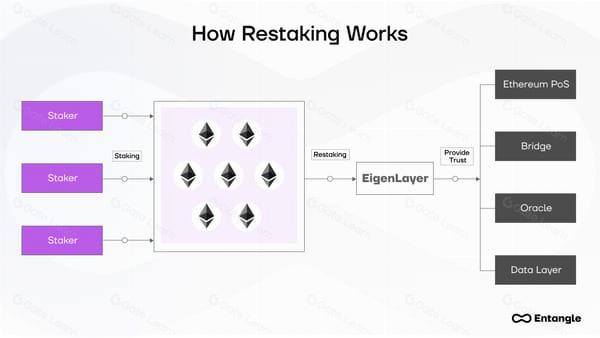
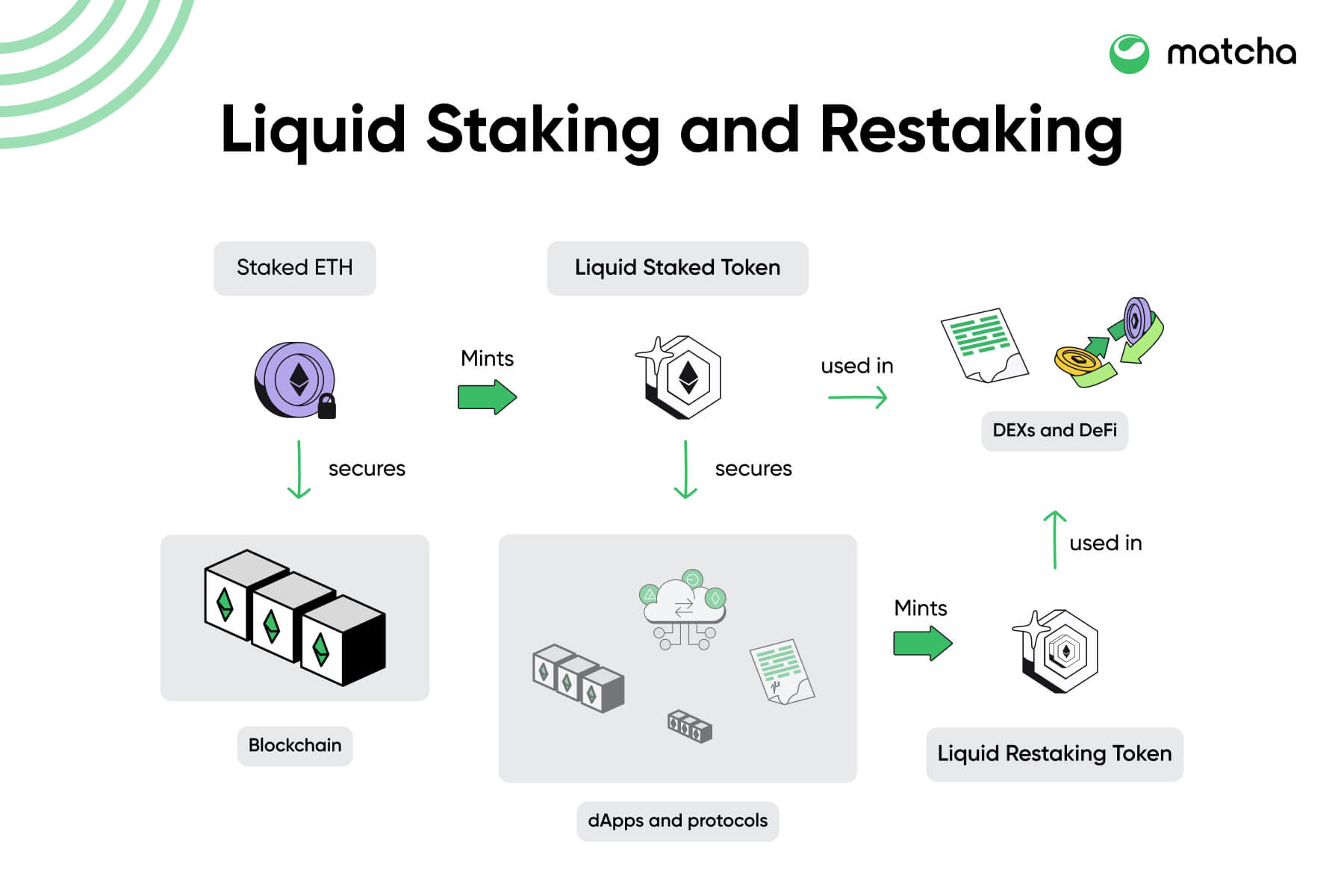
Restaking derivatives like rETH and cbETH are not interchangeable assets. The difference between solo staking, liquid staking, and restaking is crucial in 2026 because the risk profiles diverge significantly. You must choose a path based on your tolerance for smart contract risk versus capital efficiency.
1. Assess your risk tolerance
Liquid restaking tokens (LRTs) like cbETH allow you to earn yield from multiple protocols simultaneously, but they introduce complex smart contract risks. If a downstream protocol fails, your restaked assets may be at risk. Solo staking offers the highest security but requires technical expertise and significant capital. Liquid staking (LSTs) like rETH sits in the middle, offering liquidity with lower risk than restaking.
2. Compare liquidity needs
If you need to access your capital quickly, LSTs like rETH are tradable on most major exchanges. LRTs like cbETH are also liquid but may trade at a discount or premium depending on market sentiment and protocol health. Solo staking is illiquid; you cannot easily sell your staked ETH without exiting the validator set, which takes time and may involve penalties.
3. Evaluate yield sources
Restaking yields come from Ethereum consensus rewards plus additional rewards from restaking protocols. These additional rewards are not guaranteed and can fluctuate wildly. Liquid staking yields are generally more stable, derived primarily from Ethereum consensus rewards and MEV. Solo staking yields are purely from consensus rewards and MEV, with no additional protocol rewards.
| Strategy | Risk Level | Liquidity | Yield Source |
|---|---|---|---|
| Solo Staking | Low | Low | Consensus + MEV |
| Liquid Staking (rETH) | Medium | High | Consensus + MEV |
| Restaking (cbETH) | High | Medium | Consensus + MEV + Restaking Rewards |
Watchouts: Misleading Claims and Weak Options
Restaking derivatives like rETH and cbETH offer yield, but they carry structural risks that marketing often obscures. Before allocating capital, you must separate genuine yield from borrowed leverage and understand the specific failure modes of each protocol.
The LRT Yield Illusion
Many liquid restaking tokens (LRTs) advertise double-digit APYs by stacking Ethereum staking rewards with restaking points. This is not free money; it is risk-adjusted return. The yield often comes from protocol incentives that can vanish overnight or from exposure to additional smart contract layers. If the underlying restaking protocol suffers a slashing event, your principal is at risk, not just the yield.
Counterparty and Slashing Risk
When you deposit into a restaking vault, you are trusting multiple operators. If an operator misbehaves or gets slashed, the penalty is deducted from your stake. Unlike solo staking where you control the node, LRT providers manage the infrastructure. Check if the protocol offers slashing insurance or if the risk is fully borne by the token holder. Most do not.
Liquidity Traps
During market stress, the peg of derivatives like cbETH or rETH can decouple from ETH. While arbitrageurs usually correct this, wide spreads can trap liquidity. Always check the depth of the liquidity pools for your specific derivative before entering a position. Thin markets mean higher slippage and potential exit difficulties.
Regulatory Scrutiny
Liquid restaking operates in a regulatory gray area. As noted by legal analysts, the classification of LRTs as securities is a growing concern. This uncertainty could impact listing availability on major exchanges or the ability to use these assets as collateral. Monitor regulatory developments closely, as a crackdown could depress prices independently of market fundamentals.
No comments yet. Be the first to share your thoughts!