
EigenLayer's restaking TVL has surged to $12.9 billion as of March 11,2026, with Ethereum's price steady at $2,024.25 despite a 1.56% dip over the last 24 hours. This milestone underscores the relentless hunger for EigenLayer LST restaking derivatives, where savvy stakers layer yields on staked ETH to outpace vanilla staking's meager returns. Forget the hype; charts confirm restaking's grip on DeFi's yield meta, even as AVS rewards fluctuate.
In this restaking TVL $12.5B analysis - now comfortably eclipsed - we zero in on the top performers. Liquid restaking tokens like weETH from Ether. fi, ezETH from Renzo, swETH from Swell Network, pufETH from Puffer Finance, and rsETH from Kelp DAO dominate EigenLayer's operator pods. These aren't just wrappers; they're yield amplifiers, blending base staking APYs with AVS points and protocol incentives for 2026 liquid restaking yields that can hit double digits.

EigenLayer's TVL Surge Signals Yield Wars Ahead
The jump from $12.5 billion to $12.9 billion in short order reflects Ethereum stakers' pivot to restaking. At ETH's current $2,024.25, locking up assets here means exposing them to Actively Validated Services beyond mere consensus security. Platforms like Ether. fi and Renzo have funneled billions into these LSTs, with weETH leading the pack by TVL. Why? Because restaking derivatives unlock DeFi restaking strategies 2026 that compound without the liquidity crunch of native restaking.
Consider the mechanics: Deposit LSTs into EigenLayer, earn AVS rewards atop staking yields, then unwrap or loop into DeFi for further leverage. It's a flywheel, but not without risks - operator slashing or correlated failures loom. Yet, with TVL at $12.9 billion, the market bets on diversification across pods. Liquid restaking tokens (LRTs) are the secret sauce, preserving composability while stacking returns.
Top 5 LST Derivatives: TVL Kings and APY Beasts
Drilling down, here's the elite quintet by TVL on EigenLayer, each tuned for 10% and APYs in 2026's restaking arena:
- weETH (Ether. fi): Ether. fi's flagship boasts massive TVL inflows, leveraging auto-compounding and seamless DeFi integrations. Expect base yields plus EigenLayer points pushing effective APYs toward 15% in bull scenarios.
- ezETH (Renzo): Renzo's ezETH shines with an estimated max APY of 12.07%, merging LST rewards and AVS fees. Its pod efficiency makes it a EigenLayer operator pods comparison darling.
- swETH (Swell Network): Swell emphasizes community governance and native yield boosts, carving a niche with sticky liquidity pools across DEXes.
- pufETH (Puffer Finance): Puffer's protocol innovates with permissionless validation, drawing TVL for its high-reward, low-friction entry into restaking.
- rsETH (Kelp DAO): Kelp rounds out the list with DAO-driven strategies, optimizing for long-tail yields via diversified AVS exposure.
Ethereum (ETH) Price Prediction 2027-2032: EigenLayer Restaking and LST Yield Optimization Impact
Forecasts based on $12.9B EigenLayer TVL, LST derivatives (weETH, ezETH, swETH, pufETH, rsETH) APY trends, DeFi growth, and market cycles as of March 2026 (ETH at $2,024)
| Year | Minimum Price | Average Price | Maximum Price |
|---|---|---|---|
| 2027 | $1,800 | $3,200 | $5,500 |
| 2028 | $2,200 | $4,500 | $8,000 |
| 2029 | $2,800 | $6,200 | $11,500 |
| 2030 | $3,500 | $8,000 | $15,000 |
| 2031 | $4,500 | $10,500 | $19,000 |
| 2032 | $5,500 | $13,000 | $25,000 |
Price Prediction Summary
ETH prices are projected to grow progressively from 2027-2032, driven by EigenLayer's restaking boom (TVL >$12.9B) and high APY LSTs like ezETH (up to 12%). Bearish mins reflect potential corrections (20-30% drops); bullish maxes assume DeFi adoption and cycles push ETH to $25K by 2032, with avg ~6x from 2026 baseline amid regulatory tailwinds and upgrades.
Key Factors Affecting Ethereum Price
- EigenLayer TVL expansion and LST restaking yields (weETH, ezETH, etc.) boosting ETH utility
- Ethereum scalability upgrades (e.g., Dencun effects persisting) and L2 growth
- DeFi yield optimization trends with 10-12% APYs attracting capital
- Market cycles aligned with BTC halvings and ETF inflows
- Regulatory developments favoring restaking and institutional adoption
- Macro risks: competition from Solana/Jito, economic downturns limiting mins
Disclaimer: Cryptocurrency price predictions are speculative and based on current market analysis. Actual prices may vary significantly due to market volatility, regulatory changes, and other factors. Always do your own research before making investment decisions.
These tokens aren't equal; weETH's TVL edge stems from Ether. fi's aggressive incentives, while ezETH's APY edge comes from Renzo's fee capture. In a world where ETH sits at $2,024.25, picking winners means weighing TVL momentum against yield sustainability. Restaking yields may fib, but TVL at $12.9 billion doesn't - it's battle-tested capital chasing alpha.
Yield Optimization Playbook: Layering LSTs Smartly
To harness these derivatives, start with an LST like stETH or cbETH, restake via one of the top five, then deploy into lending protocols or perps for extra kick. Ether. fi's weETH, for instance, slots effortlessly into Curve pools, amplifying basis trades. Renzo's ezETH pairs well with Ethena's sUSDe for stablecoin-adjacent yields, blending restaking with synthetic dollars.
But here's the wit: While TVL balloons to $12.9 billion, not all AVS deliver. Recent unwinds have squeezed yields below 0.3% on some ETH restakes, per industry chatter. Smart money rotates to high-TV L pods like those backing weETH and swETH, where diversification dulls the edge.
Operators behind pufETH and rsETH follow suit, spreading bets across mature AVSs to buffer against the yield famines. In EigenLayer's operator pods comparison, these LRTs stand out for their pod allocations - weETH taps Ether. fi's vast network, ezETH leverages Renzo's optimized routes, and swETH benefits from Swell's governance edge. The result? Compounded 2026 liquid restaking yields that shrug off single-AVS flops.
Top 5 LST Derivatives by TVL on EigenLayer
| TVL Rank | Token | Est. Max APY | Key Strength | Risk Factor |
|---|---|---|---|---|
| 1 | weETH (Ether.fi) | 13.5% | High liquidity on major DEXs 🪙 | Medium slashing risk ⚠️ |
| 2 | ezETH (Renzo) | 12.07% | Strong AVS rewards & incentives 💰 | High AVS exposure 🔥 |
| 3 | swETH (Swell Network) | 11.8% | Protocol partnerships & integrations 🤝 | Moderate liquidity risk 📉 |
| 4 | pufETH (Puffer Finance) | 14.2% | Points system & yield boosts 🎯 | New protocol risk 🆕⚠️ |
| 5 | rsETH (Kelp DAO) | 10.5% | DAO governance & community focus 👥 | Lower TVL risk 📊 |
Numbers tell the tale: weETH commands the throne with TVL dominance, but ezETH nips at its heels on pure yield velocity. Puffer's pufETH disrupts with its validation hooks, potentially juicing returns if AVS adoption accelerates. Kelp's rsETH, meanwhile, plays the DAO long game, accruing value through community-voted rotations. At ETH's $2,024.25 perch, a $10,000 position in these could net $1,200 and annually - if yields hold north of 12%.
Risk-Adjusted Restaking: Beyond the Hype
Diversification isn't foolproof. Correlated ETH price drops - like today's 1.56% slide to $2,024.25 - amplify LST depegs, while operator centralization risks slashing events. Swell Network's swETH mitigates via decentralized nodes, but Puffer Finance's permissionless model invites fly-by-night validators. Charts don't lie: TVL spikes mask drawdowns, as seen when restaking yields dipped below 0.3%. Yet, with $12.9 billion locked, the protocol's security budget swells, theoretically stabilizing rewards.
Smart DeFi restaking strategies 2026 layer defenses: Allocate 40% to weETH for liquidity, 30% ezETH for yield punch, 20% swETH for governance alpha, and split the rest between pufETH and rsETH for upside bets. Monitor pod performances weekly; rotate out underperformers before points dilute.
Battle-Tested Tactics: From Deposit to Compounding
Execution blueprint: Swap ETH to your LST of choice on a DEX, deposit into the LRT protocol (Ether. fi for weETH, Renzo for ezETH), opt into EigenLayer restaking, and select diversified operator sets. From there, supply to Aave or Pendle for fixed yields, or loop into perps on Hyperliquid for leverage. Ether. fi's integrations shine here - weETH yields feed directly into their vaults, auto-compounding without gas wars.
5-Step LST Yield Playbook
- 1. Choose LRT: Kick off with top LST derivatives by TVL on EigenLayer's $12.9B ecosystem – weETH (Ether.fi), ezETH (Renzo) at up to 12.07% APY, swETH (Swell Network), pufETH (Puffer Finance), rsETH (Kelp DAO). Prime for 10%+ compounded yields.
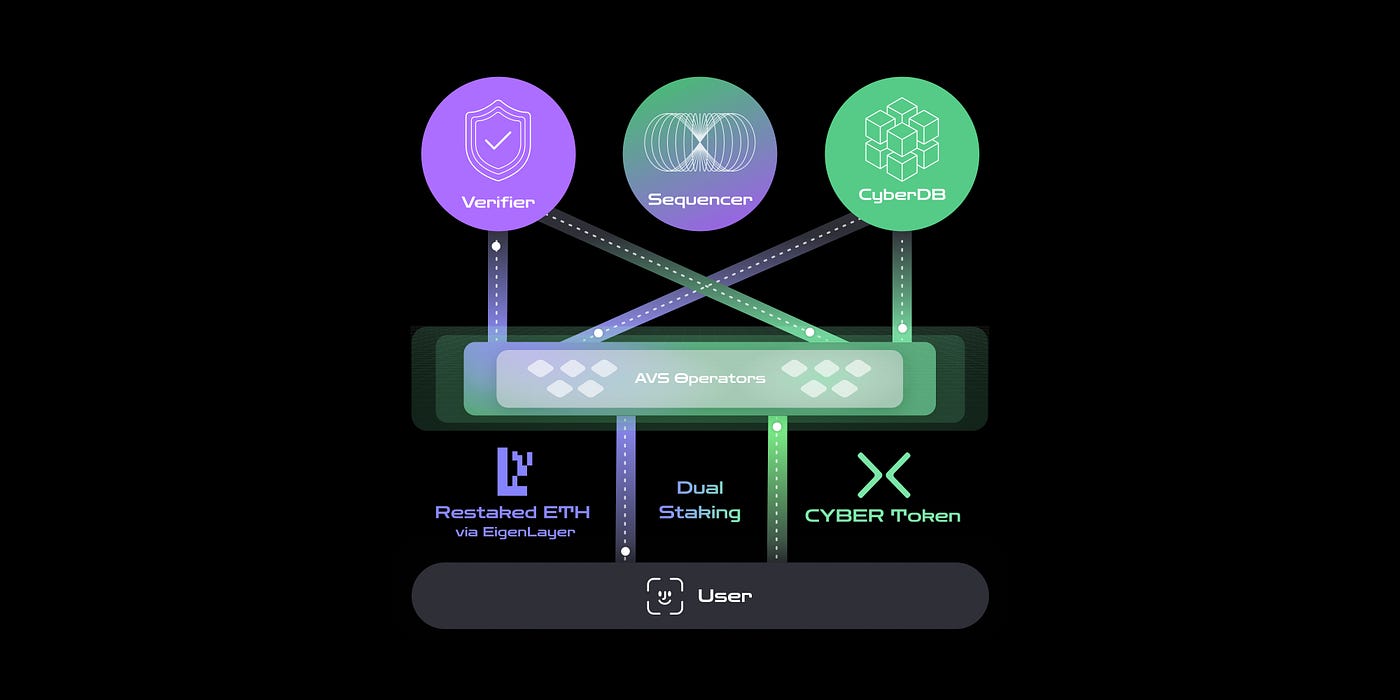
- 2. Restake on EigenLayer: Deposit chosen LRT into EigenLayer to secure AVSs, unlocking extra rewards atop ETH staking at $2,024.25. Witty hack: Reuse your stake without the unstake wait.
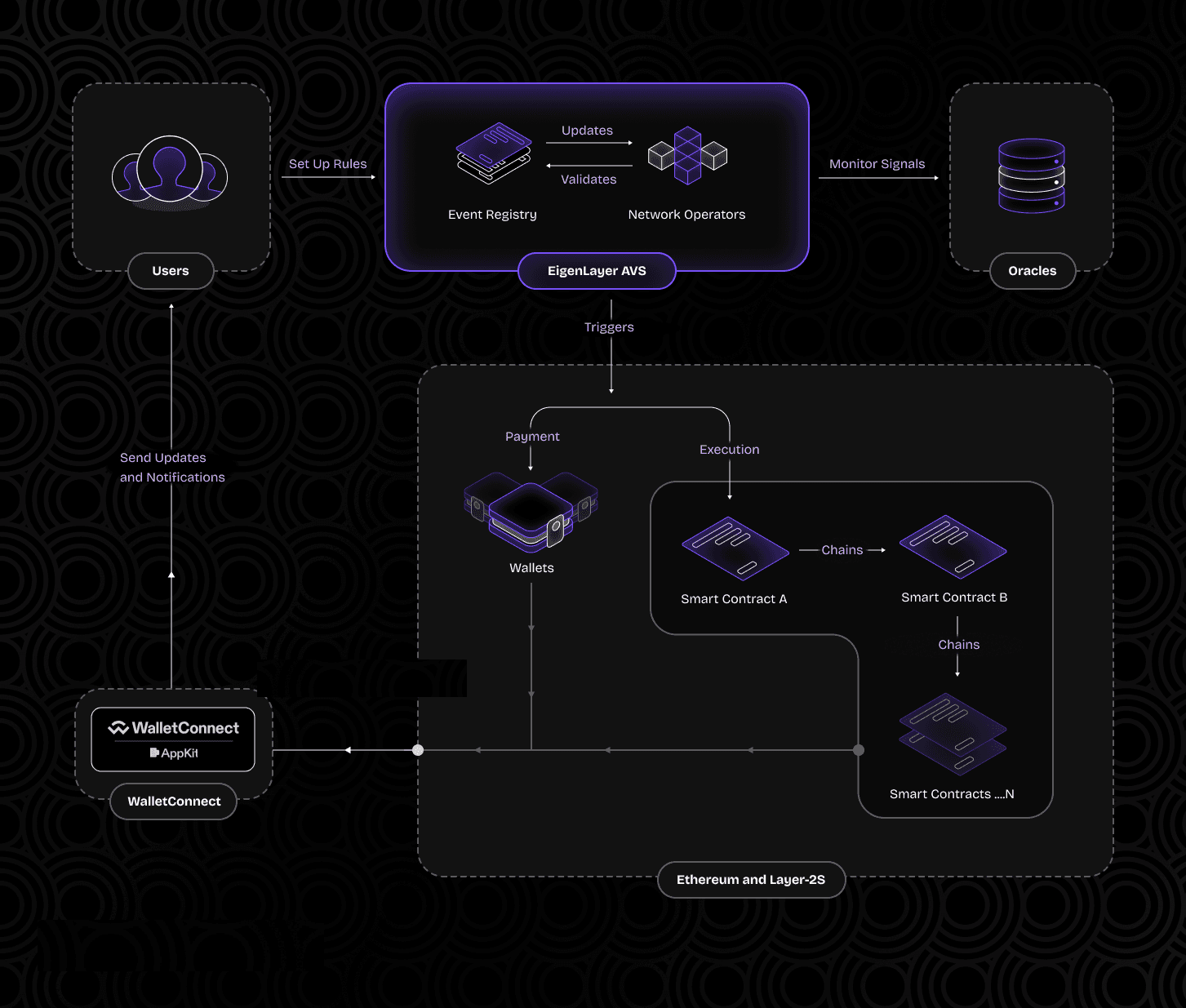
- 3. Diversify Pods: Spread LRTs across EigenPods for balanced risk – don't put all eggs in one validation basket. EigenLayer's $12.9B TVL thrives on this DeFi diversification dance.
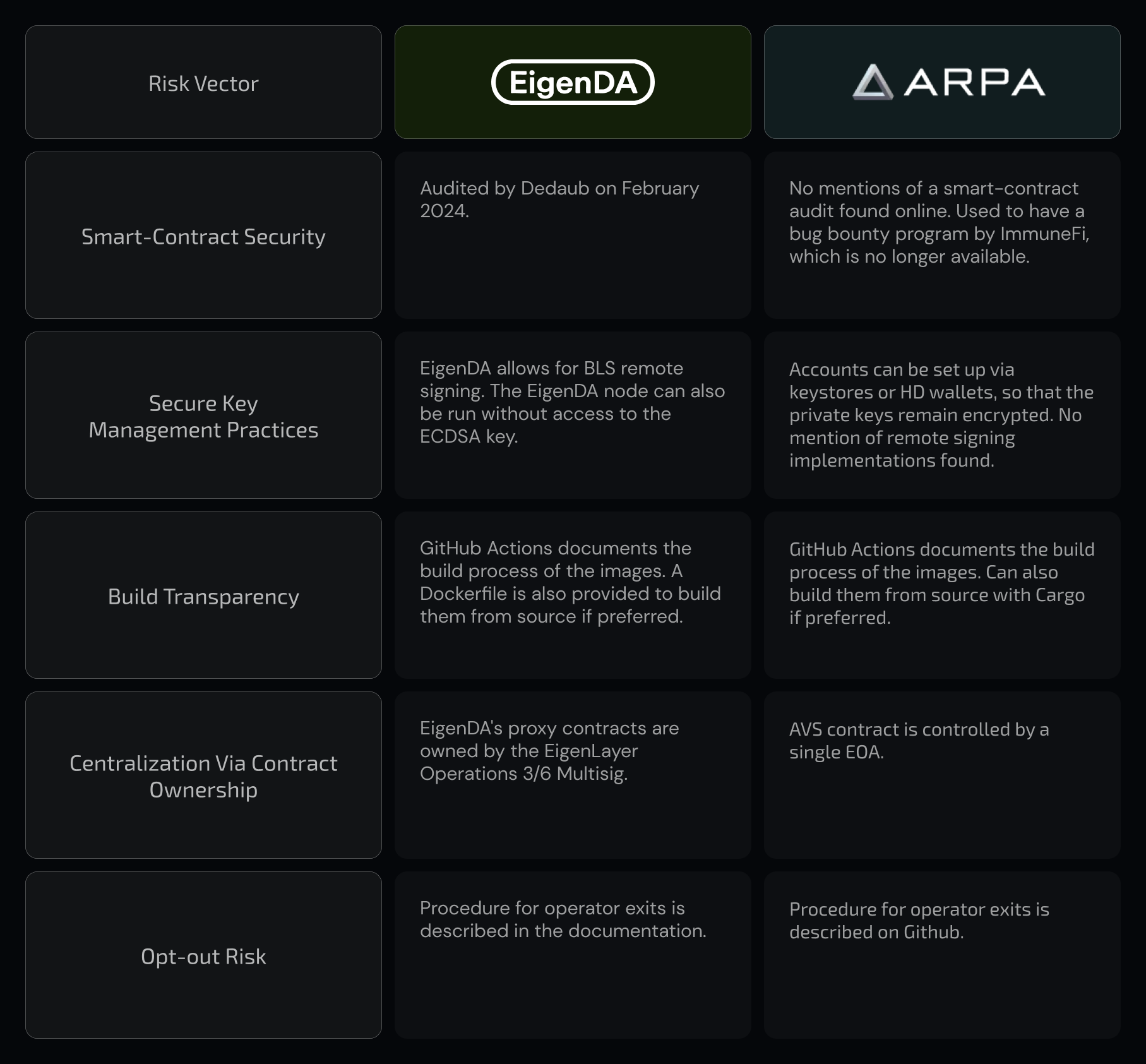
- 4. Deploy to DeFi: Loop liquid LRTs into Aave, Uniswap, or Pendle for leveraged yields. Compound like a pro: LST derivatives keep liquidity flowing while restaking.
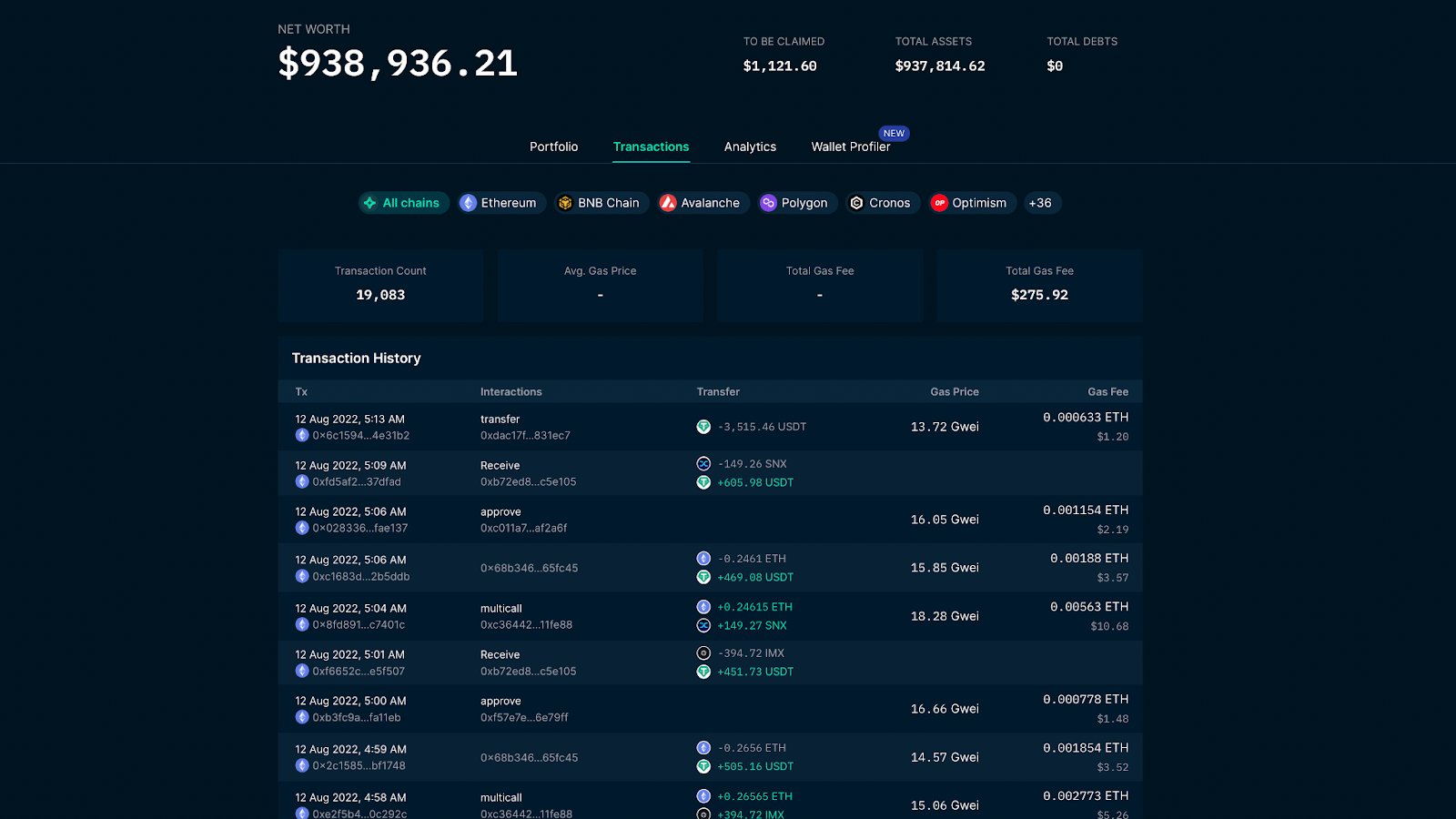
- 5. Monitor & Rotate: Track APYs with tools like Dune, rotate to hottest pods as ETH dips -1.56% to $2,024.25. Stay agile in 2026's restaking meta.
Renzo users love ezETH's ezAPY dashboard, forecasting blends of staking, points, and airdrops. Swell's swETH holders vote on treasury spends, potentially unlocking buybacks that goose token value. PufETH and rsETH appeal to degens chasing protocol-native tokens - Puffer's PUFFER and Kelp's rswETH - for that extra meta-layer yield.
Flash forward to late 2026: As EigenLayer's AVS roster matures, expect these top LSTs to capture 70% and of incremental TVL. With ETH at $2,024.25 today, restaking's flywheel turns faster in uptrends, but the real edge lies in navigating downturns. Yields fib, sure, but $12.9 billion in TVL? That's conviction capital, positioning weETH, ezETH, swETH, pufETH, and rsETH as your EigenLayer LST restaking derivatives arsenal for the long haul.




No comments yet. Be the first to share your thoughts!