
Restaking derivatives in 2026: what changed
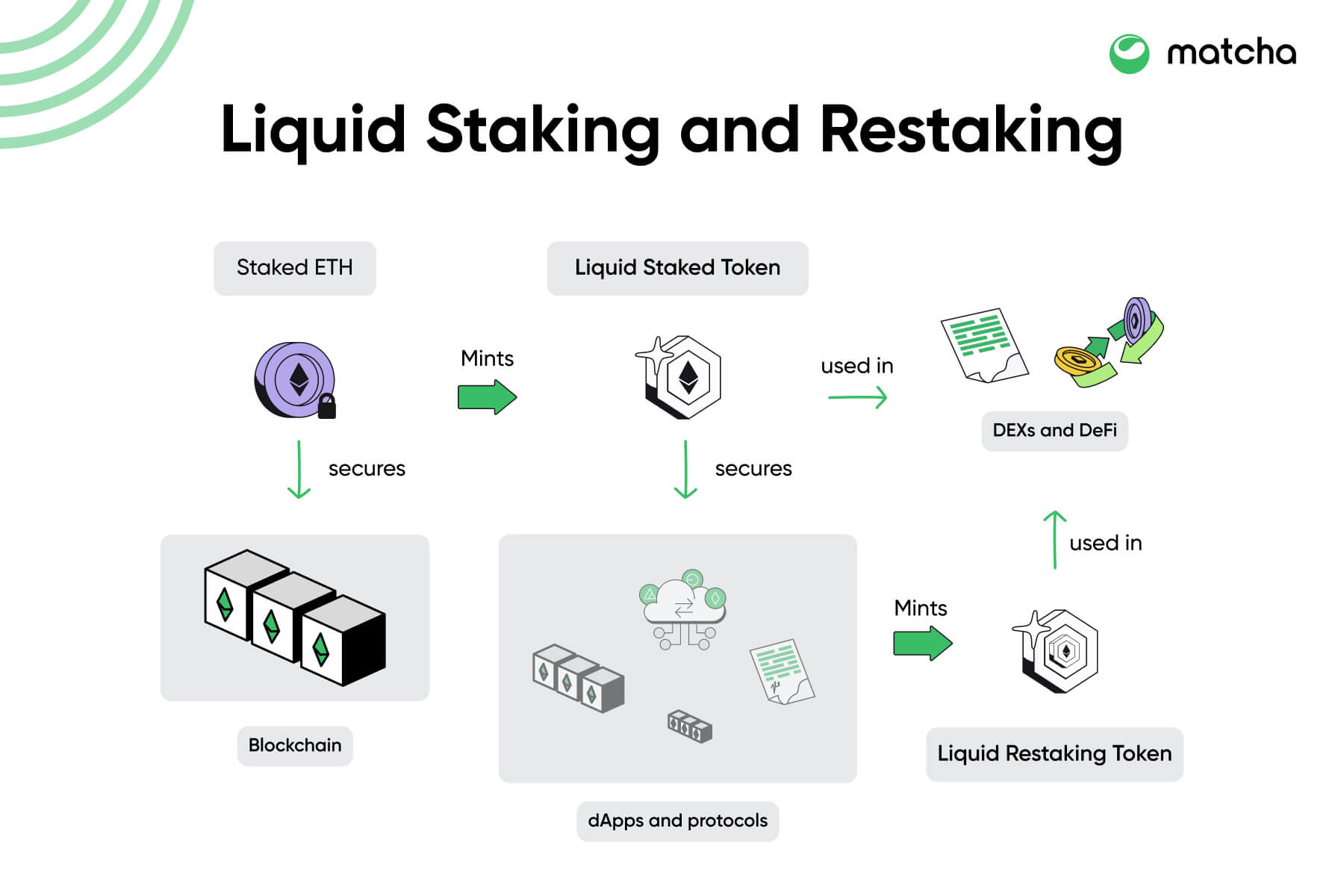
Liquid restaking tokens (LRTs) have shifted from experimental side-quests to core yield infrastructure. By 2026, the market has consolidated around a few robust protocols that allow you to restake ETH and receive a liquid token representing your position. This liquidity is the key difference from traditional staking, enabling you to use your staked assets elsewhere while still earning restaking rewards.
The landscape is no longer about finding a single "best" protocol. Instead, it is about matching the right LRT to your specific risk tolerance and yield goals. Protocols like Ether.fi, Renzo, and Kelp have established themselves as top contenders, each offering different tradeoffs between yield optimization, security models, and ecosystem integration.
For investors, the decision now hinges on understanding the underlying mechanics. Are you prioritizing maximum yield through complex strategy layering, or do you prefer a simpler, more transparent security model? The answer depends on how much complexity you are willing to manage in exchange for potential returns.
Restaking derivatives 2026 choices that change the plan
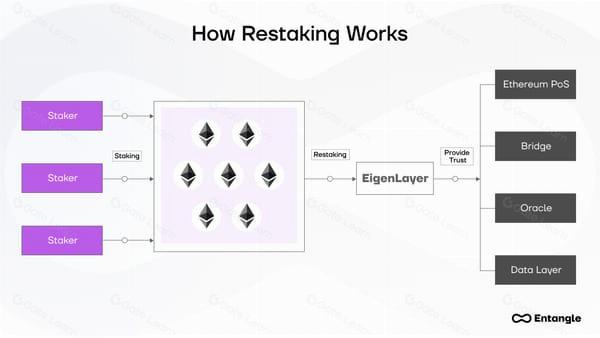
Liquid restaking tokens (LRTs) in 2026 offer a structural shift in yield generation, but they introduce specific risks that differ from traditional staking. Understanding these tradeoffs is essential for evaluating whether LRTs fit your risk profile. The core value proposition lies in extracting a "security premium" by reusing staked ETH to secure additional services, known as Actively Validated Services (AVS). However, this layered approach concentrates risk.
Key Tradeoffs to Evaluate
Yield vs. Smart Contract Risk The primary appeal of LRTs is enhanced yield. While solo staking on Ethereum offers a base yield of approximately 2.8–3.2%, LRTs add layers of yield from AVS participation. This extra return compensates for the increased exposure to smart contract vulnerabilities. Each additional layer of abstraction introduces potential attack vectors. If a protocol’s smart contracts are compromised, your underlying staked assets are at risk. This is a fundamental tradeoff: higher potential returns come with higher technical risk.
Liquidity vs. Complexity LRTs provide liquid tokens that represent your staked position, allowing you to use them in DeFi protocols while still earning staking rewards. This liquidity is a significant advantage over locked staking. However, the complexity of managing these positions can be high. You must understand how the LRT protocol distributes yields, how it handles slashing events, and how it interacts with other DeFi platforms. This complexity can lead to unintended risks if not managed carefully.
Slashing Risk Concentration When you restake, you are essentially signing up to secure multiple services. If one of these services fails or acts maliciously, you could face slashing penalties that affect your entire restaked position. This concentration of slashing risk is a critical consideration. Unlike traditional staking, where slashing is limited to the validator set, restaking exposes your assets to the performance and security of multiple AVS providers.
| Feature | Solo Staking | Liquid Restaking (LRT) | Liquid Staking (LSD) |
|---|---|---|---|
| Base Yield | ~2.8-3.2% | 3.5-5%+ | ~3% |
| Liquidity | None | High | High |
| Slashing Risk | Low (Own Node) | High (Multi-AVS) | Medium |
| Complexity | High (Technical) | Medium | Low |
| Smart Contract Risk | None | High | Medium |
Decision Framework
Choosing between solo staking, LRTs, and traditional LSDs depends on your priorities. If you value security and simplicity above all, solo staking or traditional LSDs may be better. If you prioritize yield and liquidity, LRTs offer a compelling option, provided you are comfortable with the associated risks. Always conduct your own research and understand the specific protocols you are interacting with before allocating capital.
How to choose the right liquid restaking token
Selecting a liquid restaking token (LRT) requires matching protocol mechanics to your specific yield goals and risk tolerance. Not all LRTs are created equal; some prioritize maximum yield through aggressive operator delegation, while others focus on capital preservation and simplicity. Use the following decision framework to evaluate your options.
If your primary goal is maximizing returns, look for protocols with diverse operator networks and active yield optimization. Tokens like Ether.fi or Renzo often offer higher yields by delegating to multiple restaking operators. However, higher yields typically come with increased smart contract complexity and potential slashing risks. Evaluate whether the extra yield justifies the additional technical exposure.
For conservative investors, prioritize LRTs with robust slashing insurance funds or simplified operator structures. Protocols that offer single-operator delegation or strong insurance mechanisms reduce the complexity of risk management. Check if the protocol has undergone multiple security audits and has a transparent history of handling minor incidents. Lower yield is the trade-off for this peace of mind.

Consider how easily you can use the token across DeFi. Some LRTs are deeply integrated into major lending protocols and DEXs, allowing for easy collateralization. Others may be newer or more niche, limiting their utility. Verify that the token is accepted on your preferred platforms and that the liquidity pool is deep enough to handle your position size without significant slippage.
Examine the fee models of different LRTs. Some charge performance fees on yields, while others take a cut of the staking rewards. Compare these against the protocol’s governance structure. Decentralized governance can offer better alignment with token holders, but it may also lead to slower decision-making during market crises. Choose a model that matches your preference for active vs. passive management.
| Protocol | Yield Source | Risk Level | Best For |
|---|---|---|---|
| Ether.fi | Multi-operator delegation | Medium-High | Yield maximizers |
| Renzo | Diverse operator network | Medium | Balanced growth |
| Kelp DAO | Simplified delegation | Low-Medium | Conservative investors |
The best LRT for you depends on balancing yield potential with your ability to manage risk. Start by defining your non-negotiables, then filter protocols that meet those criteria. Remember that past performance does not guarantee future results, especially in the rapidly evolving restaking landscape.
Avoid weak liquid restaking tokens
Many Liquid Restaking Tokens (LRTs) promise high yields but carry hidden risks that can erode your capital. Not every token listed in a "top 10" roundup is safe to hold. You need to filter out projects with weak economics, opaque tech, or poor liquidity before committing funds.
Skip tokens with hidden slashing risks
Some LRTs do not clearly explain how they handle slashing events—penalties when validators act maliciously. If the protocol does not have a robust slashing protection mechanism or insurance fund, you could lose your principal. Check if the smart contracts are audited by reputable firms and if the slashing risk is shared proportionally among stakers. If the documentation is vague, walk away.
Beware of unsustainable yield models
High APYs are often a red flag. If an LRT offers yields significantly higher than the base Ethereum staking rate without a clear, sustainable revenue source, it is likely subsidizing rewards with token emissions. These emissions are temporary and cause token price depreciation. Look for protocols that generate real yield from restaking fees, MEV, or network incentives rather than just printing new tokens.
Check for liquidity traps
A liquid restaking token is only useful if you can sell it when you need to. Many smaller LRTs have thin liquidity on decentralized exchanges. During market downturns, slippage can be severe, or you may not be able to exit your position at all. Always check the depth of the liquidity pool and the token's trading volume before investing. A token that cannot be sold is not an asset; it is a locked liability.
Verify protocol transparency
Avoid projects with anonymous teams or no clear governance structure. Transparency is key in DeFi. You should be able to see exactly where your funds are going, who controls the keys, and how decisions are made. Protocols that operate in the shadows are more likely to suffer from exploits or rug pulls. Stick to established players with public identities and open-source code.
Don't ignore smart contract risk
Restaking involves multiple layers of smart contracts, increasing the attack surface. Each additional layer introduces potential vulnerabilities. Ensure the protocol has a bug bounty program and a history of responsible disclosure. If a protocol has never undergone a third-party audit or has unresolved critical issues, the risk is too high. Your capital is only as safe as the weakest link in the code.
Watch out for concentrated ownership
Check the token distribution. If a small number of wallets hold a large percentage of the supply, they can manipulate the price or dump on retail investors. Look for a healthy distribution with significant allocation to the community and vesting schedules for team and investor tokens. Concentrated ownership is a major red flag for long-term sustainability.
Avoid complex, untested strategies
Some LRTs use complex, multi-layered strategies that are difficult to understand. If you cannot explain how the protocol generates yield in simple terms, you should not invest. Complexity often hides risk. Stick to protocols with clear, straightforward models that you can verify yourself. If the strategy relies on assumptions that haven't been stress-tested, it is a gamble, not an investment.
Don't overlook regulatory risks
The regulatory landscape for crypto is evolving. Some LRTs may be classified as securities, which could lead to delistings or legal action. Research the regulatory stance in your jurisdiction and choose protocols that are proactive about compliance. Ignoring regulatory risks can result in frozen assets or legal trouble.
Be cautious of cross-chain risks
Many LRTs operate across multiple chains, introducing bridge risks. Bridges have been hacked repeatedly, and funds can be lost if a bridge is compromised. Choose protocols that minimize cross-chain exposure or use trusted, battle-tested bridges. If a protocol relies heavily on untested bridges, the risk is elevated.
Final check: Do your own research
Before investing in any LRT, do your own research. Read the whitepaper, audit reports, and community discussions. Talk to other users and check for red flags. Never invest more than you can afford to lose. The crypto market is volatile, and even the best-laid plans can fail.
Restaking derivatives 2026: common: what to check next
Liquid restaking tokens (LRTs) have moved from experimental protocols to a $13.45 billion sector by early 2026. The landscape has shifted from simple yield aggregation to complex security delegation. These answers address the practical mechanics and risks defining the current market.
The key tradeoff in 2026 is yield versus complexity. Simple staking offers predictable returns, while LRTs provide multi-layer yield but introduce smart contract and slashing risks. Always verify protocol audits and understand the specific AVS you are securing before allocating capital.
No comments yet. Be the first to share your thoughts!