
Restaking derivatives 2026 limits to account for
Use this section to make the Restaking Derivatives decision easier to compare in real life, not just on paper. Start with the reader's actual constraint, then separate must-have requirements from details that are merely nice to have. A practical choice should survive normal use, maintenance, timing, and budget. If a recommendation only works in an ideal situation, call that out plainly and give the reader a fallback path.
The simplest way to use this section is to write down the must-have criteria first, then compare each option against those criteria before weighing nice-to-have features.
Restaking derivatives 2026 choices that change the plan
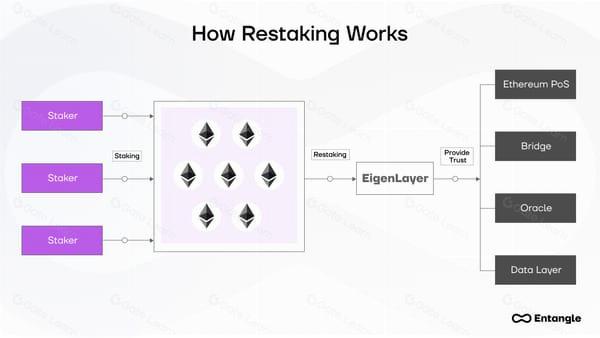
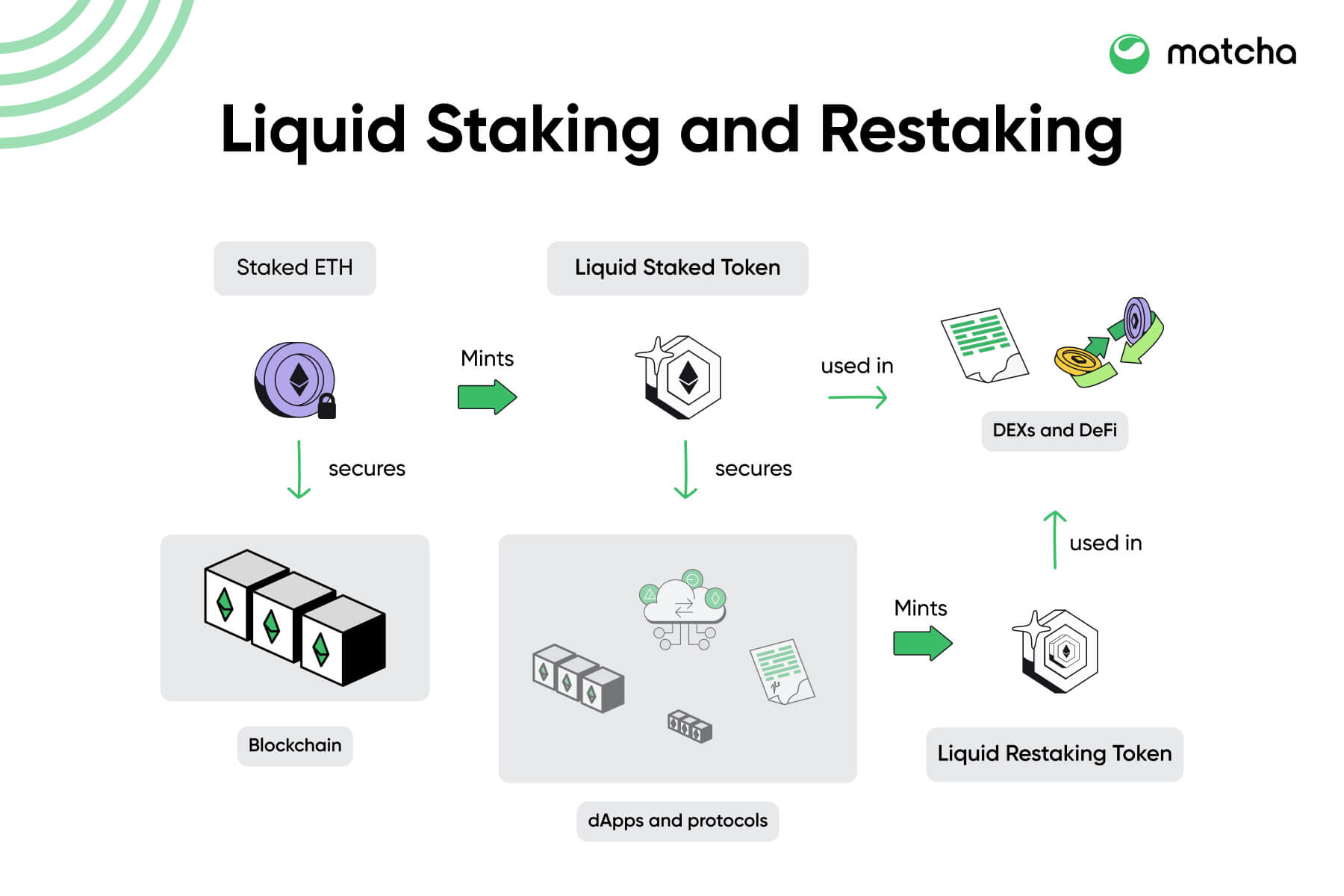
Liquid restaking tokens (LRTs) layer yield on top of base staking rewards, but they introduce specific risks that change how you evaluate capital allocation. In 2026, Ethereum solo staking offers approximately 2.8–3.2% base yield, while restaking protocols add a specialized "security premium" by deploying your stake across Additional Verifiable Services (AVS) [[src-3]]. This structure transforms trapped capital into multi-layer yield engines, but it also concentrates exposure to protocol-specific smart contract risks and slashing events [[src-4]].
Choosing an LRT requires comparing the tradeoff between yield augmentation and operational complexity. Below is a comparison of three leading LRT protocols in 2026, highlighting their primary value propositions and associated risks.
The decision ultimately depends on your risk tolerance and technical comfort. Ether.fi tends to offer higher potential yields due to its aggressive AVS integration but carries higher smart contract risk. Renzo focuses on user experience and broader liquidity integration, making it suitable for those prioritizing ease of use. Kelp DAO offers rsETH, which provides exposure to multiple restaking layers, appealing to investors seeking diversified yield streams.
Before allocating capital, verify the specific AVS partnerships each protocol supports. Not all AVS are equally secure or profitable. A protocol’s yield is only as stable as the underlying services it secures. Always review the slashing conditions and insurance mechanisms provided by the LRT issuer. Understanding these mechanics is essential for managing your restaking portfolio in 2026.
Choose the next step
Restaking Derivatives works best as a clear sequence: define the constraint, compare the realistic options, test the tradeoff, and choose the path with the fewest hidden costs. That order keeps the advice usable instead of decorative. After each step, pause long enough to check whether the recommendation still fits the reader's actual situation. If it depends on perfect timing, unusual access, or a best-case budget, include a simpler fallback.

Spotting Weak Options and Misleading Claims
The liquid restaking narrative is crowded with marketing fluff. Many protocols promise "double yield" without explaining the hidden costs of slashable risk or the complexity of managing multiple validator keys. Before allocating capital, you must separate genuine yield generation from inflated APY projections that ignore potential downtime or slashing events.
The "Double Dipping" Myth
Several LRT platforms advertise rewards from both Ethereum consensus and EigenLayer AVSs as if they are risk-free. This framing ignores that restaked ETH is often exposed to smart contract vulnerabilities across multiple layers. If an AVS contract is compromised, your underlying stake can be slashed. Always check the audit history of the AVS integration, not just the base staking protocol. A high APY often signals high counterparty risk, not superior technology.
Complex Fee Structures
Watch out for protocols with opaque fee models. Some LRTs charge high management fees on rewards, effectively eroding your net yield over time. Others may have complex withdrawal periods that lock your funds during market volatility. Compare the net APY after fees, not the gross APY. A protocol with a 10% APY and 2% fees is often a better option than one with 15% APY and 5% fees.
Lacked Transparency
Transparency is non-negotiable. Reputable LRTs publish real-time validator performance and slashing data. If a protocol hides its validator set or lacks clear documentation on how rewards are distributed, treat it as a red flag. The lack of transparency often correlates with higher risk of operational failures or hidden vulnerabilities.
Restaking derivatives 2026: what to check next
Before committing capital to liquid restaking tokens, it helps to separate the mechanics from the market hype. The following answers address the most frequent practical objections and technical clarifications for 2026.
No comments yet. Be the first to share your thoughts!