
Restaking derivatives in 2026
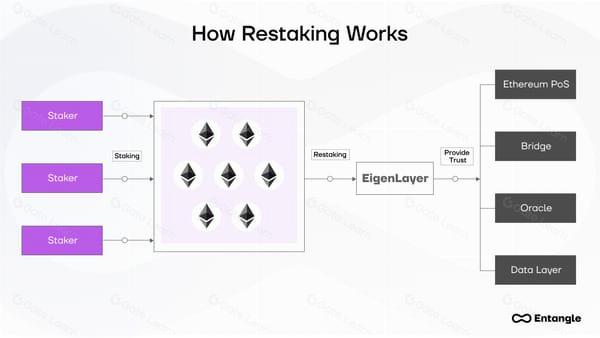
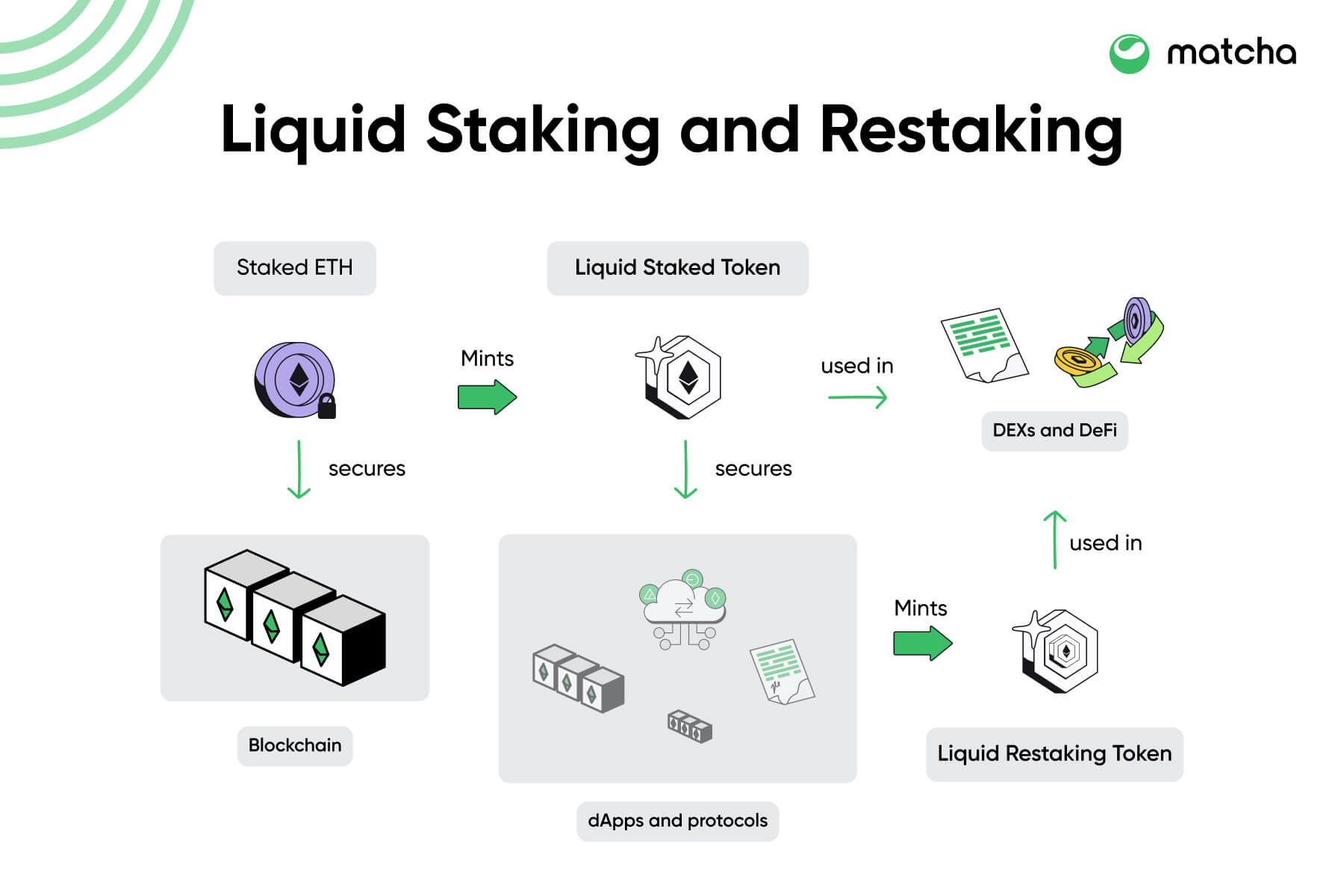
By 2026, restaking and liquid staking derivatives (LSDs) have moved from experimental primitives to core yield engines in decentralized finance. The strategy is simple: you stake an asset like Ethereum, receive a liquid token representing that stake, and then restake that token to secure additional networks. This creates a compounding yield loop where your capital supports multiple layers of security simultaneously.
The landscape has shifted from abstract theory to a practical comparison of specific tokens. Major protocols like Ether.fi, Renzo, and Kelp now dominate the market, each offering different risk-reward profiles. The choice is no longer about whether to restake, but which derivative best aligns with your yield targets and risk tolerance.
| Protocol | Primary Focus | Yield Mechanism | Risk Profile |
|---|---|---|---|
| Ether.fi | Multi-chain restaking | Native staking + restaking rewards | Moderate |
| Renzo | Optimized yield | Automated restaking strategies | Low to Moderate |
| Kelp | Liquid restaking | Direct LSD derivatives | Low |
This direct comparison highlights that while the underlying mechanism is similar, the execution varies. Some protocols prioritize native staking rewards, while others focus on automated strategies to maximize output. Understanding these differences is essential for selecting the right derivative for your portfolio.

Restaking derivatives 2026 choices that change the plan
Use this section to make the Restaking Derivatives decision easier to compare in real life, not just on paper. Start with the reader's actual constraint, then separate must-have requirements from details that are merely nice to have. A practical choice should survive normal use, maintenance, timing, and budget. If a recommendation only works in an ideal situation, call that out plainly and give the reader a fallback path.
| Factor | What to check | Why it matters |
|---|---|---|
| Fit | Match the option to the primary use case. | A good deal still fails if it does not fit the job. |
| Condition | Verify age, wear, and service history. | Hidden condition issues erase upfront savings. |
| Cost | Compare purchase price with likely upkeep. | The cheapest option is not always the lowest-cost option. |
Choose the next step
Restaking Derivatives works best as a clear sequence: define the constraint, compare the realistic options, test the tradeoff, and choose the path with the fewest hidden costs. That order keeps the advice usable instead of decorative. After each step, pause long enough to check whether the recommendation still fits the reader's actual situation. If it depends on perfect timing, unusual access, or a best-case budget, include a simpler fallback.
Spot the weak options in restaking
Liquid restaking tokens promise higher yields by compounding staking rewards with restaking fees, but not all derivatives deliver on that promise. Many projects mask their true risk profile behind marketing language that obscures smart contract complexity and slashing exposure. Before committing capital, you need to separate the viable yield engines from the weak options that offer little more than inflated APYs backed by unsustainable token emissions.
The first red flag is a protocol that lacks a clear, audited restaking strategy. If a project cannot explicitly state which restaking providers it uses and how it handles slashing events, it is likely hiding behind a generic wrapper. Similarly, avoid options that rely heavily on native token rewards to maintain their yield. When emissions dry up, these weak derivatives often crash, leaving holders with devalued tokens and no underlying staking value.
Another common mistake is ignoring the liquidity risk. Some liquid restaking tokens suffer from low liquidity, making it difficult to exit positions without significant slippage. This is particularly dangerous during market downturns when you need to liquidate quickly. Always check the liquidity depth and the history of price deviations from the underlying asset before investing.
Finally, be wary of protocols that claim to offer "risk-free" yields. Restaking inherently involves smart contract risk, validator risk, and market risk. Any project promising guaranteed returns is either misleading you or operating outside the bounds of sustainable DeFi. Stick to protocols with transparent audits, clear risk disclosures, and a track record of handling market stress.
Restaking derivatives 2026: what to check next
Liquid staking tokens (LSTs) and liquid restaking tokens (LRTs) have evolved from experimental tools into core yield engines in DeFi. By 2026, the sector manages over $13.45 billion in total value locked, generating significant daily yield through diversified strategies across Ethereum and Solana [[src-serp-6]].
Is restaking safe in 2026?
Restaking introduces smart contract risk, slashing risk, and protocol-specific vulnerabilities. While major protocols like Ether.fi and Renzo have undergone rigorous audits, the layered nature of restaking means a failure in one underlying validator or protocol can cascade. Safety depends on your risk tolerance and the specific protocols you choose. Always review the audit history and economic security models before committing capital.
How do LSTs and LRTs differ?
LSTs represent staked assets (like stETH) that can be used elsewhere in DeFi. LRTs take this further by restaking those LSTs to secure additional networks, generating extra yield. Essentially, LSTs are the foundation, while LRTs are the leveraged yield engine built on top. LRTs often offer higher APYs but come with more complex risk profiles due to the additional restaking layer.
Which liquid restaking protocol is best?
There is no single "best" protocol; it depends on your goal. Ether.fi offers deep liquidity and established brand recognition. Renzo focuses on automated yield optimization and multi-chain expansion. Kelp provides robust infrastructure for institutional-grade restaking. Compare their specific APYs, fees, and supported networks to find the fit for your strategy.
Can I lose my staked assets?
Yes. In addition to market volatility, you face slashing risks if the underlying validators act maliciously or negligently. Smart contract bugs can also lead to total loss of funds. While insurance protocols exist, they rarely cover all scenarios. Only allocate capital you can afford to lose, and consider diversifying across multiple protocols to mitigate single-point failures.
No comments yet. Be the first to share your thoughts!