
Liquid restaking tokens 2026: What you need to know
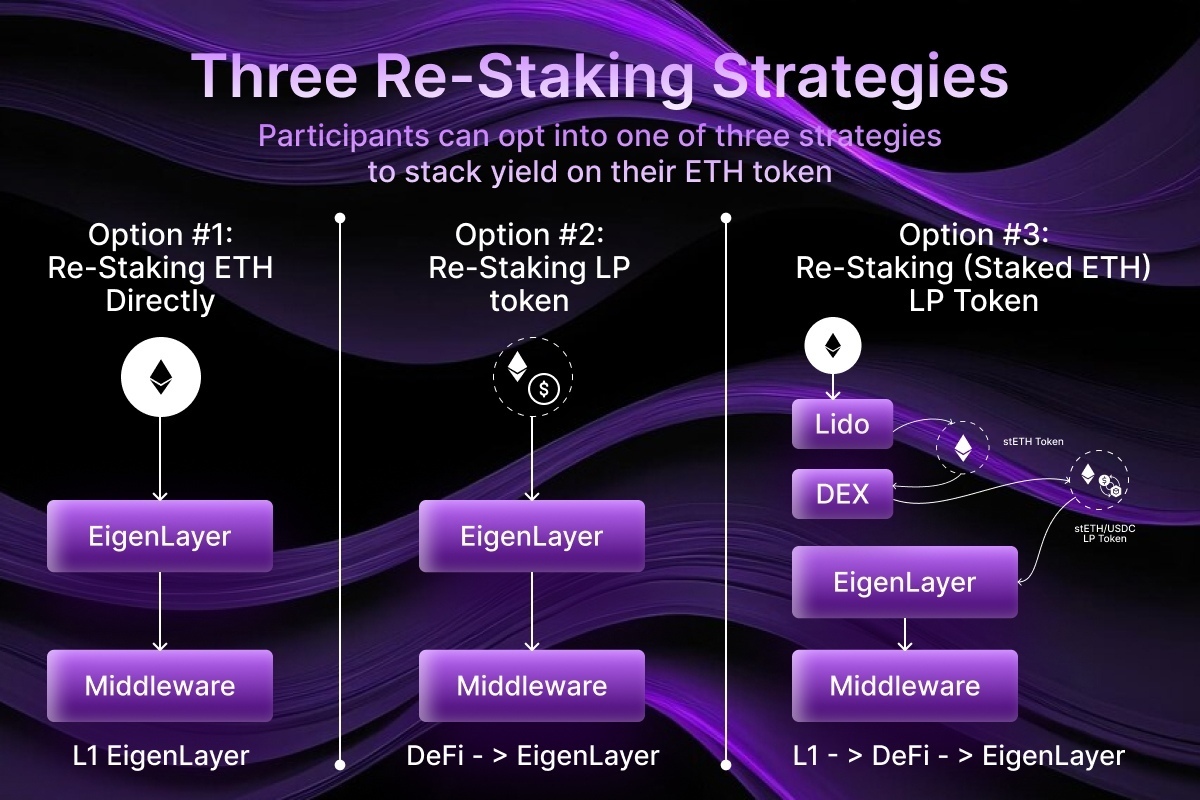
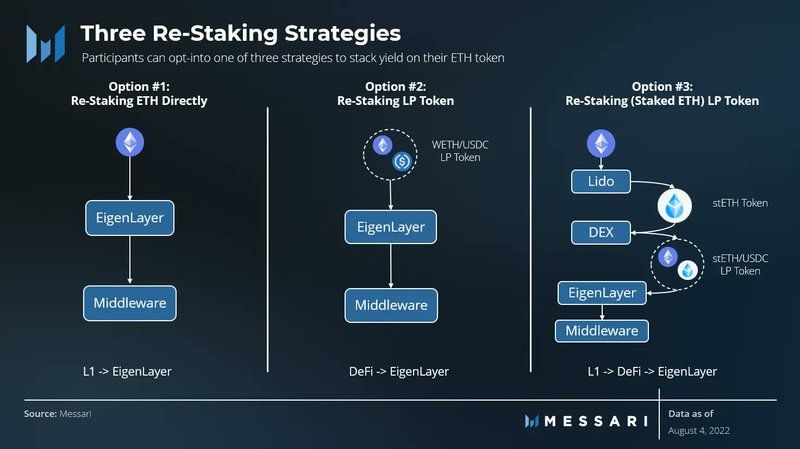
Liquid restaking tokens (LRTs) have shifted from experimental niche products to a core infrastructure layer in 2026. The concept remains simple: you stake an asset like Ethereum, receive a liquid token representing that stake, and then restake that token to secure other networks, earning additional yield on top of the base staking rewards.
The landscape is now dominated by a few established protocols. Ether.fi’s weETH, Renzo’s ezETH, and Kelp DAO’s rsETH are the primary contenders. Each protocol manages the underlying validator infrastructure differently, leading to variations in yield, liquidity, and risk profile. Understanding these differences is critical before committing capital.
New regulatory scrutiny has forced these protocols to be more transparent about their custodial and slashing risks. The "yield" you see is not free money; it is compensation for securing additional decentralized services. As the ecosystem matures, the gap between safe, institutional-grade LRTs and high-risk, untested forks is widening.
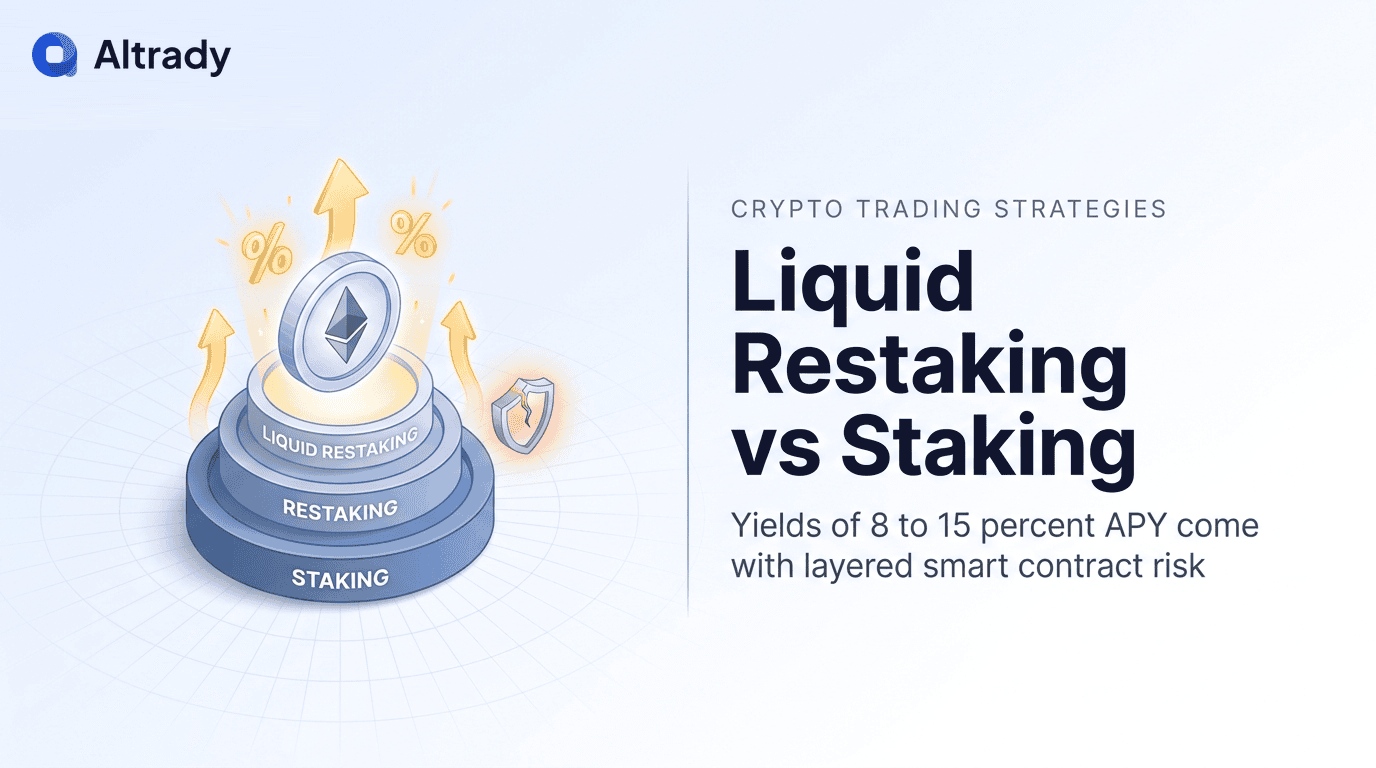
For most users, the decision comes down to balancing yield against security. While some newer tokens promise double-digit APYs, they often carry higher smart contract risk or lower liquidity. The established players offer a more stable, albeit lower, yield curve. Always verify the underlying validators and the protocol's track record before deploying funds.
Liquid restaking tokens 2026 choices that change the plan
Choosing a liquid restaking token (LRT) in 2026 requires balancing yield potential against structural risk. The market has matured from speculative experimentation to a landscape defined by distinct economic models and regulatory scrutiny. Investors must evaluate how each protocol generates returns, the security of its smart contracts, and the liquidity of its tokens under stress.
Comparison of Major LRT Protocols
The following table compares the primary mechanisms and risk profiles of leading LRTs. These metrics reflect current market conditions and protocol designs as of early 2026.
| Protocol | Token | Yield Source | Risk Level | Liquidity |
|---|---|---|---|---|
| Ether.fi | eETH/weETH | ETH Staking + Restaking | Low-Medium | High |
| Renzo | ezETH | ETH Staking + Restaking | Medium | High |
| Kelp DAO | rsETH | ETH Staking + Restaking | Medium | Medium |
| Puffer | ETH Staking + Insurance Pool | Medium-High | Medium | |
| swETH | ETH Staking + LST Fees | Low | High |
Evaluating Yield Sustainability
Yield in LRTs comes from two primary sources: base Ethereum staking rewards and additional rewards from restaking assets on networks like EigenLayer. The latter introduces complexity. If the restaking ecosystem experiences a slashing event or smart contract exploit, yields can vanish or turn negative. Protocols like Puffer attempt to mitigate this with insurance pools, but these are not guaranteed. Always distinguish between native yield and incentivized points, which may not be sustainable long-term.
Liquidity and Redemptions
Not all LRTs offer instant, 1:1 redemptions. Some protocols use liquidity pools that may suffer from impermanent loss or slippage during market volatility. Ether.fi and Swell generally offer deeper liquidity due to their first-mover advantage and partnerships. Renzo and Kelp provide competitive liquidity but may require more careful exit timing during high-volatility periods. Check the depth of the associated liquidity pools before committing significant capital.
Regulatory and Security Risks
The 2026 regulatory environment places heightened scrutiny on yield-bearing tokens. Protocols that are more transparent about their governance and security audits tend to attract institutional capital. Ether.fi and Swell have established robust governance frameworks. Newer entrants may offer higher yields but often lack the security track record. Diversify across protocols to mitigate single-point-of-failure risks.
Decision Framework
For conservative investors, Ether.fi (eETH) and Swell (swETH) offer the best balance of yield and liquidity. For those seeking higher potential returns from diverse restaking networks, Renzo (ezETH) and Kelp (rsETH) provide exposure to broader EigenLayer ecosystems. Puffer (pufETH) is suitable for those willing to accept higher risk for insurance-backed yield. Always conduct your own due diligence and consider the total cost of gas and slippage when entering or exiting positions.
How to choose an LRT strategy
Selecting a liquid restaking token (LRT) requires matching your risk tolerance to the specific security model of the protocol. With new DeFi regulations tightening around custody and yield transparency, the margin for error has shrunk. You are not just choosing a yield source; you are selecting which networks you trust to secure your assets.
Use this framework to evaluate your options before deploying capital.
| Protocol | Token | Risk Profile | Key Feature |
|---|---|---|---|
| Ether.fi | weETH | Moderate | First-mover advantage and deep liquidity |
| Renzo | ezETH | Moderate-High | Automated restaking optimization |
| Kelp DAO | rsETH | Moderate | Robust insurance fund and audits |
The best strategy balances yield with security. Start with a small allocation to test the protocol's stability and your own comfort with the risks before scaling up. Always verify the current regulatory status of the protocol in your jurisdiction before investing.
Watch out for weak liquid restaking options
Not every liquid restaking token (LRT) delivers the yield it promises. In 2026, the landscape is split between protocols with real economic backing and those relying on inflated token emissions. Before committing capital, you must separate sustainable yield from unsustainable inflation.
1. The "Yield Illusion" of Emission-Heavy Tokens
Some newer LRTs advertise double-digit APYs that are not derived from actual restaking rewards but from native token emissions. This creates a fragile yield structure. When the token price drops, the APY appears higher in percentage terms, but your dollar-denominated return shrinks. This is a common trap for beginners chasing headline numbers without checking the underlying reward sources.
2. Over-Exposure to Single Validator Sets
Many LRTs delegate restaking power to a single or limited number of operators. If that operator faces slashing events or downtime, your entire position suffers. Robust protocols distribute risk across multiple independent operators. Always check the operator diversity in the protocol's documentation. Concentration risk is the silent killer of restaking portfolios.
3. Hidden Smart Contract Risks
The complexity of LRTs introduces multiple smart contract layers: the original staking contract, the restaking contract, and the LRT bridge. Each layer adds potential vulnerability. Audits are standard, but they are not guarantees. Look for protocols that have undergone multiple independent audits and have active bug bounty programs. Simplicity often beats complexity in security.
4. Liquidity Traps in Volatile Markets
During market downturns, liquidity in LRT pools can evaporate. You might face high slippage when trying to exit your position. Some protocols impose withdrawal delays or fees during stress periods. Ensure you understand the exit mechanics before entering. Liquidity is not just about volume; it's about depth and stability during volatility.
5. Regulatory Ambiguity in Jurisdiction
New DeFi regulations in 2026 may impact certain LRTs differently depending on your jurisdiction. Some protocols may restrict access or alter yield distribution mechanisms to comply with local laws. Stay informed about regulatory developments in your region. Proactive compliance checks can prevent unexpected account restrictions or frozen assets.
Liquid restaking tokens 2026: what to check next
Investors often search for the "next coin to skyrocket" or the highest APY, but liquid restaking requires a different approach. The sector is moving from speculative hype to infrastructure, with protocols like Ether.fi, Renzo, and Kelp establishing clear use cases. Success depends on understanding yield mechanics, not chasing short-term pumps.
Which LRTs offer the highest APY?
Yield varies by protocol and underlying asset composition. Ether.fi’s eETH and Renzo’s ezETH typically offer competitive yields by combining base staking rewards with restaking incentives. However, higher APYs often correlate with increased smart contract risk. Always check the breakdown of rewards—whether they come from Ethereum consensus or additional restaking points.
Is liquid restaking safe in 2026?
Safety depends on the protocol’s audit history and slashing protection mechanisms. While LRTs provide liquidity, they introduce smart contract risk. Established protocols have undergone rigorous audits, but no system is immune to exploits. Diversifying across multiple LRTs and using reputable wallets can mitigate some risks, but you must accept the inherent volatility of DeFi.
Will LRTs outperform traditional staking?
Liquid restaking tokens generally offer higher yields than standard ETH staking by adding a layer of restaking rewards. However, this comes with higher complexity and potential volatility. If you prioritize capital preservation, traditional staking is safer. If you seek yield optimization and can tolerate risk, LRTs are the primary vehicle for 2026.
What are the best LRTs to hold long-term?
Ether.fi (eETH), Renzo (ezETH), and Kelp (rsETH) are leading the sector due to their TVL and ecosystem integration. These tokens are not just yield instruments but governance assets in growing DeFi networks. Long-term holders should focus on protocols with strong developer activity and real utility, rather than temporary incentive campaigns.
No comments yet. Be the first to share your thoughts!