
Get restaking derivatives 2026 right
Start Restaking Derivatives with the constraint that matters most in real life: space, timing, budget, skill level, maintenance, or availability. That first constraint should shape the rest of the plan instead of appearing as an afterthought. Keep the first pass simple enough to verify. Compare the main options against the same criteria, remove choices that only work in ideal conditions, and save optional upgrades for later.
The simplest way to use this section is to write down the real constraint first, compare each option against it, and choose the path that still works outside ideal conditions.
Work through the steps
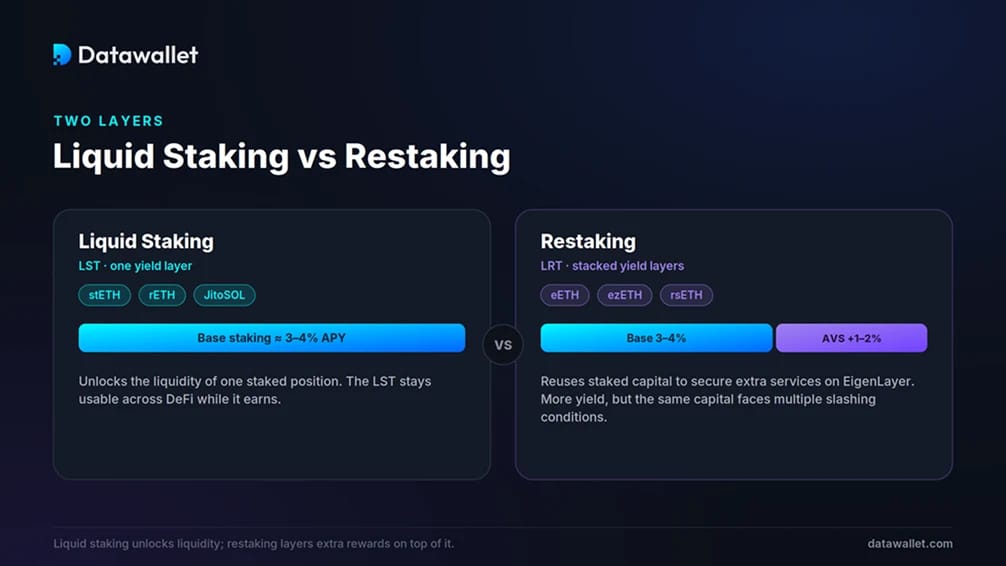
Restaking derivatives let you earn yield on already-staked assets, but the mechanics require careful setup to avoid smart contract risks. Follow this sequence to deploy a Liquid Restaking Token (LRT) strategy safely.
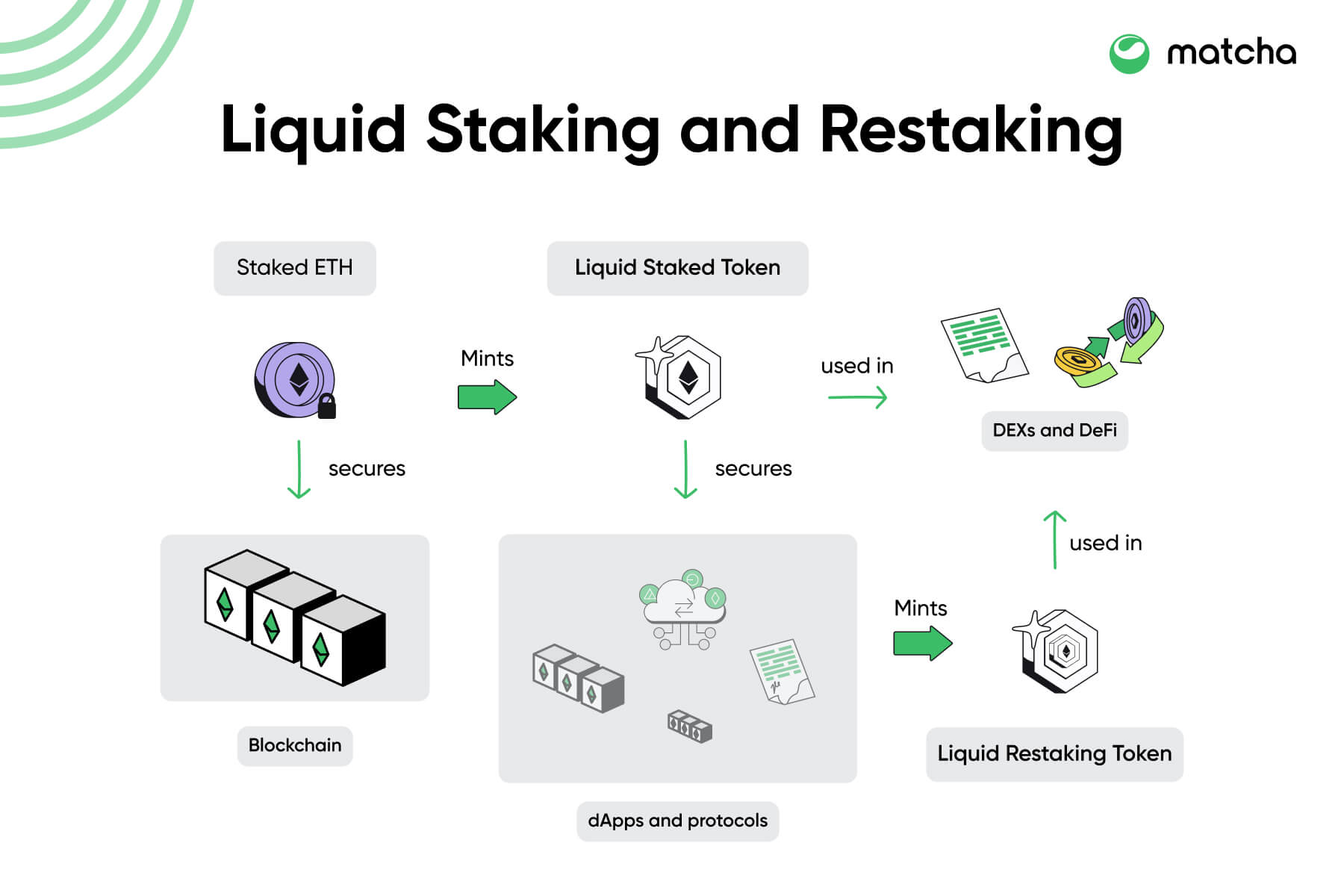
Start by selecting a protocol with a proven track record. In 2026, Ether.fi, Renzo, and Kelp are leading options. Review their total value locked (TVL) and audit history to ensure the smart contracts are secure. Avoid newer protocols with unverified code or anonymous teams, as restaking amplifies exposure to any underlying vulnerabilities.
Transfer your existing LST (such as stETH or rETH) into the chosen LRT protocol’s deposit interface. The protocol will lock these assets to secure additional networks or services. Ensure you are depositing from a verified source wallet to prevent phishing attacks. Double-check the contract address on the protocol’s official website before confirming the transaction.
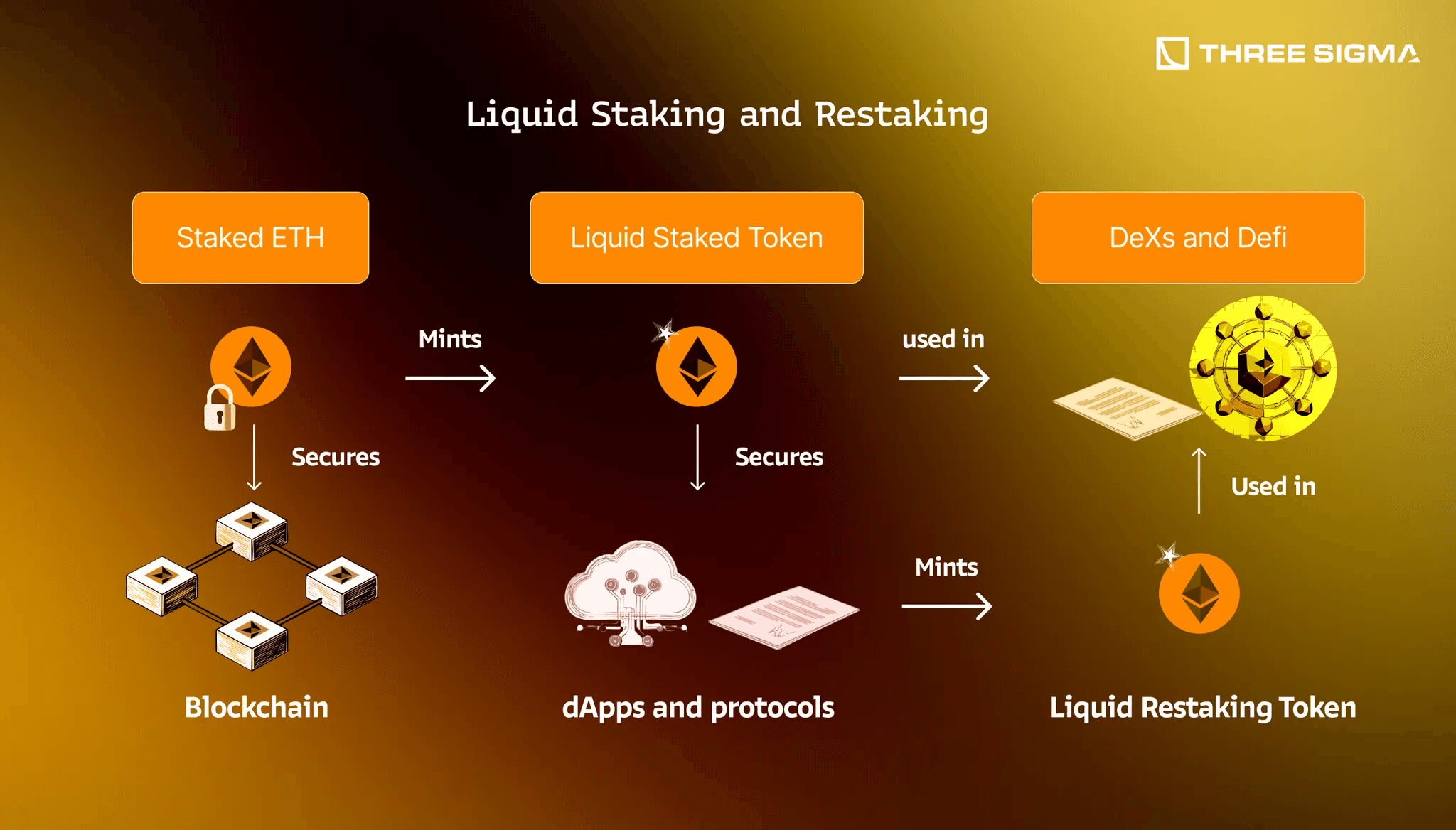
Once deposited, you will receive a new token representing your restaked position. This LRT accrues yield from both the original staking rewards and the restaking rewards. Hold this token in a non-custodial wallet to maintain control. Monitor the token’s exchange rate against your underlying asset to track yield accumulation accurately.
Regularly check the protocol’s risk dashboard for any slashing events or smart contract updates. Restaking increases your exposure to slashing penalties if the underlying validators misbehave. Set up alerts for protocol announcements and consider diversifying across multiple LRTs to mitigate single-point failures. If a protocol’s risk metrics spike, consider withdrawing your funds to preserve capital.
Fix common mistakes
Restaking Derivatives troubleshooting should start with a clear boundary: what is actually broken, and what still works normally. Check the display, network connection, paired devices, app access, and recent updates before assuming the whole system needs a reset. A small connection failure can make the main screen feel unreliable even when the core system is fine. Work from low-risk checks to deeper resets. Confirm power state, safe parking, account access, and signal first. Then restart the interface, wait for it to reload completely, and test the original symptom. Avoid changing multiple settings at once because that makes it harder to know which step actually fixed the problem. If the issue affects safety information, repeats after every restart, or appears with warning messages, treat the reset as a temporary diagnostic step rather than the final fix. Document the symptom and move to official support instead of stacking more DIY attempts.
The simplest way to use this section is to keep the setup small, verify each change, and record the stable configuration before adding optional accessories.
No comments yet. Be the first to share your thoughts!