
Choose your restaking path
Selecting the right entry method for restaking derivatives depends on your comfort with smart contract risk and your need for liquidity. You generally have two distinct paths: native restaking through a specific protocol or using Liquid Restaking Tokens (LRTs) that wrap your stake.
Native restaking involves interacting directly with a single protocol, such as EigenLayer or Ether.fi. This approach often provides higher base yields because you cut out the intermediary layer that LRTs add. However, it requires more active management. You must handle the initial deposit, monitor the specific slasher conditions for that protocol, and manage the resulting restaked asset manually. This is the preferred route for users who want maximum yield efficiency and are comfortable holding the resulting tokens.
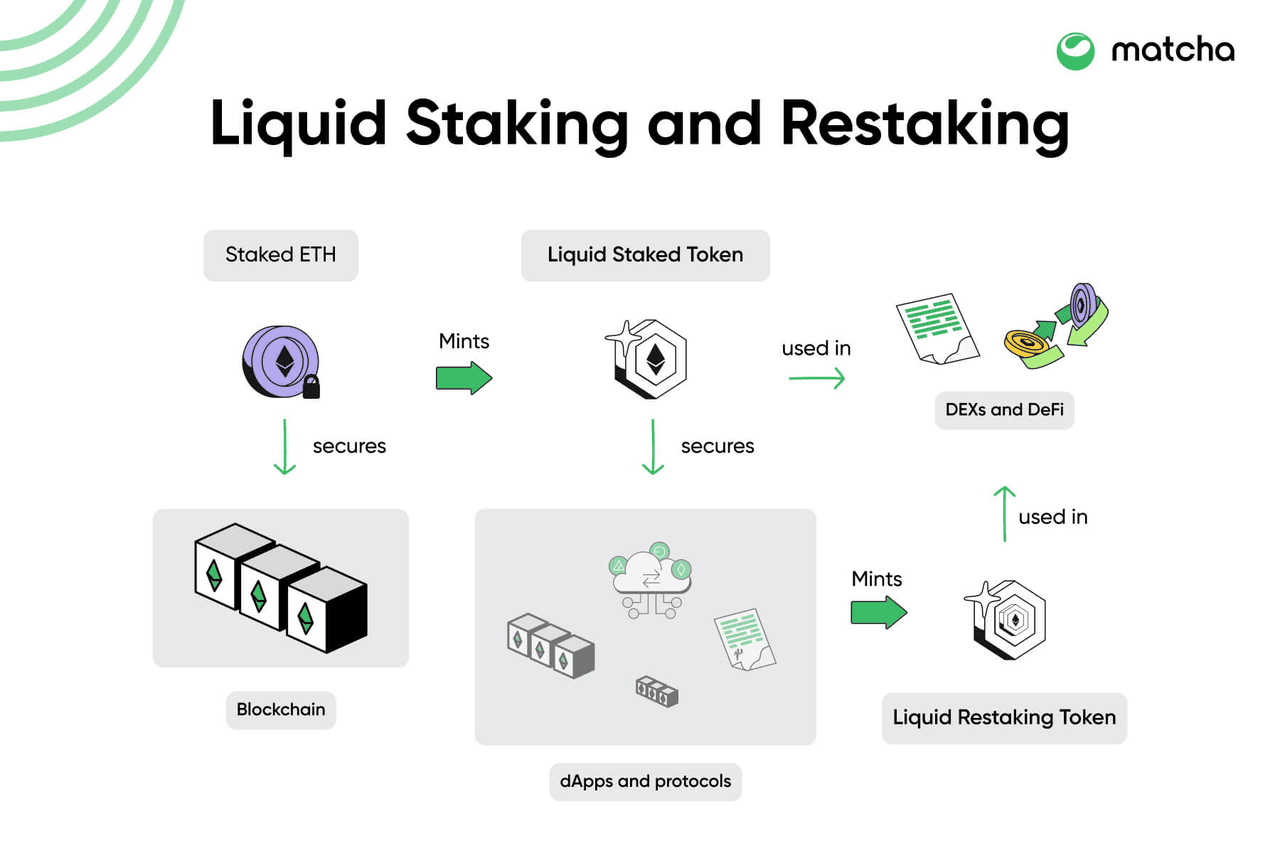
Liquid Restaking Tokens (LRTs) offer a more streamlined experience by automatically distributing your staked assets across multiple restaking protocols. When you deposit ETH into an LRT provider, they handle the complexity of securing multiple networks. In return, you receive a token that represents your share of the pooled stake. This method simplifies yield aggregation and often provides better composability within the broader DeFi ecosystem, as the LRT can be used as collateral elsewhere. The trade-off is a slight reduction in raw yield due to protocol fees and the added complexity of the wrapper contract.
| Feature | Native Restaking | Liquid Restaking Token |
|---|---|---|
| Custody | Direct to protocol | Wrapped token |
| Yield Potential | Higher (no intermediary fees) | Slightly lower (aggregated fees) |
| Liquidity | Locked until unstaking | Tradeable on DEXs |
| Complexity | Manual management required | Automated distribution |
| Risk Exposure | Single protocol slasher risk | Multi-protocol slasher risk |
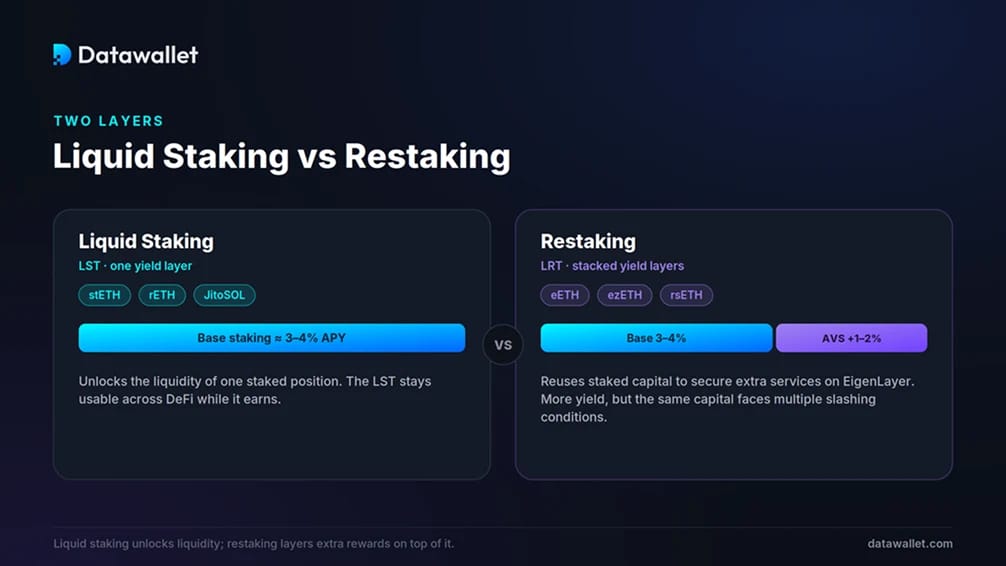
Consider your risk tolerance carefully. Native restaking concentrates your risk on one protocol’s security model. If that protocol is slashed, you lose funds directly. LRTs spread this risk across multiple networks, which can mitigate exposure to a single point of failure, but they introduce additional smart contract risk from the wrapper itself. Choose the path that aligns with your ability to monitor and manage these technical risks.
Execute the restaking transaction
Before sending any assets, ensure your wallet is configured for the specific chain and bridge required by your chosen protocol. Restaking derivatives like EigenLayer or KelpDAO often operate on Ethereum or via cross-chain bridges, meaning standard mainnet transfers may fail or incur unexpected gas spikes.
-
Connect your wallet to the official protocol dashboard. Verify the URL matches the project’s verified documentation to avoid phishing sites. Check that your wallet network is set to the correct chain (e.g., Ethereum Mainnet, Arbitrum, or Base).
-
Approve the token spend. If you are restaking an LST like stETH or rETH, you must first approve the restaking contract to spend your tokens. This is a one-time allowance transaction. Review the approval amount carefully; using "unlimited" approval is common but carries higher risk if the contract is compromised.
-
Deposit your assets. Enter the amount of ETH or LST you wish to restake. The interface will display the expected yield rate and the locking period. Confirm the transaction details, including the gas fee, and sign the transaction. Wait for the block confirmation before proceeding.
-
Receive your restaking derivative. Once the transaction is confirmed, the protocol will mint a receipt token (e.g., eETH or rsETH) to your wallet. This token represents your restaked position and can often be used in other DeFi protocols for additional yield.
Monitor slashing and smart contract risk
Restaking amplifies yield by sharing security across networks, but it also concentrates risk. A failure in one protocol or a slashing event on the underlying Ethereum chain can impact all restaked positions simultaneously. You must actively monitor these risks rather than assuming your yield is guaranteed.
Track slashing events
Slashing occurs when a validator node violates consensus rules, resulting in the loss of staked ETH. In restaking, this risk is compounded because your ETH is securing multiple services. If any of those services suffer a breach or if your validator behaves incorrectly, the penalty applies to your total restaked balance.
Use official Ethereum beacon chain explorers to track real-time slashing incidents. Look for validators with "slashed" status and review the specific reason for the penalty. This data helps you assess the health of the validators securing your restaked assets.
Note: Slashing events are rare but catastrophic. A single event can wipe out a significant portion of your restaking yield or principal. Always verify the slashing history of the protocol you are using.
Audit smart contract vulnerabilities
Restaking protocols rely on complex smart contracts to manage liquidity and security. These contracts are vulnerable to bugs, exploits, or design flaws. An exploit in a major restaking protocol can lead to the loss of all deposited assets.
Before restaking, review the audit reports from reputable security firms. Check if the protocol has undergone multiple audits and if any critical vulnerabilities were found and fixed. Look for bug bounty programs, which indicate that the protocol is actively seeking to identify and patch security issues.
Monitor on-chain activity for unusual patterns, such as large withdrawals or contract interactions that deviate from standard operations. If you notice suspicious activity, consider withdrawing your assets immediately to minimize potential losses.
Manage your yield and exit strategy
Harvesting yield from restaking derivatives requires active management. You are not just holding a token; you are managing a complex position that spans multiple layers of security and liquidity. To protect your capital, you need a clear plan for when and how to exit.
Don’t leave rewards compounding indefinitely without review. Set a schedule to harvest yields. This lets you rebalance into other assets or cover gas costs. Regular harvesting prevents yield from becoming a false sense of security if the underlying asset price drops.

Restaking involves multiple protocols. If one protocol’s risk profile changes or yields drop significantly, move your capital. Don’t let one position dominate your portfolio. Rebalancing ensures your risk exposure matches your current market view.
Most restaking protocols have a withdrawal queue. This can take days or weeks. If you need liquidity quickly, your assets might be locked. Always check the current queue length before you decide to exit. Plan your cash needs around these delays.
Don’t panic-sell during a market crash if liquidity is thin. Wait for a period of higher trading volume. This ensures you get a fair price for your derivatives. Exiting when others are also fleeing can lead to significant slippage.
No comments yet. Be the first to share your thoughts!