
Restaking derivatives 2026: What to expect
Restaking derivatives 2026 are shifting from experimental yield hacks to a core infrastructure layer for Ethereum and cross-chain security. With EigenLayer V2 rolling out, the market is moving past the early "free money" phase into a more structured, though still complex, ecosystem. You are no longer just earning base staking rewards; you are actively selling security to protocols that need it.
The 2026 landscape is defined by liquid restaking tokens (LRTs) like Ether.fi, Renzo, and Kelp. These tokens let you stake ETH and simultaneously restake it across multiple Actively Validated Services (AVSs). The yield is no longer a single stream but a bundle of rewards from various services, minus the risk of slashing events. This complexity is the main tradeoff: higher potential APY comes with the need to monitor smart contract risk and validator performance closely.
| Protocol | Primary Focus | Risk Profile |
|---|---|---|
| Ether.fi | Multi-protocol AVS exposure | Moderate-High |
| Renzo | Automated restaking strategies | Moderate |
| Kelp | Liquid restaking with insurance | Low-Moderate |
For most users, the decision isn't whether to restake, but which LRT aligns with their risk tolerance. If you want passive income with minimal management, automated strategies like Renzo may suit you. If you are comfortable auditing AVS contracts and managing validator keys, direct exposure through Ether.fi offers more granular control. The key is understanding that your ETH is now exposed to the failure modes of the services it secures, not just Ethereum's consensus layer.
Restaking derivatives 2026 choices that change the plan
Choosing a liquid restaking token (LRT) in 2026 requires weighing yield against risk exposure. The sector has matured from experimental protocols to a $13.45 billion market, but returns now vary significantly based on the underlying network and the specific risk layer you accept. Rather than chasing the highest nominal APY, you must evaluate how each protocol structures its rewards and what it does when slashing events occur.
Protocol Comparison
The following table compares three dominant LRTs based on current structural parameters. These figures reflect the divergence in yield composition and risk management strategies across the top tier of the market.
| Protocol | Primary Network | Yield Source | Slashing Protection | Liquidity Model |
|---|---|---|---|---|
| Ether.fi | Ethereum | ETH Staking + EigenLayer Points + MEV | Staked ETH only (non-staked ETH exposed) | eETH (native LRT) |
| Renzo | Ethereum | ETH Staking + Restaking Rewards + Points | Insurance Fund + Active Monitoring | ezETH (native LRT) |
| Kelp DAO | Ethereum | ETH Staking + RSETH Rewards | RSETH (restaked) vs ezETH (staked) separation | ezETH + RSETH (dual-token) |
Evaluating the choices that change the plan
Your choice should depend on whether you prioritize simple exposure or complex yield optimization. Ether.fi offers the most straightforward path for those who want native Ethereum exposure with added EigenLayer points, but its slashing risk is concentrated on the staked ETH layer. Renzo introduces a more robust risk management framework through its insurance fund, appealing to users who want to mitigate the catastrophic loss of principal during validator misbehavior.
Kelp DAO differentiates itself by splitting risk between ezETH and RSETH. This allows users to choose their risk profile explicitly: ezETH for pure staking rewards and RSETH for restaking yield. This separation is critical in 2026, as the complexity of restaking layers increases the potential for smart contract or slashing risks.
Market Context
The underlying asset prices and technical trends directly impact your entry point. Restaking derivatives are still heavily correlated with the primary staked asset, so monitoring the base network's performance is essential.
Decision Framework
If you are new to restaking, start with Ether.fi or Renzo for their larger liquidity pools and simpler interfaces. If you are an advanced user seeking to optimize yield while managing slashing risk, Kelp DAO’s dual-token model provides the necessary granularity. Always ensure you understand the specific slashing conditions for the protocol you choose, as these risks are not uniform across the ecosystem.
How to Choose a Restaking Strategy
The restaking derivatives market has shifted from experimental yield farming to a structured ecosystem of liquid restaking tokens (LRTs) and EigenLayer V2 infrastructure. Choosing between protocols like Ether.fi, Renzo, or Kelp depends on your tolerance for smart contract risk, slashing exposure, and yield stability.
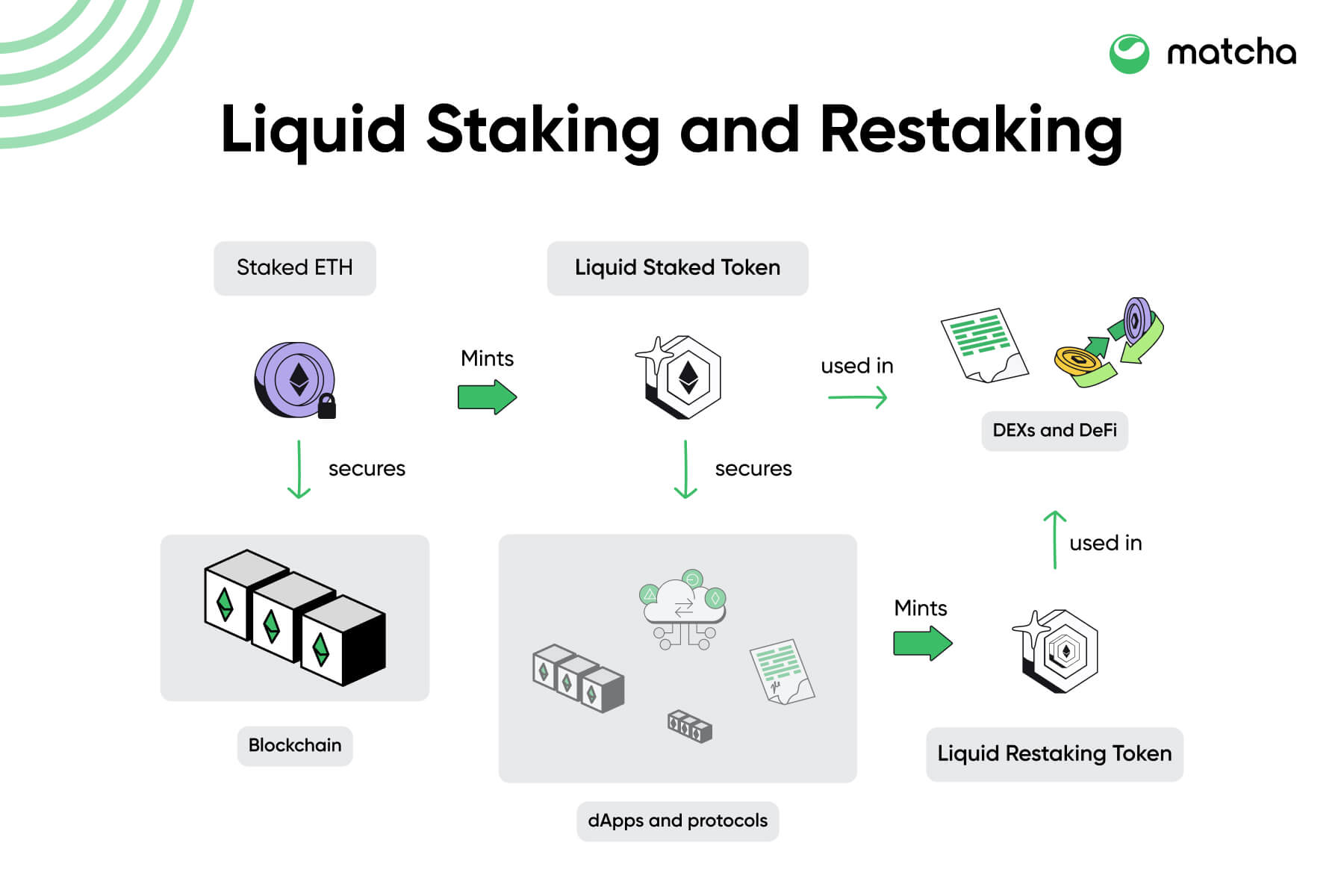
Determine if you prioritize yield maximization or capital preservation. LRTs like Ether.fi offer higher potential returns by exposing staked ETH to EigenLayer’s AVS (Actively Validated Services) network, but this introduces slashing risk. Conservative investors may prefer simpler LSTs with lower yield but minimal downside exposure.

Evaluate the specific features of top LRTs. Renzo focuses on automated rebalancing across multiple restaking strategies, while Kelp offers a more conservative approach with direct staking yields. Check the fee structures, governance models, and historical performance of each protocol to understand the trade-offs between complexity and returns.
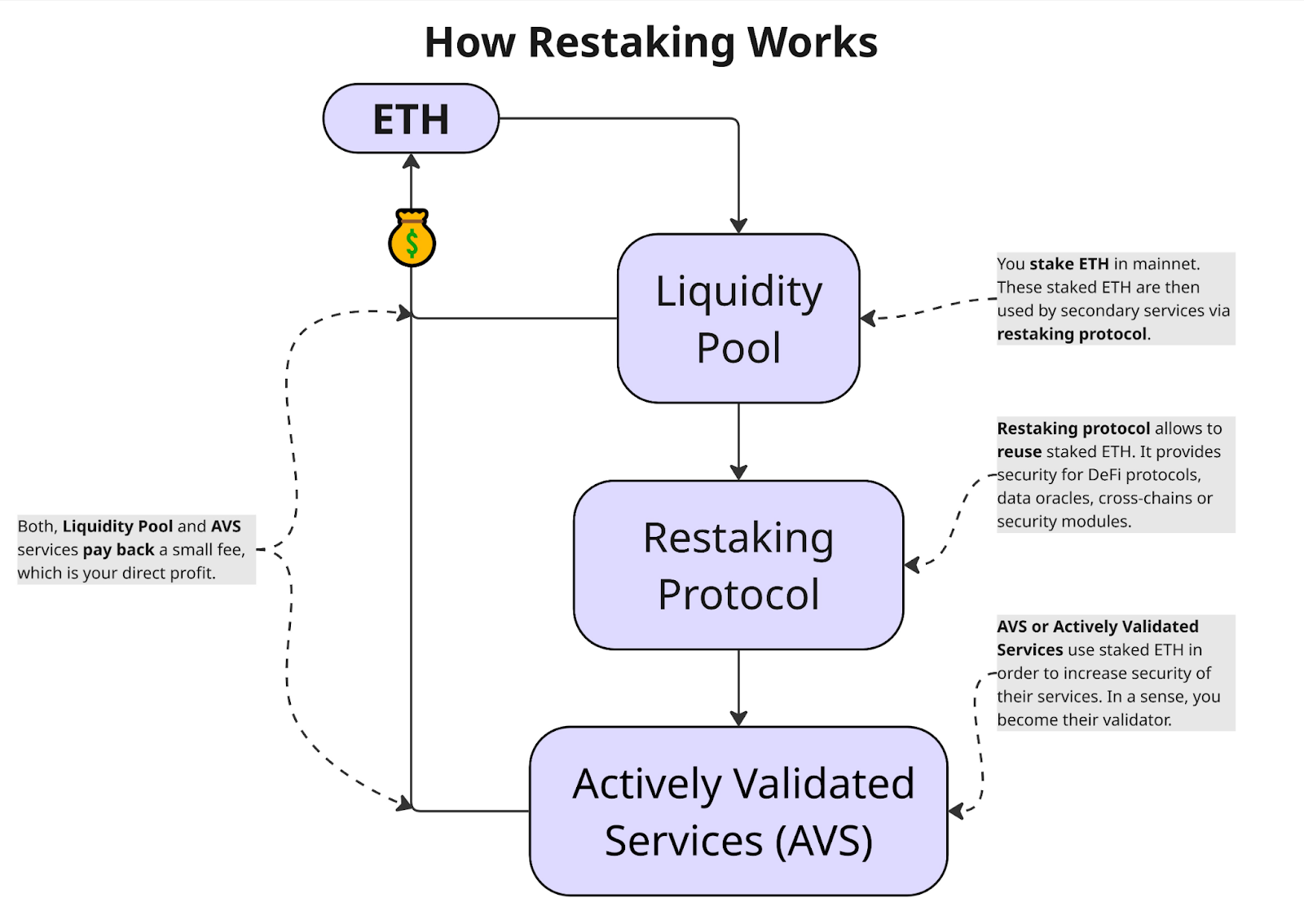
Slashing is the primary risk in restaking. Check if the protocol offers insurance funds or slashing protection mechanisms. Protocols that have integrated third-party insurance or have robust risk management frameworks are better suited for larger positions. Understanding the technical safeguards in place is critical for long-term holding.
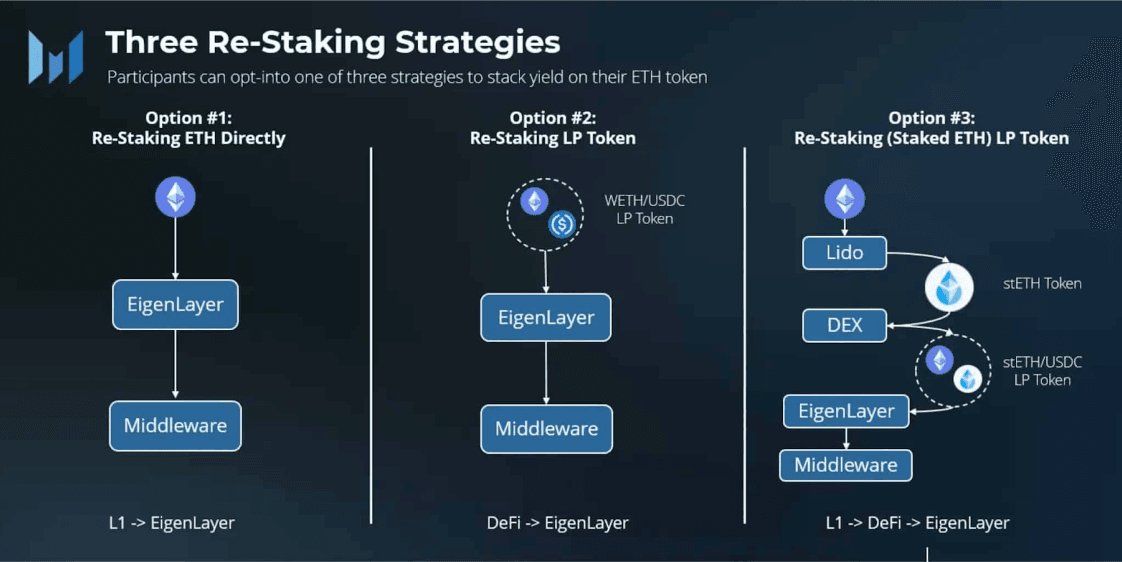
Ensure the LRT token you choose has sufficient liquidity on decentralized exchanges. Some LRTs may trade at a discount or premium to their underlying ETH value depending on market sentiment. Verify that you can exit your position quickly if market conditions change or if you need to access your capital for other opportunities.
| Protocol | Yield Source | Risk Level | Best For |
|---|---|---|---|
| Ether.fi | ETH + AVS | High | Yield maximizers |
| Renzo | ETH + Rebalancing | Medium | Automated strategies |
| Kelp | ETH Staking | Low | Conservative investors |
Spotting Weak Options and Misleading Claims
The 2026 restaking derivatives boom has attracted speculative capital, but it has also created a minefield of misleading claims. Not all Liquid Restaking Tokens (LRTs) offer the same risk profile or yield sustainability. Investors must look past marketing hype to identify weak options that lack robust security audits or transparent slashing mechanisms. This section highlights common pitfalls and how to distinguish genuine yield from unsustainable incentives.
The EigenLayer V2 Reality
EigenLayer V2 introduces more sophisticated restaking mechanisms, but it also complicates risk assessment. While the protocol aims to enhance security, the added complexity can obscure potential vulnerabilities. Investors should scrutinize the specific activeness conditions and ensure they understand the smart contract risks involved. Misleading claims often downplay the correlation between restaked assets and underlying network health.
Comparing Top LRT Providers
Evaluating the top Liquid Restaking Tokens requires a direct comparison of their fee structures, insurance funds, and technical infrastructure. Below is a comparison of three major providers based on current market data.
| Provider | Service Fee | Insurance Fund | Audit Status |
|---|---|---|---|
| Ether.fi | 10% | Yes | Audited |
| Renzo | 5% | Partial | Audited |
| Kelp | 8% | Yes | Audited |
Tradeoffs by Use Case
Different use cases demand different risk tolerances. For conservative investors, tokens with larger insurance funds and lower fees may be preferable, even if the yield is slightly lower. Aggressive traders might prioritize higher yields from protocols with innovative but less proven mechanisms. Always assess the liquidity depth of the LRT; weak options often suffer from poor liquidity during market stress, leading to significant slippage.
Making the Decision
When choosing an LRT, prioritize transparency and security over headline yield. Verify that the protocol has undergone rigorous audits and has a clear plan for handling slashing events. Avoid protocols that promise unusually high returns without explaining the underlying risk. The 2026 landscape rewards due diligence; those who spot weak options early will plan around the boom with greater confidence.
Restaking derivatives 2026: what to check next
Restaking derivatives have grown from a niche experiment into a $13.45 billion sector by early 2026, offering yield that is significantly higher than traditional staking. However, this yield comes with complexity and specific risks that differ from standard liquid staking tokens (LSTs). Here are the most common practical questions about entering the market now.
These derivatives are redefining yield, but they require active management. Understanding the trade-offs between yield and security is essential before allocating capital.
No comments yet. Be the first to share your thoughts!