
Restaking derivatives in 2026: what actually works now
The landscape for restaking derivatives has shifted from speculative growth to structural utility. As of March 2026, the market distinguishes clearly between base staking yields and the "security premium" earned by providing additional validation services. Solo staking on Ethereum still offers approximately 2.8–3.2% base yield, but restaking protocols layer on extra returns by renting out decentralized trust to other networks.
For investors, the primary question is no longer just which token to buy, but which risk profile fits the current yield environment. The top liquid restaking tokens (LRTs) like Ether.fi, Renzo, and Kelp have matured their risk management frameworks, making direct comparison essential before deploying capital.
Liquid Restaking Token Comparison
| Protocol | Primary Focus | Risk Model | Typical Yield Driver |
|---|---|---|---|
| Ether.fi | Multi-chain LRT | Validator diversification | Base staking + dETH premiums |
| Renzo | Cross-chain liquidity | Automated strategy routing | Active yield farming + restaking |
| Kelp | Institutional grade | Conservative delegation | Stable base yield + occasional boosts |
Risk and yield choices that change the plan
Choosing a restaking derivative requires balancing liquidity against yield potential. Higher yields often come with longer lock-up periods or exposure to smart contract risks across multiple chains. Evaluate each protocol's slashing protection mechanisms and historical performance during market volatility.
Decision Guide
- Conservative investors: Stick to established LRTs with proven track records and lower risk profiles.
- Yield maximizers: Consider multi-strategy platforms that actively optimize returns across different networks.
- Liquidity seekers: Prioritize tokens with deep pools and easy exit options, even if yields are slightly lower.
Price Action
Restaking derivatives 2026 choices that change the plan
Choosing a liquid restaking token (LRT) in 2026 requires balancing yield against structural risk. The sector now holds over $13.45 billion in total value locked, generating significant revenue, but the underlying mechanics vary by protocol [src-4]. You must evaluate how each protocol layers security premiums on top of base Ethereum staking yields [src-2]. The following comparison breaks down the concrete factors that determine which derivative fits your portfolio.
| Protocol | Yield Profile | Primary Risk | Liquidity Depth |
|---|---|---|---|
| Ether.fi | Base + Security Premium | Smart Contract Complexity | High |
| Renzo | Variable APY | Validator Slashing | Medium-High |
| Kelp | Stable Base Yield | Liquidity Fragmentation | Medium |
Evaluating the Security Premium
Restaking derivatives generate yield through two distinct layers. The first is the base yield from Ethereum solo staking, which currently sits between 2.8% and 3.2% [src-2]. The second is the "security premium," paid by protocols that use your restaked ETH to secure additional networks. This premium is variable and directly correlates with the demand for decentralized security services. If the demand for these services drops, your total yield can decrease significantly, even if the base staking rate remains stable.
Assessing Smart Contract and Slashing Risks
The complexity of restaking introduces new failure modes. Ether.fi and similar protocols often use multi-layered smart contracts to manage the delegation of assets. While this allows for sophisticated yield optimization, it increases the attack surface for exploits. Additionally, if the validators securing the restaked assets are slashed for malicious behavior, your principal may be reduced. Renzo and other protocols mitigate this by diversifying validator sets, but no amount of diversification eliminates the risk of systemic failure in the underlying Ethereum consensus layer.
Liquidity and Exit Strategies
Liquidity depth determines how easily you can exit a position without significant slippage. Ether.fi generally offers higher liquidity due to its early market entry and larger total value locked. Renzo and Kelp offer competitive yields but may face deeper order books during periods of market stress. If you anticipate needing to exit quickly, prioritize protocols with high trading volume on decentralized exchanges. Avoid locking assets in protocols with thin liquidity unless you are confident in the long-term yield stability.
Decision Framework
Select a restaking derivative based on your risk tolerance and yield expectations. If you prioritize maximum yield and can tolerate higher smart contract complexity, Ether.fi is a strong candidate. If you prefer a balance of yield and risk management, Renzo offers a diversified validator approach. For those seeking stability over aggressive growth, Kelp provides a more conservative yield profile. Always monitor the security premium rates and the health of the underlying validators to ensure your yield remains sustainable.
How to Choose the Right Restaking Strategy
Selecting a liquid restaking token (LRT) requires matching your yield goals with your risk tolerance. As of 2026, the landscape has shifted from pure speculation to a structural model where base Ethereum staking yields (2.8–3.2%) are supplemented by a "security premium" for providing extra network assurance.
To navigate this, follow this four-step framework to evaluate your position.
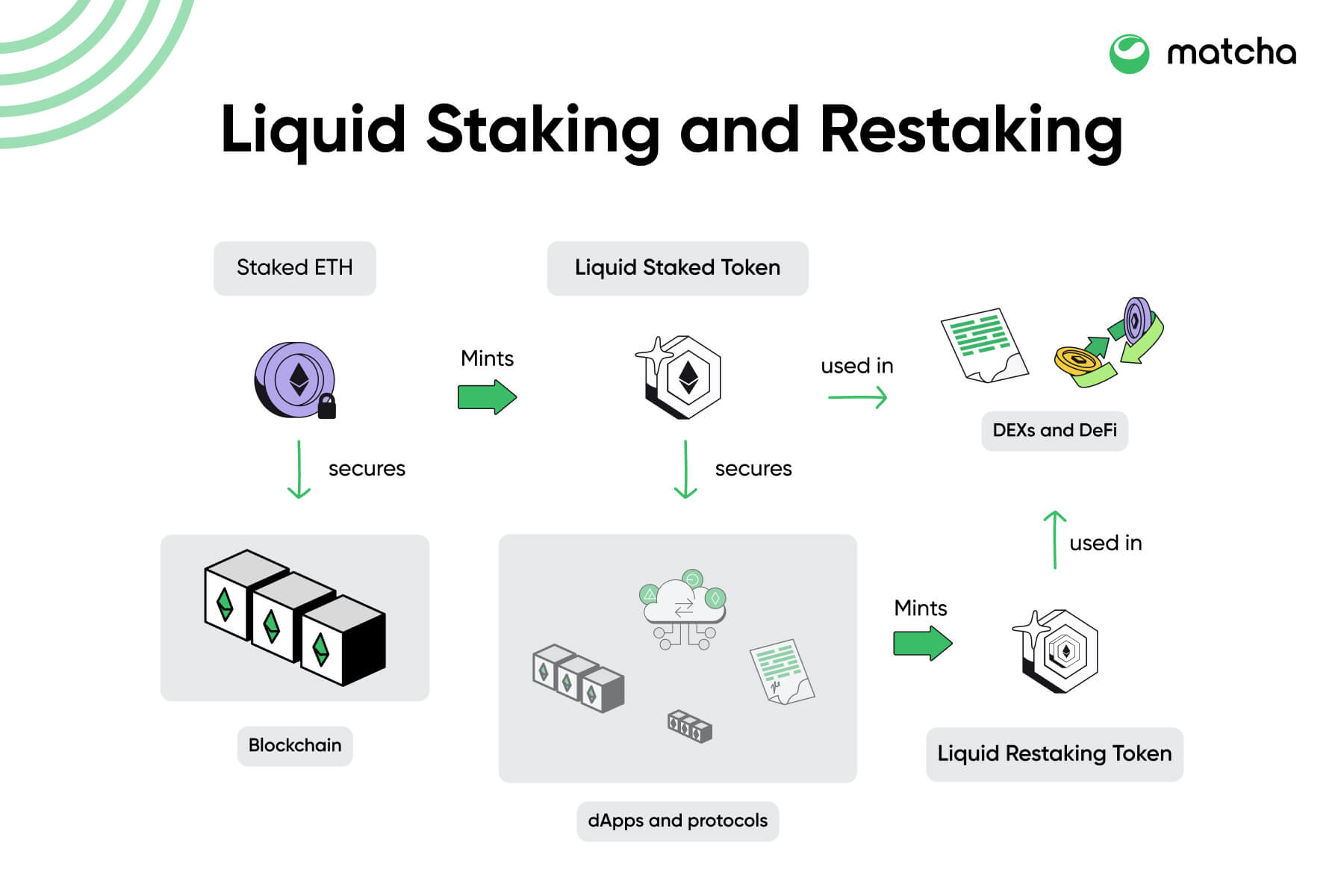
Start with the baseline. Solo staking Ethereum currently offers approximately 2.8–3.2% base yield. Any LRT strategy must clearly articulate how much additional yield it adds on top of this floor. If the "security premium" is negligible compared to the protocol fees, the strategy may not justify the added complexity.
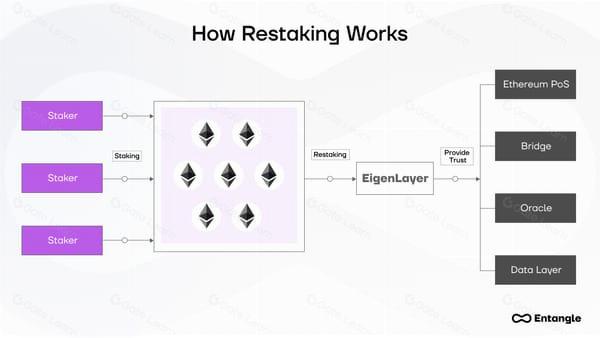
Use a comparison table to evaluate top providers like Ether.fi, Renzo, and Kelp DAO. Look beyond the advertised APY; focus on the net yield after protocol fees and the consistency of the security premium. Some protocols offer higher nominal yields but take larger cuts or rely on volatile incentive programs that may dry up.

Restaking amplifies your exposure. When you restake, you are securing multiple protocols simultaneously. If one of those downstream protocols gets slashed, your underlying staked ETH is at risk. Review the audit history of the LRT protocol and understand their insurance or slashing protection mechanisms before committing capital.
Ensure your LRT token is listed on major decentralized exchanges with sufficient depth. In a market downturn, you need the ability to exit your position quickly without significant slippage. Check the total value locked (TVL) trends and trading volume to gauge how easily you can convert your LRT back to ETH or stablecoins.
| Protocol | Net APY | Risk |
|---|---|---|
| Ether.fi | ~4.5% | Medium |
| Renzo | ~4.2% | Medium |
| Kelp DAO | ~4.0% | Low |
Spot the weak options and misleading claims
Not every liquid restaking token (LRT) offers genuine yield. The market is crowded with derivatives that promise high returns but deliver concentrated risk. You need to separate tokens with real economic activity from those relying on unsustainable incentive subsidies.
The liquidity illusion
Many LRTs trade at significant discounts to their underlying staked ETH value. This discount often reflects market fear of smart contract risk or slashing events. If an LRT trades 5% below its net asset value, the "yield" you see on the dashboard is likely just the price recovery, not actual protocol earnings.
Inflationary token emissions
Some protocols pay rewards in their own governance tokens rather than ETH. If the token supply inflates faster than the yield generated, you are effectively selling your principal to maintain your position. Always check the token emission schedule. If the protocol relies on continuous inflation to pay stakers, the model is fragile.
Single-point failure risks
Restaking amplifies exposure to underlying validator performance. If a restaking protocol delegates all assets to a single node operator, you are not diversified. A single slashing event can wipe out the value of your entire position. Look for protocols that distribute risk across multiple reputable operators.
Hidden fees and complexity
Some platforms charge withdrawal fees or lock your assets for extended periods. These constraints can trap your capital during market downturns. Always read the terms. A high yield is worthless if you cannot exit your position when you need to.
| Feature | Strong Option | Weak Option |
|---|---|---|
Restaking derivatives 2026: what to check next
Before committing capital to restaking protocols, it helps to separate the structural mechanics from the speculative noise. Restaking derivatives like LRTs (Liquid Restaking Tokens) allow you to reuse staked ETH to secure multiple networks, earning a "security premium" on top of the base 2.8–3.2% Ethereum yield. However, this efficiency comes with smart contract risk and slashing exposure that solo stakers avoid.
Below are the most common practical questions regarding liquidity, yields, and asset performance in the current market.
No comments yet. Be the first to share your thoughts!