
Restaking derivatives 2026 limits to account for
Use this section to make the The Restaking Derivatives Boom decision easier to compare in real life, not just on paper. Start with the reader's actual constraint, then separate must-have requirements from details that are merely nice to have. A practical choice should survive normal use, maintenance, timing, and budget. If a recommendation only works in an ideal situation, call that out plainly and give the reader a fallback path.
The simplest way to use this section is to write down the must-have criteria first, then compare each option against those criteria before weighing nice-to-have features.
Restaking derivatives 2026 choices that change the plan
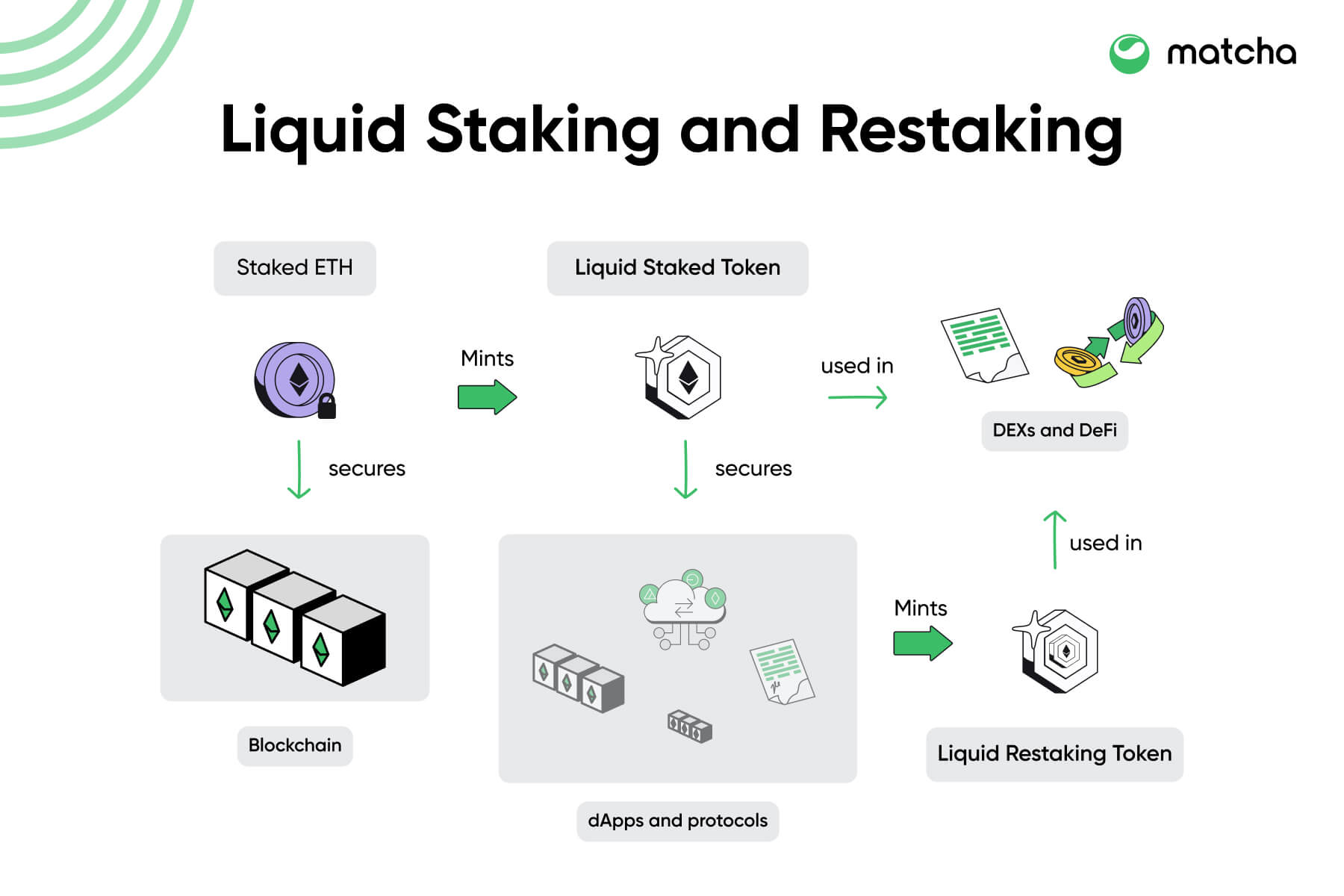
Liquid restaking tokens (LRTs) offer higher yields than standard staking, but they introduce a layer of smart contract risk and operational complexity that solo stakers avoid. Choosing an LRT in 2026 requires evaluating the security premium, the reliability of the restaking operator, and the liquidity of the token itself. The following comparison highlights the primary tradeoffs across the leading protocols.
| Protocol | Yield Source | Primary Risk | Liquidity |
|---|---|---|---|
| Ether.fi | ETH staking + EigenLayer points | Smart contract complexity | High |
| Renzo | ETH staking + Restaking incentives | Operator centralization | Medium |
| Kelp DAO | ETH staking + RSETH derivatives | Derivative depegging | Medium |
| Swell | ETH staking + Network rewards | Token inflation pressure | High |
The security premium is the main driver of LRT yields, but it is not guaranteed. Solo staking on Ethereum currently offers a base yield of approximately 2.8–3.2%, while restaking protocols add a variable "security premium" for providing extra validation services to other networks. This premium fluctuates based on demand from restaking protocols like EigenLayer, meaning yields can drop significantly if the market for extra security cools down.
Liquidity is another critical tradeoff. While most LRTs are tradeable, their value is tied to the underlying ETH price and the health of the restaking protocol. If a major restaking operator fails or if the smart contract is exploited, the LRT price can decouple from ETH. Solo stakers avoid this depegging risk entirely, but they sacrifice the ability to use their staked ETH in DeFi applications. The choice ultimately depends on whether you prioritize yield maximization or capital preservation.
Choose the Right Liquid Restaking Token
Liquid restaking tokens (LRTs) are not interchangeable. Each protocol structures its yield, risk exposure, and liquidity differently. Treating them as commodities leads to unintended risk concentration. You need to match the token to your specific goal.
Use this framework to decide which LRT fits your strategy. The comparison below outlines the core tradeoffs between the leading protocols in 2026.
1. Define Your Yield Priority
Start by identifying where you want your returns to come from. Ether.fi offers a straightforward dual-yield model: you earn standard Ethereum staking rewards plus additional rewards from restaking protocols like EigenLayer. This is ideal if you want to hold ETH and maximize yield without active management. Renzo, however, focuses on liquidity. Its EZ token is designed to be easily traded or used as collateral in DeFi, making it better for active traders who need flexibility.
2. Assess Your Risk Tolerance
LRTs introduce smart contract risk on top of validator slashing risk. If you are risk-averse, stick to protocols with longer track records and simpler codebases. Ether.fi has been operating longer than many competitors, providing more historical data on security. Renzo’s complexity comes from its dynamic yield optimization, which can outperform in bull markets but may underperform or face higher vulnerability during market stress. Kelp DAO targets institutional-grade security, which reduces retail-level risk but may limit accessibility for smaller portfolios.
3. Check Liquidity Needs
If you plan to use your staked assets in other DeFi protocols, liquidity is critical. Renzo’s EZ token is widely listed on major exchanges and integrated into lending platforms, offering high exit liquidity. Ether.fi’s eETH is also liquid but may have slightly higher slippage on large trades. Kelp’s rsETH is less liquid outside of specialized DeFi pools, making it a poorer choice for short-term strategies.
4. Make the Decision
Choose Ether.fi for "set it and forget it" yield. Choose Renzo for active DeFi participation. Choose Kelp for institutional-grade security. Do not diversify across all three unless you are managing a large portfolio and understand the overlapping risk exposures.
Avoid the weak options
Use this section to make the The Restaking Derivatives Boom decision easier to compare in real life, not just on paper. Start with the reader's actual constraint, then separate must-have requirements from details that are merely nice to have. A practical choice should survive normal use, maintenance, timing, and budget. If a recommendation only works in an ideal situation, call that out plainly and give the reader a fallback path.
The simplest way to use this section is to write down the must-have criteria first, then compare each option against those criteria before weighing nice-to-have features.
No comments yet. Be the first to share your thoughts!