
Get restaking derivatives 2026 right
Before you lock capital into liquid restaking tokens (LRTs), you need to verify that your setup can handle the specific risks of 2026. Restaking amplifies yield but also amplifies smart contract exposure. A single protocol failure can impact your entire position across multiple networks.
Start by confirming your wallet supports the specific LRTs you intend to use. Not all wallets integrate with every restaking protocol. Check that your interface displays real-time restaking rewards and slashing penalties. If your wallet does not show these details, you are flying blind.
Next, ensure you have enough native gas tokens for all chains involved. Restaking often requires transactions on Ethereum mainnet plus the secondary chains where the restaked assets are deployed. Running out of gas during a withdrawal or rebalancing event can freeze your assets for days.
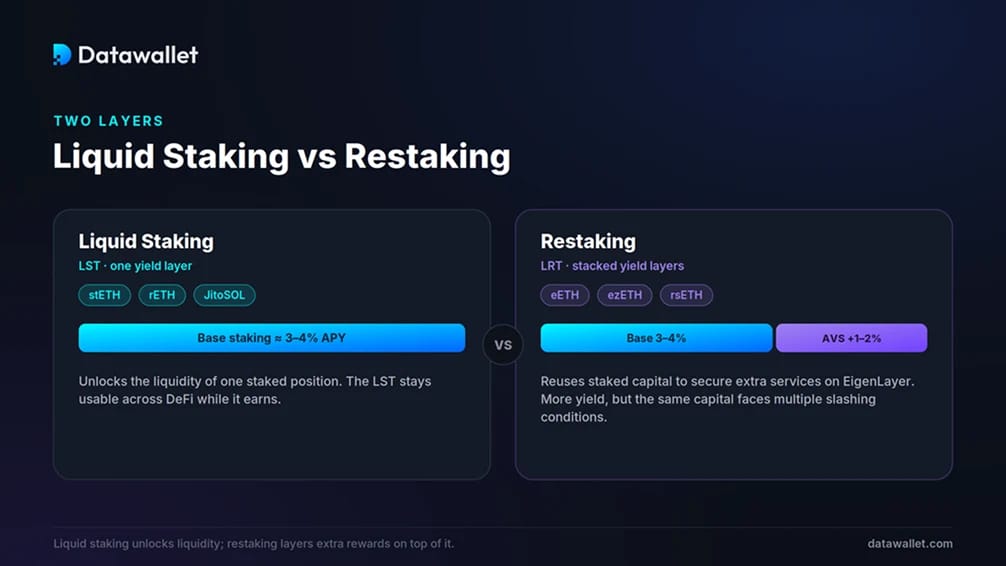
Finally, verify that you understand the difference between staking and restaking. Staking locks your assets for security and earns a base reward. Restaking takes those staked assets and re-uses them to secure additional networks, compounding your yield but increasing your risk profile. If you cannot explain this tradeoff simply, pause and research further before depositing.
Work through the steps
Restaking Derivatives works best as a clear sequence: define the constraint, compare the realistic options, test the tradeoff, and choose the path with the fewest hidden costs. That order keeps the advice usable instead of decorative. After each step, pause long enough to check whether the recommendation still fits the reader's actual situation. If it depends on perfect timing, unusual access, or a best-case budget, include a simpler fallback.
Common Restaking Mistakes and How to Avoid Them
Even with robust protocols, user error remains the leading cause of loss in restaking. Most failures stem from ignoring smart contract dependencies or mismanaging liquidity during volatility. Here are the specific errors that degrade yields or expose capital.
Ignoring Smart Contract Risk
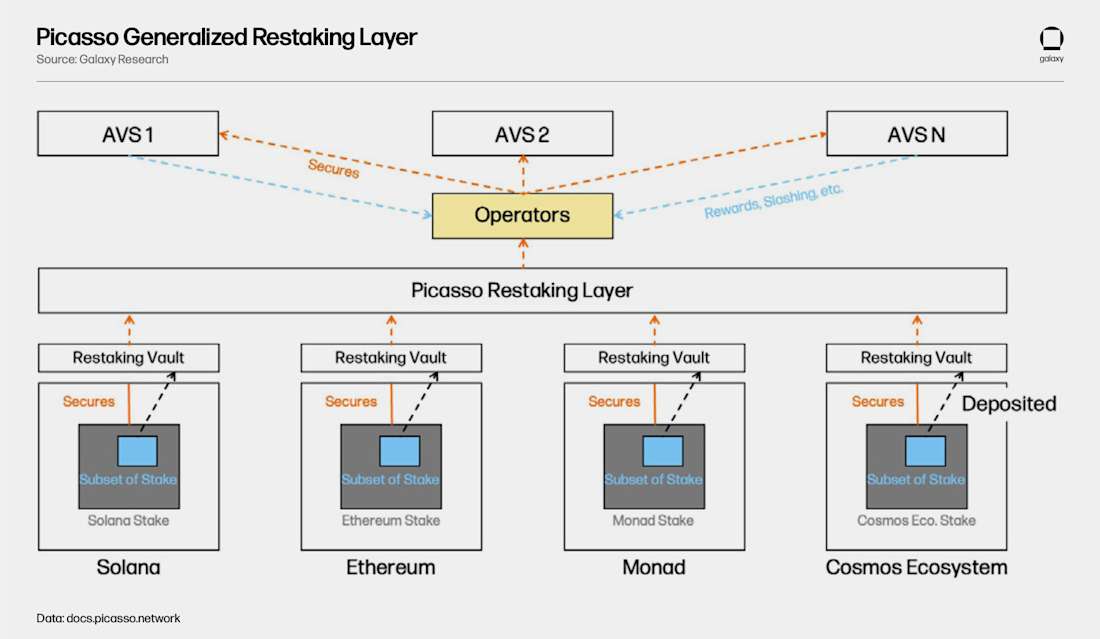
Restaking does not just secure Ethereum; it extends that security to other protocols. When you restake ETH, you are simultaneously exposing your assets to the smart contracts of every downstream protocol you support. If a downstream protocol like a lending market or an oracle gets exploited, your restaked ETH is often at risk. Many users focus only on the yield APR while overlooking the security audits of the secondary layers. Always check if the restaking provider has undergone independent audits and what their insurance funds cover. A higher yield often signals a less secure or less tested protocol.
Overleveraging Through LRTs
Liquid Restaking Tokens (LRTs) allow you to trade or use your staked assets in DeFi. This liquidity is useful, but it encourages overleveraging. Users often take their LRT, deposit it into a lending protocol, borrow against it, and then restake the borrowed funds again. This creates a fragile chain of debt. If the price of ETH drops or the LRT de-pegs slightly, you face liquidation across multiple layers. Keep leverage low. Treat LRTs as a storage medium for yield, not as collateral for aggressive borrowing strategies that amplify downside risk.
Neglecting Slashing Conditions
Slashing occurs when a validator node acts maliciously or goes offline, resulting in the loss of a portion of the staked ETH. While restaking protocols often have insurance mechanisms, they are not foolproof. If the insurance fund is depleted during a mass slashing event, you could lose principal. Check the protocol’s "slashing protection" metrics. Some providers offer full slashing protection for a fee, while others pass the risk to you. Understanding these terms is critical before committing capital for the long term.
No comments yet. Be the first to share your thoughts!