
Get restaking derivatives 2026 right
Start Restaking Derivatives with the constraint that matters most in real life: space, timing, budget, skill level, maintenance, or availability. That first constraint should shape the rest of the plan instead of appearing as an afterthought. Keep the first pass simple enough to verify. Compare the main options against the same criteria, remove choices that only work in ideal conditions, and save optional upgrades for later.
The simplest way to use this section is to write down the real constraint first, compare each option against it, and choose the path that still works outside ideal conditions.
Work through the steps
Restaking Derivatives works best as a clear sequence: define the constraint, compare the realistic options, test the tradeoff, and choose the path with the fewest hidden costs. That order keeps the advice usable instead of decorative. After each step, pause long enough to check whether the recommendation still fits the reader's actual situation. If it depends on perfect timing, unusual access, or a best-case budget, include a simpler fallback.
Common Mistakes in Restaking Derivatives
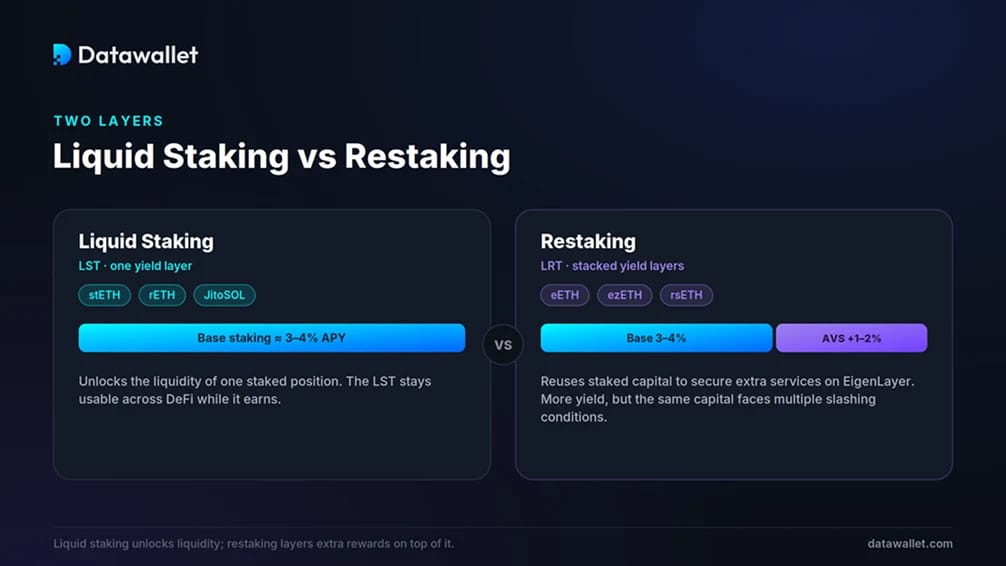
Liquid restaking tokens (LRTs) offer high yields, but they introduce complex layers of smart contract risk. Many users chase the "security premium" without understanding the underlying mechanics. This section outlines the most frequent errors that lead to capital loss or unexpected lockups.
Ignoring Smart Contract Risk
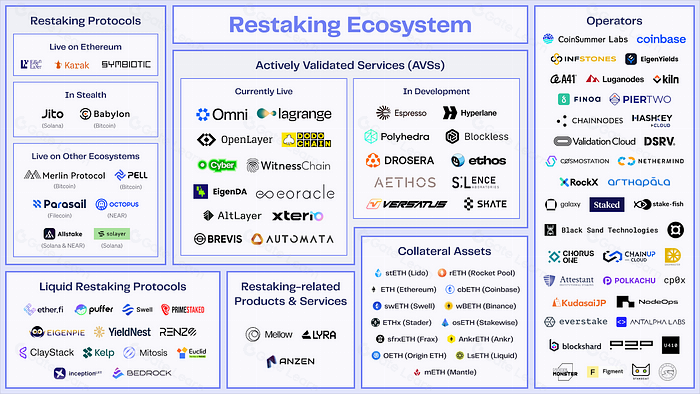
Restaking is not just staking; it is a multi-hop trust model. When you restake, you are often providing security to multiple protocols simultaneously. A vulnerability in any one of these downstream protocols can compromise your staked assets. Most users overlook the fact that their ETH is now exposed to the failure of the restaking layer, not just the Ethereum consensus layer. Always audit the contracts of the specific LRT provider and the EigenLayer AVSs (Actively Validated Services) you are supporting.
Overlooking Liquidity Traps
LRTs are designed to be liquid, but this liquidity is not guaranteed. During periods of high market stress or network congestion, the peg between the LRT and the underlying asset (e.g., stETH) can break. If you need to exit a position quickly, you may face significant slippage or be unable to sell at all. This is particularly true for newer or less widely adopted LRTs. Always check the depth of the liquidity pools on decentralized exchanges before committing capital.
Chasing Yield Without Understanding Fees
The headline APY of an LRT often includes performance fees, management fees, and potential rewards from various protocols. These fees can be complex and variable. Some protocols take a cut of the yield, while others charge upfront fees for minting. Additionally, the "security premium" mentioned in recent analyses is not static; it fluctuates based on network demand and risk perception. Failing to read the fine print can result in net yields that are significantly lower than advertised, or even negative after fees.
Neglecting Regulatory Uncertainty
The regulatory landscape for restaking is still evolving. In 2026, authorities are increasingly scrutinizing the classification of LRTs as securities. A sudden regulatory crackdown could impact the availability of certain LRTs or the ability to trade them on major exchanges. While this is hard to predict, maintaining a diversified approach and staying informed about regulatory developments is essential for long-term safety.
Restaking derivatives 2026: what to check next
Before committing capital to restaking derivatives, it helps to separate the noise from the mechanics. The sector has grown to over $13 billion in total value locked, but that scale brings specific risks regarding smart contract complexity and yield sustainability.
These answers address the practical objections readers face when evaluating whether restaking fits their portfolio strategy in 2026.
No comments yet. Be the first to share your thoughts!