
Restaking derivatives in 2026: what has changed
The landscape for restaking derivatives has shifted significantly by 2026. The core difference between solo staking, liquid staking, and restaking is no longer just about yield; it is about risk isolation and protocol interoperability. These models are not interchangeable, and choosing the wrong one can expose your capital to cascading failures across multiple networks.
Restaking allows you to reuse staked assets to secure additional networks, amplifying yield but also amplifying slashing risk. In 2026, the primary concern is not just the base Ethereum yield, but the smart contract risk of the Liquid Restaking Token (LRT) protocols themselves. The market has consolidated around a few major providers, making due diligence on their insurance funds and slashing protection mechanisms more critical than ever.
For most users, the decision comes down to liquidity needs versus yield optimization. Liquid staking derivatives (LSDs) offer flexibility for DeFi interactions, while restaking derivatives lock capital further to access higher, albeit riskier, returns. Understanding the tradeoffs is essential before deploying capital in this environment.
Restaking derivatives 2026 choices that change the plan
Choosing a restaking strategy in 2026 requires balancing yield potential against systemic risk. The landscape has shifted from simple staking to complex layers of liquid restaking tokens (LRTs) and liquid restaking tokens (LRTs) that expose capital to multiple protocols. While the potential for diversified yield from new L1s and L2s is high, the structural complexity introduces unique tradeoffs that vary by use case.
Liquidity vs. Lock-up
Liquid restaking derivatives solve the illiquidity problem of traditional staking. When you restake ETH, you typically receive an LRT that can be used in DeFi protocols for additional yield. This creates a leveraged yield opportunity but also exposes your underlying ETH to smart contract risk on the secondary layer. If the DeFi protocol fails, your staked ETH is at risk, even if the Ethereum consensus layer remains secure. Traditional solo staking offers no such liquidity but isolates risk to the base layer.
Smart Contract and Slashing Risk
Restaking amplifies slashing conditions. In standard staking, you are slashed only for Ethereum consensus violations. In restaking, you agree to validate additional workloads on other networks. If you violate the rules of any of those secondary networks, you can be slashed across all of them. The 2026 regulatory scrutiny facing liquid restaking also highlights the legal ambiguity of these multi-protocol commitments. Investors must evaluate the audit history and insurance funds of each restaking protocol they engage with.
Yield Composition and Volatility
Yield in 2026 is rarely just ETH. It often comes in the form of governance tokens or native tokens from the restacked networks. This introduces token volatility into your yield calculation. A high nominal yield might be offset by a 50% drop in the value of the reward token. Additionally, the concentration of restaking in a few dominant protocols can lead to correlated failures. Diversifying across multiple LRT providers can mitigate this, but it also increases management complexity.
| Feature | Solo Staking | Liquid Staking (LST) | Liquid Restaking (LRT) |
|---|---|---|---|
| Liquidity | None | High (tradable token) | High (tradable token + DeFi usable) |
| Slashing Risk | Ethereum only | Ethereum only | Ethereum + Secondary Networks |
| Yield Source | ETH rewards | ETH rewards + LST fees | ETH rewards + LST fees + Secondary yields |
| Complexity | Low | Medium | High |
| Regulatory Clarity | High | Medium | Low |
Decision Framework
If your primary goal is capital preservation and you are comfortable with long-term lock-ups, solo staking remains the safest option. For those seeking liquidity to participate in DeFi, liquid staking offers a balanced middle ground. Liquid restaking is best suited for advanced users who understand the multi-layered risk profile and are actively managing their exposure to secondary network slashing conditions and token volatility. The choice depends entirely on your risk tolerance and active management capacity.
How to choose the right restaking path
Restaking derivatives like LRTs are not interchangeable. Choosing the wrong model exposes you to unnecessary smart contract risk or illiquidity. Use this framework to match your capital to the right protocol.
1. Audit the protocol’s smart contract risk
Before depositing funds, check the audit history. Look for firms like OpenZeppelin or Trail of Bits. Check if the protocol has a bug bounty program. This is your first line of defense against hacks.
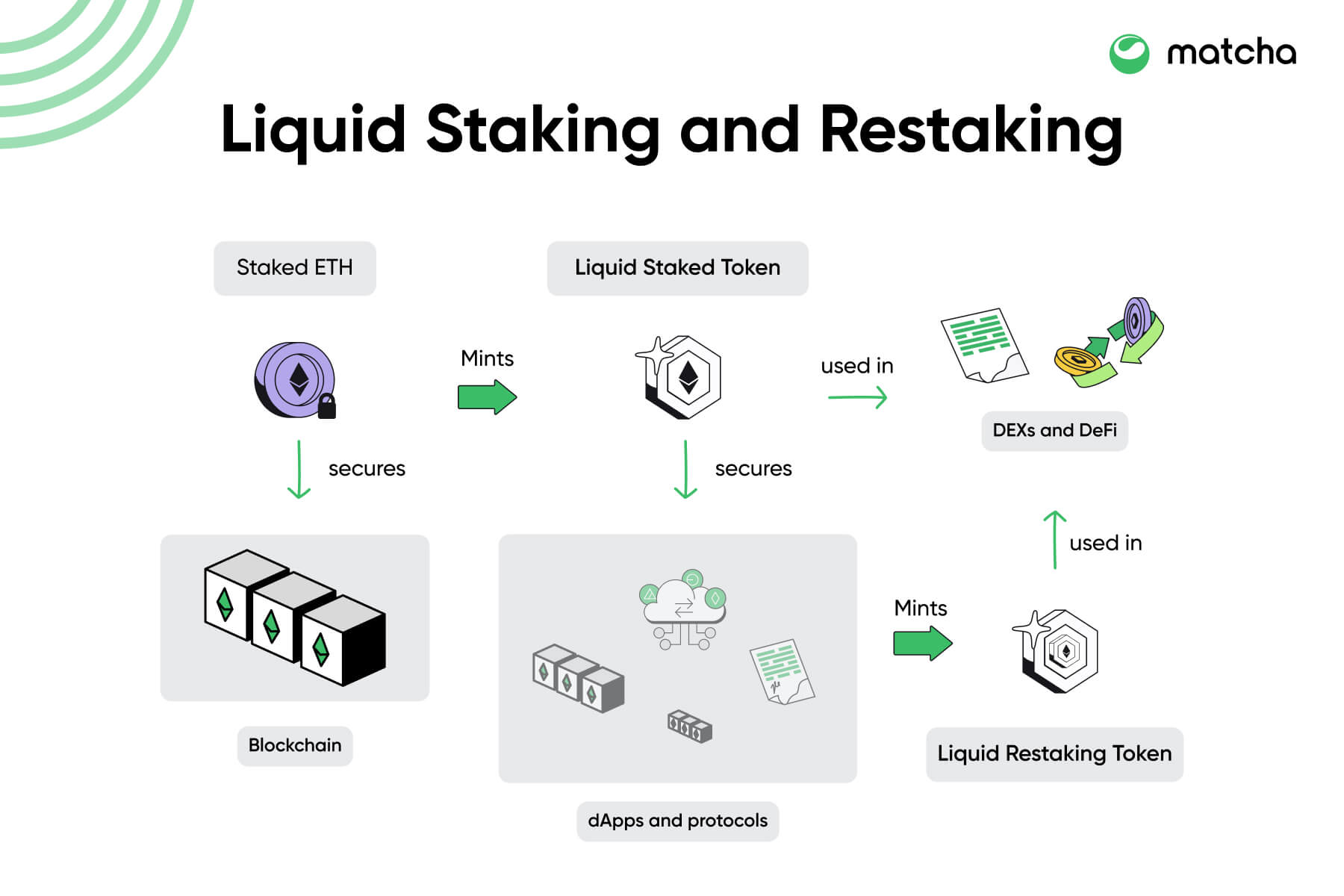
Check the protocol’s documentation for third-party audits. Prioritize protocols with multiple audits from reputable firms. Look for active bug bounty programs to ensure ongoing security monitoring.
2. Compare yield sources and sustainability
Not all yield is created equal. Some LRTs offer high yields by leveraging complex strategies that may not be sustainable. Compare the yield sources: is it from base staking rewards, restaking incentives, or trading fees? High yields often come with higher risks.
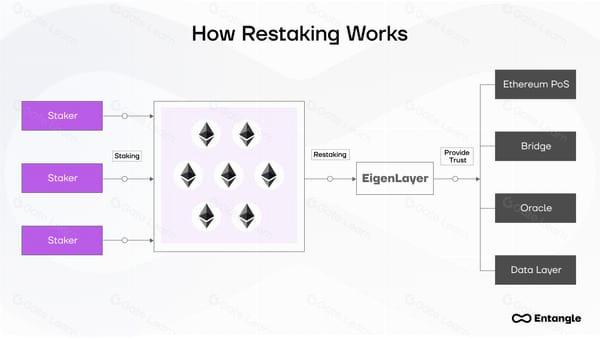
Break down where the yield comes from. Base staking rewards are generally more sustainable than volatile incentive tokens. Avoid protocols that rely heavily on short-term incentive programs for their APY.
3. Assess liquidity and exit options
Can you exit your position quickly? Some LRTs have lock-up periods or limited liquidity pools. Check the depth of the liquidity pool for your chosen LRT. Thin liquidity can lead to significant slippage when you want to sell.
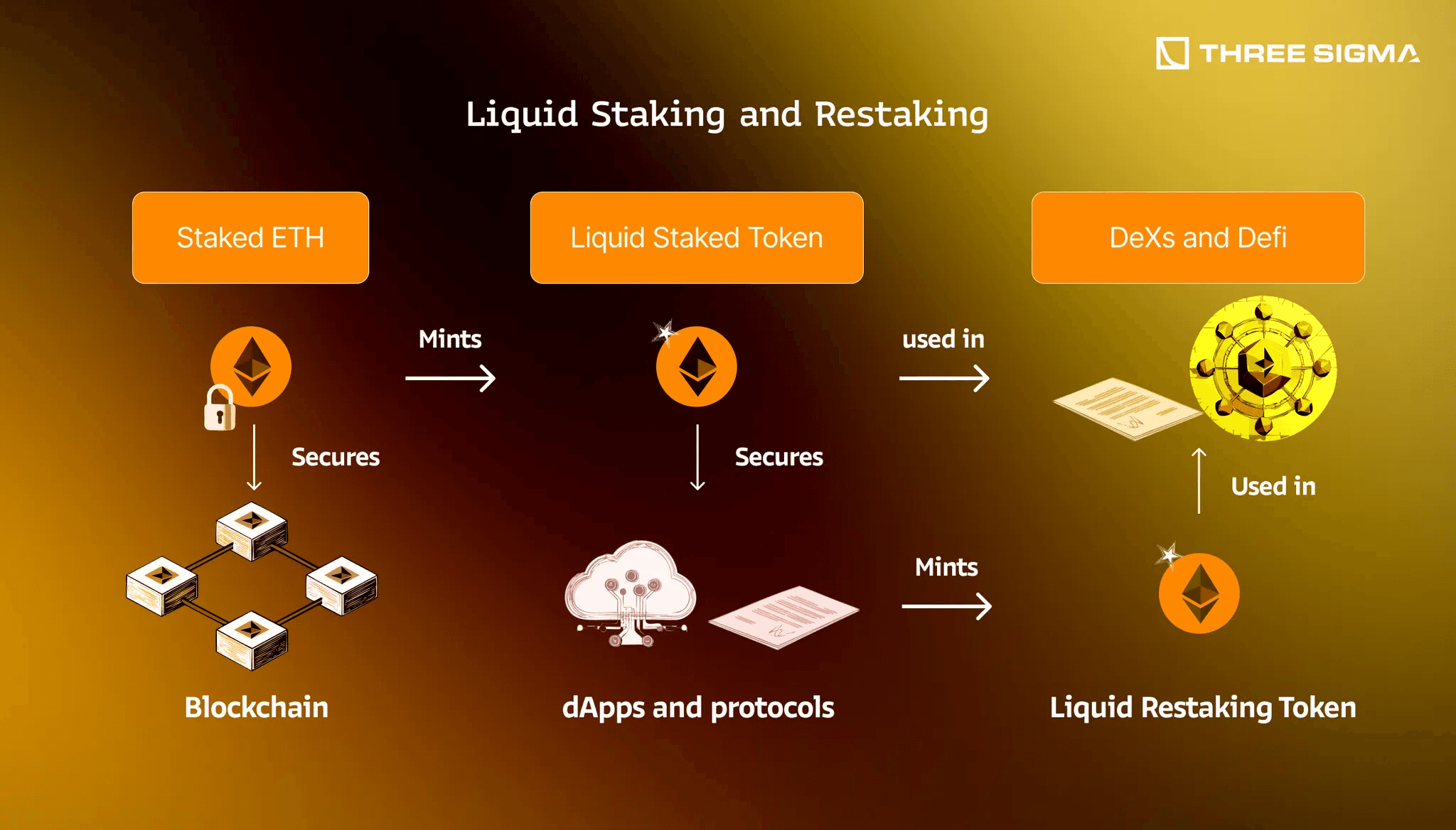
Review the liquidity depth on major DEXs. Ensure there is enough volume to exit your position without significant price impact. Avoid protocols with very small liquidity pools unless you are holding long-term.
4. Evaluate governance and voting power
Some LRTs offer governance tokens that give you voting power on protocol decisions. Consider if this aligns with your investment goals. Governance can be valuable but also introduces additional risks and complexity.
Determine if the LRT provides governance tokens. Assess the value of voting power versus the potential risks of participating in protocol decisions. Some protocols may require active participation to maintain rewards.
5. Diversify across multiple protocols
Don’t put all your capital into one LRT. Diversify across different protocols to spread risk. This approach can help mitigate the impact of a single protocol failure or hack.
Spread your capital across 2-3 different LRT protocols. This reduces your exposure to any single protocol’s smart contract risk or operational failure. Rebalance periodically to maintain your desired allocation.
Watchouts: Avoid the weak options
Not every restaking derivative offers real yield. Some protocols bundle simple staking rewards with inflated marketing, while others introduce hidden complexity that erodes returns through high fees or poor liquidity management. Identifying these weak options early prevents capital from being trapped in illiquid or underperforming positions.
1. Overstated APYs with No Underlying Demand
Many LRTs advertise double-digit APYs by layering multiple yield sources without transparent accounting. If a protocol claims yields significantly higher than the base Ethereum staking rate without clear revenue streams from restaking demand, treat it with skepticism. Verify that the extra yield comes from actual restaking activity, not just token emission incentives that will eventually dry up.
2. Illiquid Derivatives with High Slippage
Some restaking tokens suffer from thin order books, making it difficult to exit positions without significant price impact. This is particularly risky during market downturns when liquidity often dries up first. Check the depth of liquidity pools and the history of slippage during volatility spikes before committing capital to any LRT.
3. Complex Risk Stacking
Restaking amplifies exposure to smart contract risk. If a protocol restakes across multiple chains or protocols without proper risk segmentation, a failure in one layer can cascade. Look for protocols that clearly isolate risk and provide transparent slashing protection mechanisms. Avoid platforms that obscure their risk exposure through overly complex tokenomics.
4. Regulatory Uncertainty
The regulatory landscape for restaking remains unclear. Some protocols may face legal challenges that could restrict access or freeze assets. Stick to protocols with strong legal frameworks and transparent governance structures that can adapt to regulatory changes. Be wary of platforms operating in regulatory gray areas with no clear compliance strategy.
Restaking derivatives 2026: what to check next
Navigating liquid restaking tokens (LRTs) requires separating hype from mechanics. The ecosystem has matured, but the risks of smart contract complexity and regulatory scrutiny remain distinct from traditional staking.
The choice between solo staking, liquid staking, and restaking is no longer interchangeable. Each model offers different liquidity profiles and risk exposures that matter for your portfolio allocation.
No comments yet. Be the first to share your thoughts!